

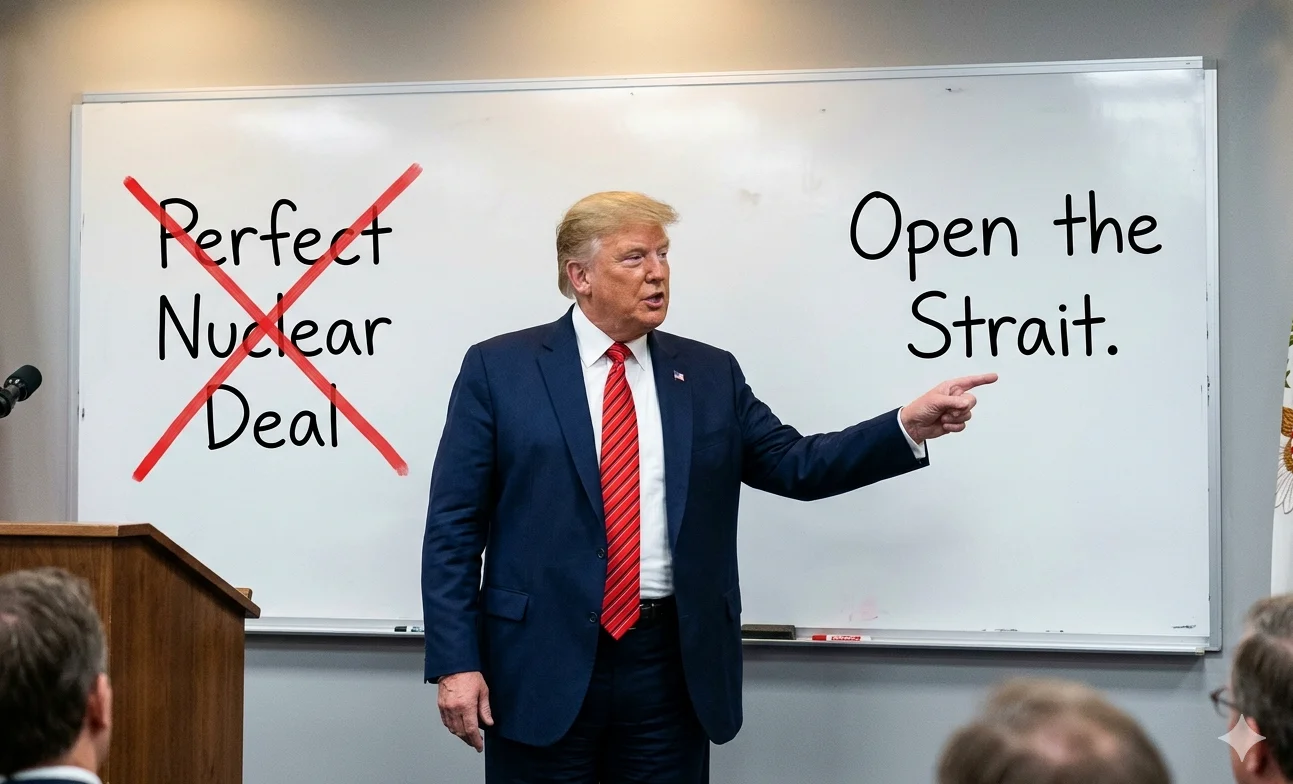
The Iranian soccer federation has alleged that FIFA has revoked ticket allocations for fans at the team’s three group-stage games in the United States, just days before the World Cup begins. According to the federation. This decision comes amid heightened tensions between Iran and the U.S., which launched military attacks on Iran on February 28, while Iranian soccer officials have also been denied visas to enter the U.S.
Ticket Allocation and Political Concerns
The Iranian soccer body claimed in a statement reported by semi-official state media that it is now unable to provide tickets to its supporters — each of the 48 World Cup teams is entitled to receive and distribute 8% of stadium capacity for its games. The federation accused the U.S. government of obstructing the presence of Iranian supporters at the stadiums, suggesting that political considerations are influencing the organization of the World Cup. “This incident raises serious questions about the influence of non-sporting and political considerations on the organization of the world’s biggest football event,” the federation stated.
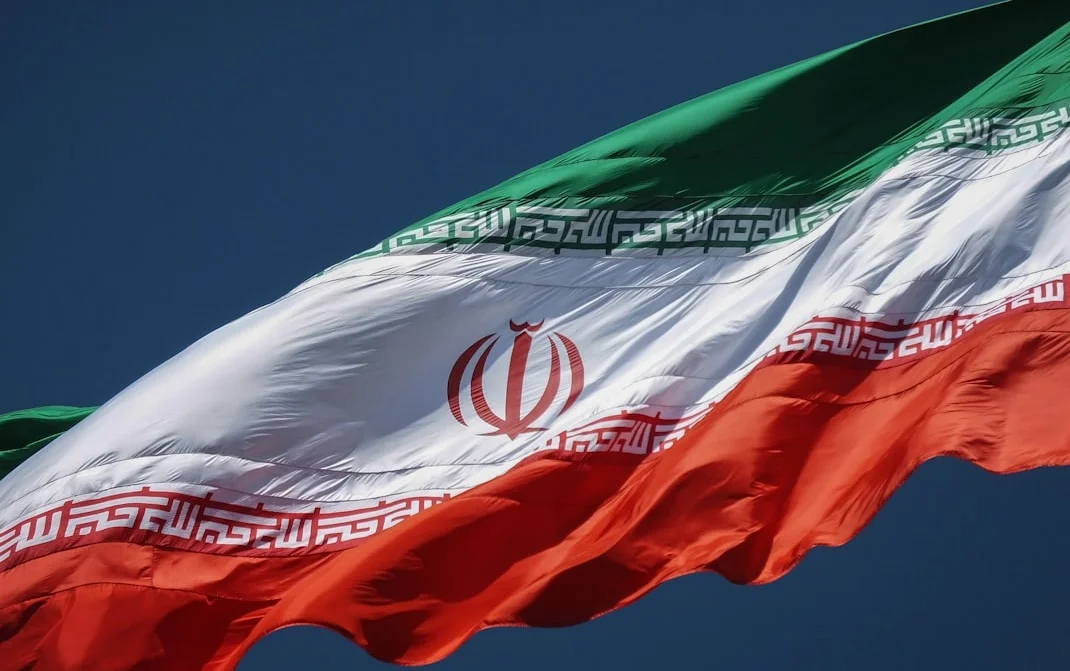
Adding to the controversy. Iran’s Sports Minister Ahmad Donjamali informed FIFA that the Iranian team would leave the field if political slogans were heard or if fans displayed the old Persian flag at matches. Two of Iran’s three group-stage games are in Los Angeles, where an estimated two million Iranians live — the old Persian flag, featuring a lion and sun emblem, is seen as a symbol of opposition to Iran’s Islamic government.
Protests and Diplomatic Tensions
Los Angeles. Often referred to as “Tehrangeles” or “Irangeles,” is a key hub for the Iranian diaspora in the U.S; the city will host two of Iran’s group-stage matches: against New Zealand on June 16 and against Belgium on June 21. The third group-stage game is in Seattle against Egypt on June 27 — the U.S.-Iran military conflict has further overshadowed Iran’s participation in the World Cup.
Donjamali warned that the team would walk off the field if political slogans were heard or if the old flag was displayed. The Iranian Football Federation has also asked FIFA to only allow the official flag of the Islamic Republic in stadiums. Observers are skeptical about the enforceability of such a ban, given the size of the Iranian diaspora in the U.S.
FIFA President and Political Remarks
Gianni Infantino, FIFA’s president, held a press conference in Mexico City ahead of the World Cup, where he addressed various issues, including his handling of the Iranian situation. He praised his actions regarding Iran but also urged calm in the case of a rejected referee. Infantino spoke for 33 minutes without addressing a technical issue with the event’s Wi-Fi that had been resolved shortly before he took the stage. During the press conference, a seat was left empty for French journalist Christophe Gleizes, who has been imprisoned in Algeria since May 2024. Infantino did not mention where he was being held, likely to avoid offending Algeria, one of the tournament’s host countries.
In his speech, Infantino emphasized the importance of focusing on football and downplayed other issues. However, his remarks were seen as controversial, especially in light of the political tensions surrounding Iran’s participation in the World Cup. Infantino also drew comparisons to his previous press conference in Doha before the 2022 World Cup, where he made a series of unusual statements about feeling like a Katarer, an Arab, an African, a homosexual, and a disabled person.
The U.S. government has imposed travel restrictions on Iranians, which have complicated the distribution of tickets. According to reports, Iranian fans were already subject to a travel ban when ticket sales began in December. The latest developments have raised concerns about the politicization of the World Cup and the potential impact on the tournament’s atmosphere.



Comments
No comments yet
Be the first to share your thoughts