

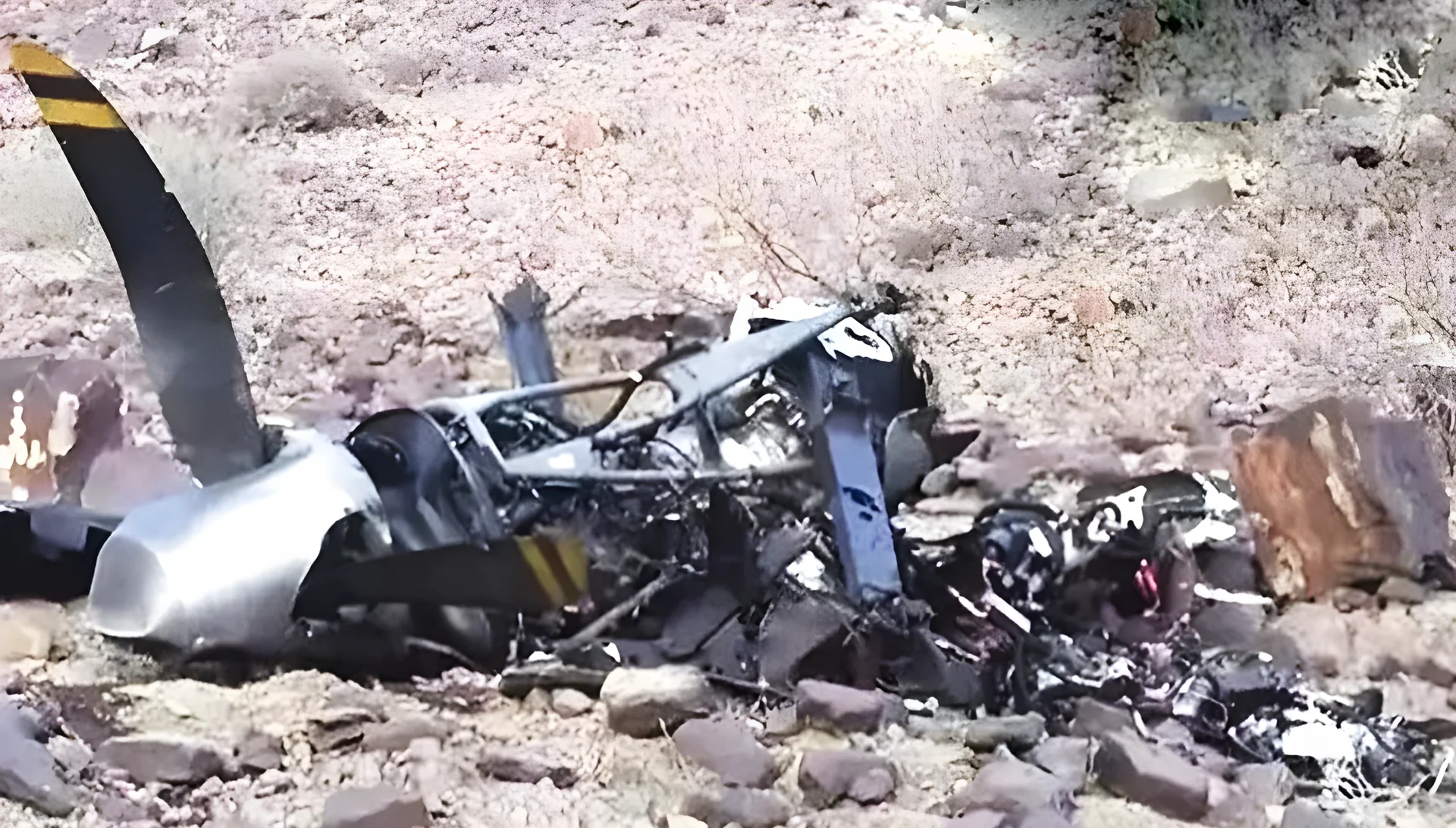
Iran’s military has confirmed the interception of 10 advanced enemy drones across multiple regions of the country, with the majority identified as Israeli-made Hermes models, according to an official statement released by the Iranian Army. The operation, carried out by Iran’s unified air defense network, took place over the past few hours and brought the total number of drones shot down by Iran in the past 48 hours to 22.
Regional Tensions Escalate with Drone Strikes
The announcement comes amid heightened tensions between Iran and Israel, with the downing of drones marking a direct response to potential threats from Israeli military activity in the region. According to Al-Alam TV, the drones were shot down in various locations, including Tehran, Khuzestan, Isfahan, and areas in the west and northwest of the country, as well as near the Fordow facility close to the holy city of Qom.
The Iranian Army’s statement emphasized the effectiveness of its air defense systems in countering sophisticated aerial threats. It noted that the operation was conducted smoothly by the unified air defense network, which has been under continuous development since 2019. The statement also highlighted that the drones targeted areas of strategic importance, including military and religious sites.
Significance of the Hermes Model
Among the drones intercepted, several were identified as Hermes, a model known for its advanced capabilities and used extensively by Israel in surveillance and strike operations. The Hermes model has been previously linked to Israeli military actions in the region, particularly in areas near Iran’s nuclear facilities.
According to analysts, the use of Hermes drones in this context suggests a potential Israeli involvement in recent aerial operations. The presence of these drones near sensitive locations, including the Fordow facility, raises concerns about the escalation of hostilities and the potential for further military confrontations.
The Iranian military’s statement did not explicitly name the source of the drones but referred to them as “advanced enemy drones of various types.” This wording has been used in previous military announcements, often following suspected Israeli or U.S.-backed drone operations in the region.
Impact on Regional Security and Diplomacy
The incident has the potential to further destabilize the already volatile security environment in the Middle East. With Iran and Israel engaged in a cycle of retaliatory actions, the downing of these drones could prompt a series of diplomatic and military responses.
The Iranian military’s statement came as part of a broader campaign to assert its defensive capabilities and deter potential aggressors. It follows a series of similar incidents in recent months, including the interception of drones in May 2024, which were also attributed to Israeli sources.
The U.S. and European allies have called for de-escalation, with officials warning of the risks of miscalculation in a region already on edge. According to a recent report from the International Institute for Strategic Studies (IISS), the number of drone-related incidents in the Middle East has increased by 40% since 2020, with Iran and Israel being the primary actors involved.
Iran’s military has been actively upgrading its air defense systems in recent years, including the deployment of the Bavar-373, a domestically produced long-range air defense system designed to counter advanced aerial threats. This development has been a key focus of Iran’s military modernization efforts, with the Bavar-373 being compared to the U.S. Patriot system.
With the recent downing of 10 drones, Iran has demonstrated the effectiveness of its air defense infrastructure, which has been tested in multiple scenarios over the past few years. The military’s statement emphasized that these operations are part of a larger strategy to protect national security and deter external aggression.
Analysts suggest that the incident could have implications for regional alliances and the broader geopolitical landscape. With tensions between Iran and Israel continuing to rise, the situation remains volatile, and the potential for further military confrontations remains a concern for neighboring countries and global powers alike.





Comments
No comments yet
Be the first to share your thoughts