


Regional Escalation and Political Fallout
Israeli Prime Minister Benjamin Netanyahu has claimed that his government ‘acted alone’ in the recent attacks on Iran’s energy infrastructure, according to CNN. This assertion has sparked debate among U.S. political figures, with reports indicating growing cracks within the Republican Party over the escalating costs of the conflict, as noted by CNN’s analysis. Meanwhile, U.S. President Donald Trump has drawn comparisons between the Iranian attack and the Pearl Harbor incident during a meeting with Japan’s Prime Minister Sanae Takaichi, as reported by the BBC.
Trump’s comments have raised concerns about potential retaliatory actions, with the BBC reporting that he threatened to ‘blow up the entirety’ of the major Iranian gas field if Iran attacks Qatar again. This rhetoric has added to the geopolitical tensions in the region, particularly with regards to the North Dome gas field, a critical energy hub shared between Iran and Qatar.
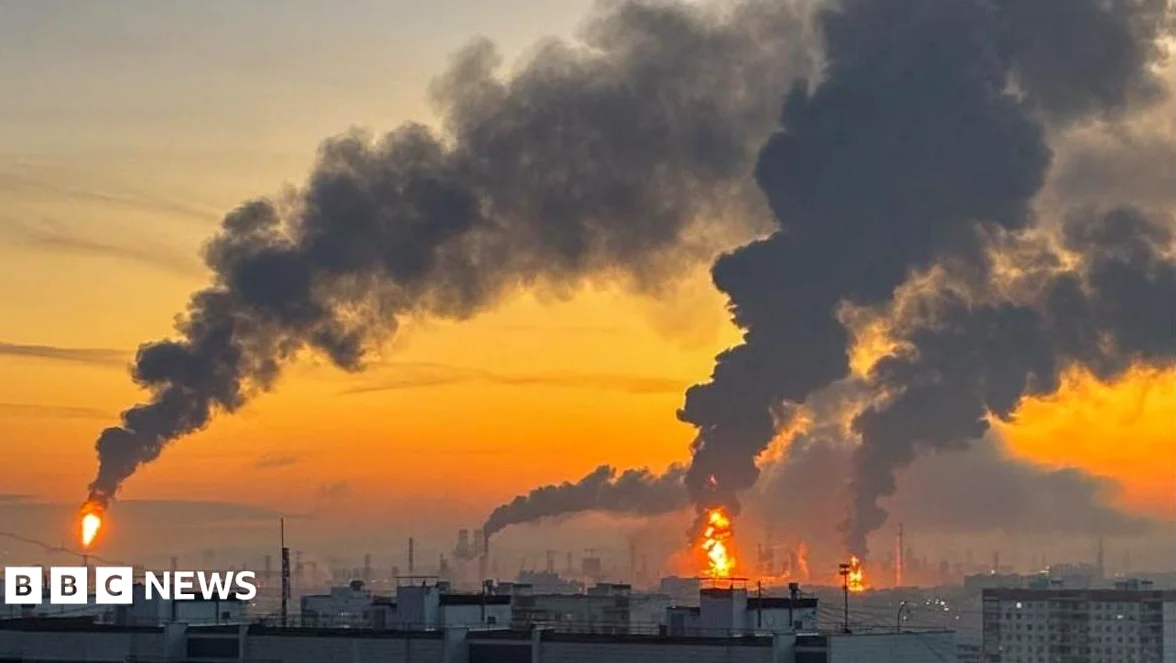
Iranian officials have not officially commented on the Israeli strikes, but the economic impact is evident. According to WirtschaftsWoche, the attack on the Ras Laffan field in Qatar, which is part of the North Dome complex, has caused a surge in oil prices to over $116 per barrel and gas prices to nearly 70 euros per megawatt-hour. These fluctuations have significant implications for both the energy markets and the global economy.
Economic Implications and Energy Market Volatility
The attacks have had immediate financial repercussions, with the New York Times reporting that oil prices have soared as a result of the strikes on Iran’s energy facilities. The U.S. Treasury Secretary has suggested lifting some sanctions on Iranian oil to help stabilize prices, a move that has been welcomed by some market analysts but criticized by others who fear it could encourage further aggression.
According to WirtschaftsWoche, the North Dome gas field’s disruption has affected not only the immediate region but also global supply chains, particularly in the chip manufacturing industry. The field’s role in supplying natural gas to power plants and industrial facilities has created a ripple effect across various sectors, leading to increased costs and potential shortages.
The European Union has been particularly affected, with tagesschau.de reporting that the attack has exacerbated existing energy crises in the region. The EU’s reliance on imported gas from the Middle East has made it vulnerable to such disruptions, leading to calls for increased investment in alternative energy sources and infrastructure resilience.
International Responses and Diplomatic Efforts
International reactions to the attacks have been varied. According to the BBC, Saudi Arabia and Bahrain have both confirmed that they have intercepted and destroyed drones, indicating a heightened state of alert in the region. These actions suggest that other Gulf states are preparing for potential escalations and are taking preemptive measures to protect their energy infrastructure.
Meanwhile, the U.S. has been engaging in diplomatic efforts to de-escalate the situation. Trump’s meeting with Japan’s PM highlighted the importance of maintaining strong alliances, as the U.S. seeks to counterbalance Iranian influence in the region. However, the lack of clear communication between U.S. and Israeli officials has raised questions about the coordination of military strategies.
German media, including tagesschau.de, have reported on the internal political challenges faced by European leaders, particularly in light of the ongoing conflict in Ukraine. The focus on the Middle East has diverted attention from the humanitarian crisis in Ukraine, where the European Union is grappling with its own energy and security challenges.
Local Impact and Humanitarian Concerns
The attacks on the North Dome gas field have not only affected economic and political landscapes but have also raised humanitarian concerns. As reported by WirtschaftsWoche, the disruption of energy supplies has led to increased costs for consumers, particularly in Europe where natural gas is a primary source of energy. This has put additional strain on households and businesses already struggling with inflation and economic uncertainty.
In the region, the impact on local populations is significant. According to tagesschau.de, the conflict has drawn attention away from the ongoing humanitarian crisis in Ukraine, where the need for humanitarian aid and military support remains urgent. The focus on the Middle East has left many in the European Union feeling that their concerns are being overlooked.
Additionally, the attacks have highlighted the vulnerability of critical infrastructure to military operations. The North Dome gas field’s strategic importance means that any damage to it could have far-reaching consequences, not only for the countries involved but also for the global energy market. This has led to increased calls for international cooperation to protect such vital resources.
Future Outlook and Strategic Considerations
As the situation unfolds, the future of the North Dome gas field and its implications for the global energy market remain uncertain. According to WirtschaftsWoche, the disruption of the field could lead to long-term changes in energy policies and investment strategies, particularly for countries that rely heavily on imported gas.
The U.S. and its allies will need to carefully balance military and diplomatic efforts to ensure that the conflict does not escalate further. The economic costs of prolonged instability in the region could be significant, affecting not only energy prices but also trade relations and global economic growth.
Moreover, the attacks have underscored the need for a more resilient energy infrastructure that can withstand potential threats. As the world continues to grapple with the consequences of the conflict, the importance of international collaboration in safeguarding critical energy resources cannot be overstated.




Comments
No comments yet
Be the first to share your thoughts