

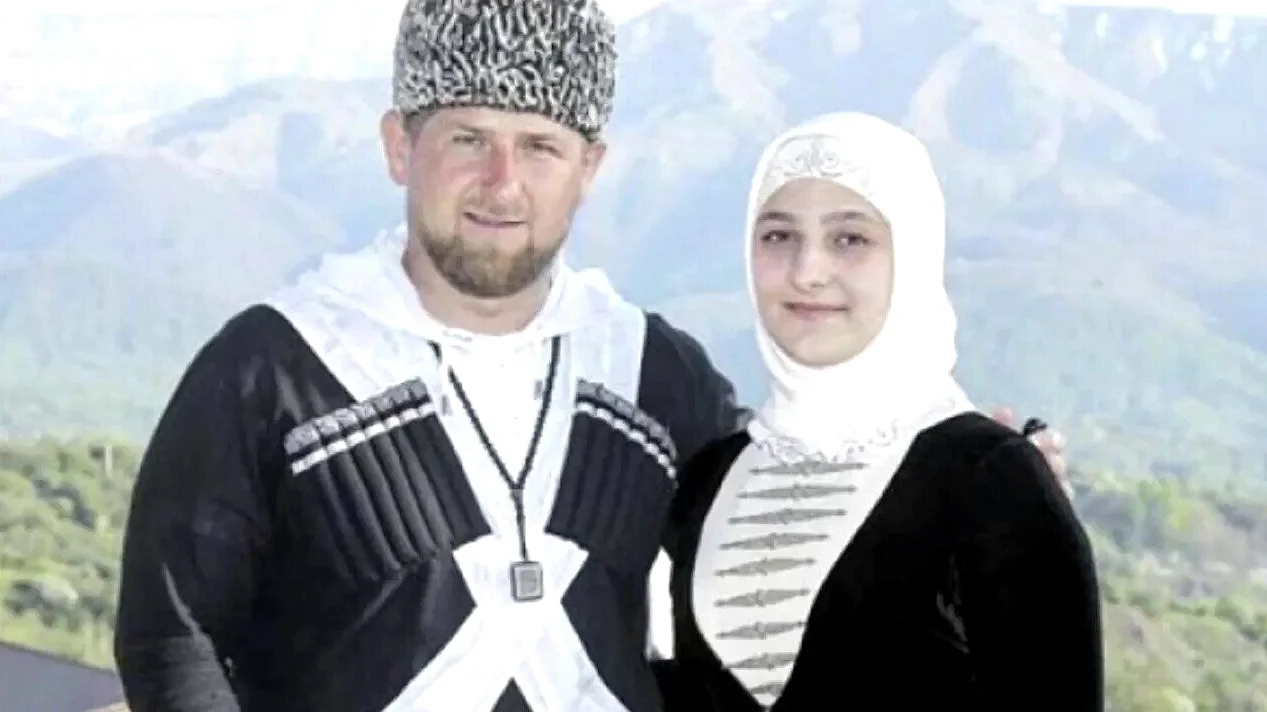
Brigadier General Ahmad Vahidi has officially assumed command of the Islamic Major Guard Corps (IRGC), marking a significant leadership shift in Iran’s military structure. This change occurs against a backdrop of heightened tensions across the Middle East, as large-scale rallies have erupted in Tehran and other Iranian cities in support of the country’s leadership and armed forces.
Impact on Regional Stability
The IRGC, a key pillar of Iran’s military and political power, has seen several high-profile changes in recent weeks. The death of Major General Abdolrahim Mousavi, former Chief of the General Staff of the Iranian Armed Forces, was confirmed earlier this week, followed by the confirmation of the death of Defense Minister Major General Nasirzadeh. These losses have prompted a restructuring of Iran’s military leadership, with Vahidi’s appointment now seen as a strategic move to stabilize the IRGC.
In Iraq, Muqtada Sadr, a prominent Shia cleric and political figure, declared three days of mourning in response to the deaths of Iranian military officials. Sadr’s statement, which was made public through his political party, highlights the deep connections between Iran and its regional allies, particularly in Iraq, where Iranian influence remains strong.
Rallies and Demonstrations Across the Region
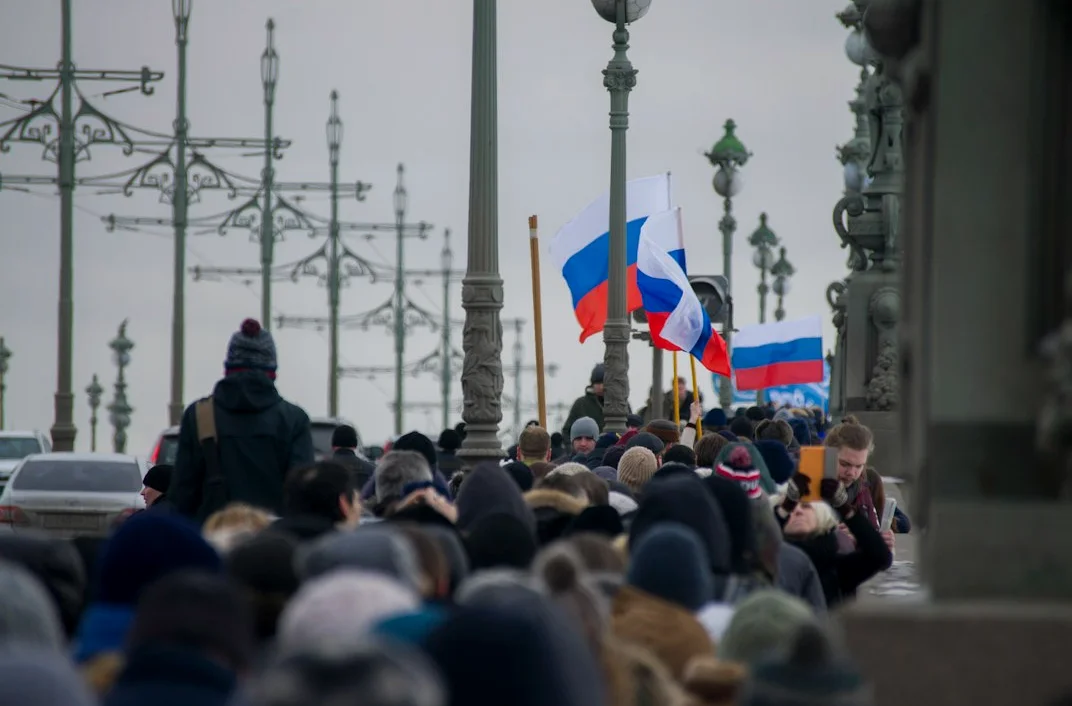
Mass demonstrations have taken place in Baghdad, Basra, and other Iraqi cities, with participants expressing solidarity with Iran and its military leadership. In Lebanon and the Kashmir region, people have also gathered in support of Iran, highlighting the broader regional impact of these developments. The rallies, which have drawn thousands, are seen as a show of defiance against perceived external threats, particularly from the United States and its allies.
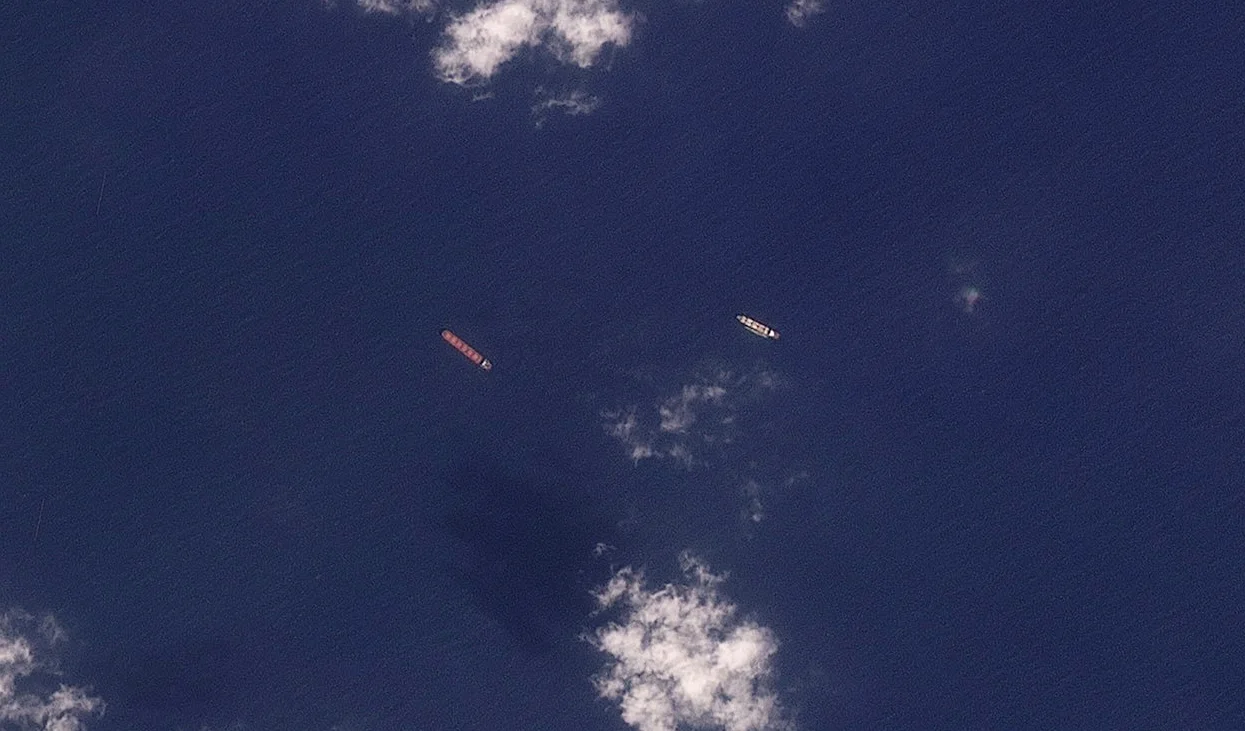
According to the Fars News Agency, Iran has issued a firm statement that American ships will no longer be allowed to enter the Persian Gulf. This move is part of a broader strategy to assert Iran’s maritime sovereignty and deter foreign military presence in the region. The statement was made in response to escalating tensions, including recent missile launches by Iran, which have continued despite international warnings.
Iran’s Secretary of the Supreme National Security Council, Ali Larijani, stated that the armed forces are determined to continue resisting any external pressure. He warned that American bases used for attacks on Iran would be considered legitimate targets. This statement has raised concerns among regional analysts about the potential for further escalation.
Speaker of the Iranian Parliament, Mohammad Bagher Ghalibaf, echoed similar sentiments, emphasizing that Iran will not allow any attempt on its sovereignty and unity. His remarks reflect a unified stance among Iran’s leadership, which has been increasingly vocal in recent weeks about defending its territorial integrity.
Regional Reactions and Future Implications
Alarm sirens have been sounding in northern and central Israel, as well as in settlements in the West Bank and the Dead Sea area, indicating potential missile activity or military drills. These developments suggest that the region is on high alert, with Israel and its allies closely monitoring Iran’s military movements.
Analysts warn that the current situation could lead to further military confrontations, particularly if Iran continues its missile launches and if the United States escalates its presence in the Persian Gulf. The deaths of key Iranian military officials, combined with the leadership changes in the IRGC, have created a period of uncertainty and potential volatility in the region.
With tensions showing no signs of abating, the coming weeks will be critical in determining whether the current standoff will lead to a broader conflict or if diplomatic efforts can de-escalate the situation. The leadership changes in the IRGC and the regional demonstrations are clear indicators that Iran is preparing for prolonged resistance against external pressures.
Comments
No comments yet
Be the first to share your thoughts