

 BBC
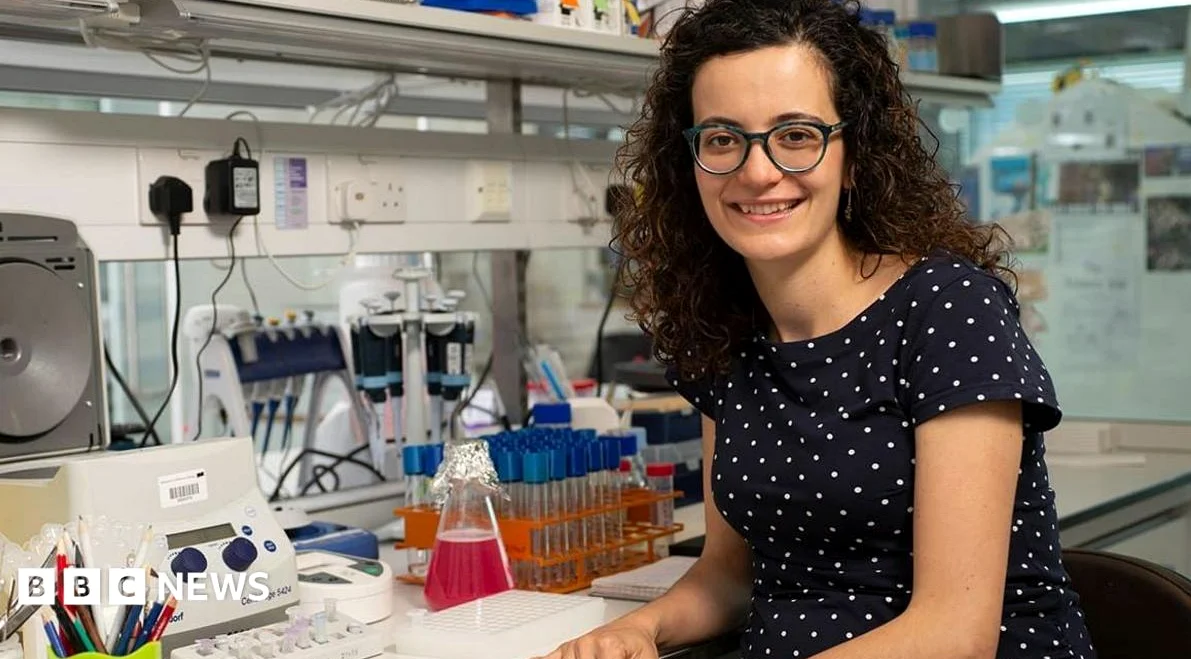
Dr Marta Shahbazi, an affiliate associate professor at the University of Cambridge’s MRC Laboratory of Molecular Biology (LMB), died in the collision of two high-speed trains near Urda, south of Madrid. The crash occurred on Wednesday and is considered one of the worst rail disasters in Europe’s modern history.
Scientific Contributions and Personal Life
Shahbazi was an expert in cell biology and led the Shahbazi Laboratory at the LMB. She had recently won the Spanish Society for Developmental Biology award for her work on early human development. She was due to collect the prize at a conference in El Rompido, Andalusia.
According to a statement from the LMB, Shahbazi was a “profoundly inspiring, talented, and passionate scientist” whose work shed light on the earliest stages of human embryo development. She was also described as a role model who openly discussed the challenges of balancing family and career, referring to herself as a “mother scientist.”
Reactions and Tributes
Dr Roser Vento-Tormo, a group leader at the Wellcome Sanger Institute, wrote on LinkedIn that Shahbazi was “a beautiful person: a close collaborator, a treasured friend, and an inspiration.” She added that their shared work would still be published in the coming months, and “anyone who reads it will feel the passion she poured into everything she did.”
The Center for Research in Molecular Medicine and Chronic Diseases (CiMUS), based in Santiago de Compostela, Spain, also paid tribute to Shahbazi as a “brilliant young researcher.” The Spanish prime minister, Pedro Sánchez, described the incident as a “tragedy” and has pledged an investigation.
Details of the Crash
The collision happened when a Renfe-operated high-speed train hit the rear of a stationary train operated by Iryo. More than 540 people were on board both trains. The crash marked the second major rail disaster on the line connecting Madrid and Seville this year. Spain declared three days of national mourning following the incident.
Shahbazi had undertaken her PhD at the Spanish National Cancer Research Centre before joining the University of Cambridge as a post-doctoral fellow. Her death was confirmed initially by CiMUS, where her aunt works.
Both the LMB and the Cambridge Stem Cell Institute expressed deep sadness over her death, emphasizing her contributions to science and her role as a mentor and collaborator.


Comments
No comments yet
Be the first to share your thoughts