

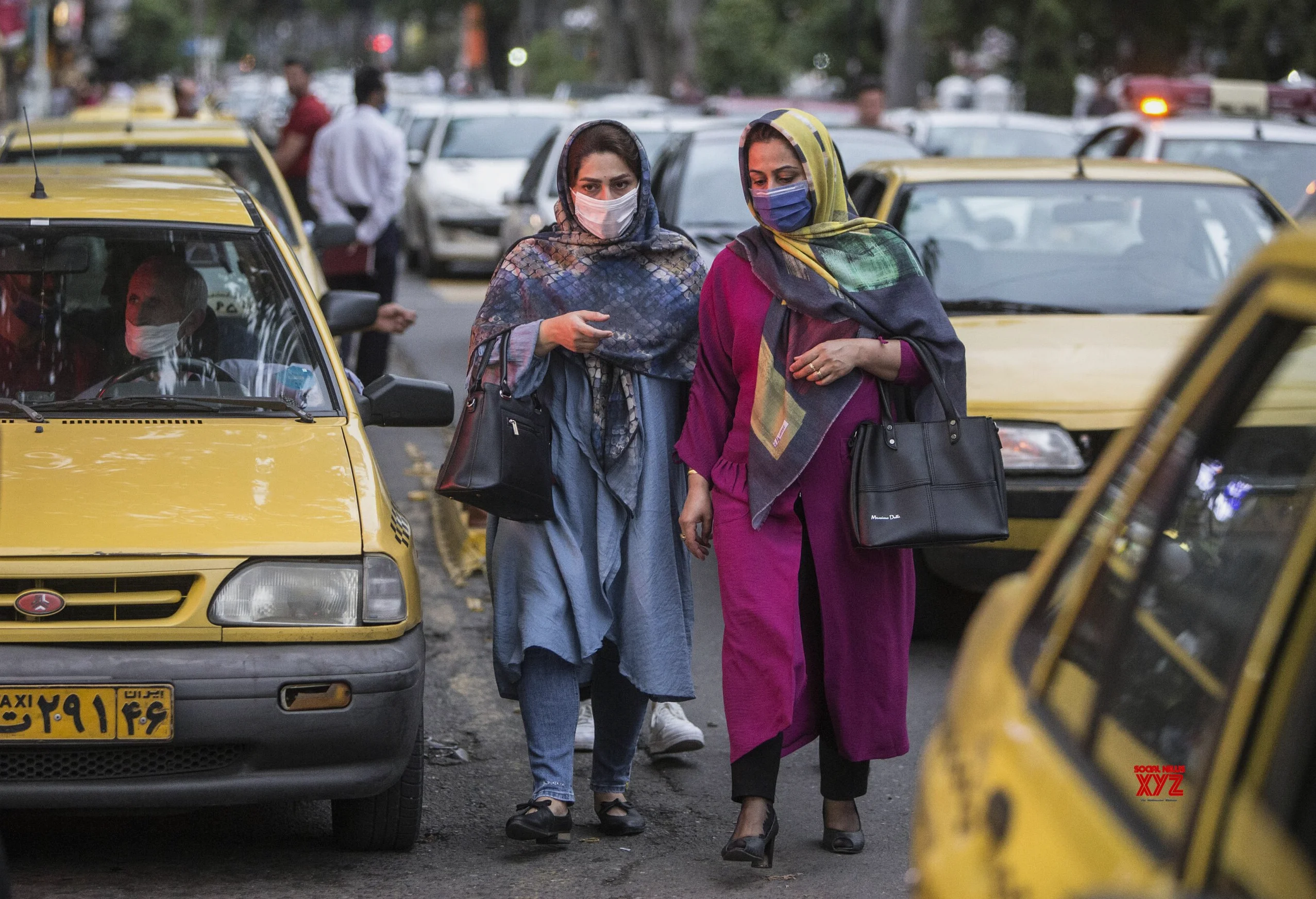
Tehran — In the wake of escalating regional tensions, Iran’s government has reaffirmed its commitment to avoiding war and maintaining stability, according to a statement from a top administration official. Fatemeh Mohajerani, the spokesperson for the Iranian government, emphasized during a weekly media briefing on February 24 that all branches of the government are working to steer the nation away from conflict despite social tensions and what she described as ‘unprecedented external threats.’
Strategies of Diplomacy and Deterrence
Mohajerani stated that the government consistently prefers diplomacy over war, highlighting that both diplomatic engagement and deterrence are key strategies aimed at safeguarding national dignity and securing national interests. ‘We are seriously pursuing diplomatic efforts,’ she said, adding that the armed forces are also strengthening their deterrence capabilities and are fully prepared for any scenario.
Recent military drills reflect the readiness of Iran’s armed forces, according to IRNA, the Islamic Republic News Agency, which reported on Mohajerani’s comments. She noted that negotiations are being followed with caution and vigilance. ‘Authorities are closely monitoring developments, remain committed to the outcomes of diplomatic processes, and are prepared to use all deterrent tools to prevent any miscalculation,’ she said.
Mohajerani emphasized that the government is fully prepared for both diplomatic and military paths. ‘In sum, we are fully prepared for both paths,’ she stated, highlighting the dual approach of the administration in dealing with the current geopolitical climate.
Student Protests and Government Response
The spokesperson also addressed recent protests by university students, acknowledging their right to protest and describing them as active and aware members of society. However, she emphasized that certain red lines, including respect for religious sanctities and the national flag, must be observed even in times of anger. ‘These boundaries must be respected to maintain social harmony and national unity,’ she said.
Mohajerani noted that a fact-finding committee established to review the January unrest in Iran is holding regular meetings and is pursuing issues such as the release of detainees. This committee is tasked with investigating the causes and consequences of the unrest and ensuring that justice is served while maintaining social stability.
The spokesperson also underlined that the correct path forward lies in constructive dialogue and rationality rather than confrontation. She thanked the ministers of science and health, as well as university presidents and faculty members, for their patience and efforts in facilitating the reopening of universities. ‘Their cooperation has been instrumental in restoring normalcy and ensuring the continuity of education,’ she said.
Implications for Regional Stability
The government’s dual strategy of diplomacy and deterrence has significant implications for regional stability. Analysts suggest that Iran’s approach could influence the dynamics in the Middle East, particularly in relation to its relations with the United States and other regional powers. The emphasis on diplomacy may lead to renewed talks on nuclear issues and other bilateral concerns, while the readiness for deterrence could deter potential aggression from adversaries.
According to recent reports, the number of military exercises conducted by Iran has increased by 15% in the past year, reflecting a heightened state of alert. Additionally, the government has been actively engaging in diplomatic talks with several countries, including Russia and China, to strengthen regional cooperation and counterbalance Western influence.
As tensions continue to simmer in the region, the Iranian government’s strategy of balancing diplomacy with deterrence is expected to shape the next phase of its foreign policy. The upcoming months will be critical in determining whether this approach can lead to de-escalation or further conflict.
Mohajerani’s statements reflect the government’s current stance, but the effectiveness of this strategy will depend on the actions of both Iran and its regional and global counterparts. The international community will be watching closely to see if this approach can lead to a more stable and peaceful region.




Comments
No comments yet
Be the first to share your thoughts