

The Iranian Major Guard has confirmed striking multiple targets in the fifth wave of Operation True Promise 4, targeting both U.S. military installations in Kuwait and a cargo ship in the Jebel Ali port. The attacks, which began on Saturday morning, are in response to what Iran describes as Zionist-American aggression against its territory.
Strikes in the Indian Ocean and Kuwait
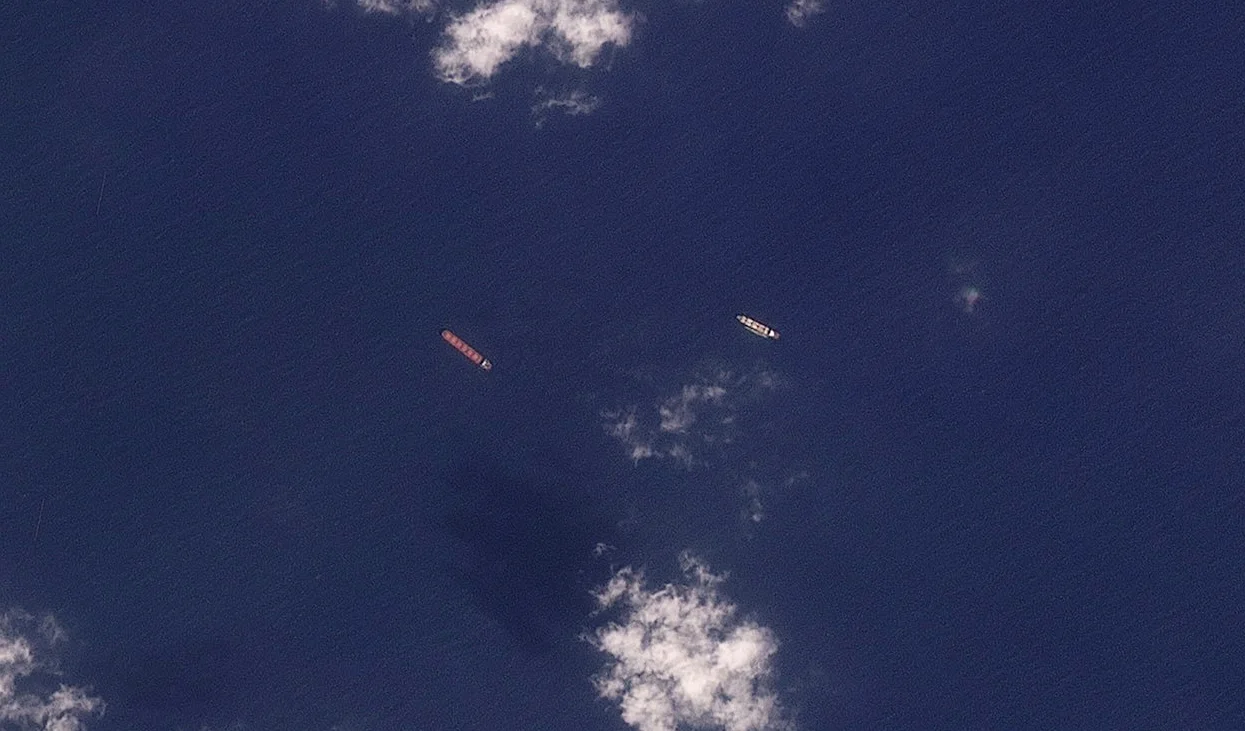
In a statement released today, the Major Guard revealed that during the fifth wave of the operation, four drones targeted the cargo ship MSP in the Jebel Ali port. The vessel was reportedly tasked with transporting ammunition to U.S. naval ships. According to the statement, the attack resulted in a series of explosions that rendered the ship completely inoperable.
The U.S. naval base in the Abdullah al-Mubarak area of Kuwait was also struck with four ballistic missiles and twelve drones. The Major Guard claimed the attack led to the destruction of all key infrastructure and a large number of U.S. casualties, both dead and wounded. The strike on Kuwait marks a significant escalation in the ongoing conflict between Iran and the U.S., which has seen increased tensions in the region over the past several months.
Attack on U.S. Support Vessel
The Major Guard also confirmed that the MST-class combat support vessel, which serves as a refueling ship for U.S. vessels in the Indian Ocean, was hit directly by Iranian Qadr-380 missiles. The impact reportedly caused significant damage to the vessel, potentially disrupting U.S. military operations in the area.
The Major Guard statement emphasized that the operation is a joint effort by the navy and air force, with the goal of keeping the ‘gates of hell open’ for enemy units. The operation is part of a broader strategy by Iran to counter what it describes as foreign aggression and to protect its national interests.
Continued Missile Campaigns
Iran has continued to launch missiles toward U.S. bases in the region and toward targets in the occupied Palestinian territories. The attacks are in response to the Zionist aggression against Iranian territory that began Saturday morning. According to reports, the initial attacks have already claimed the lives of hundreds of children, women, and innocent civilians, raising concerns about the humanitarian impact of the conflict.
The ongoing attacks have raised questions about the potential for further escalation in the region. The Major Guard has not indicated any immediate plans to halt the operation, suggesting that the strikes may continue for the foreseeable future.
Analysts have warned that the situation could lead to a broader regional conflict, particularly if the U.S. or its allies respond with military force. The attacks on Kuwait and the Indian Ocean highlight the strategic importance of these regions in the broader geopolitical landscape.
According to the Major Guard’s statement, the operation is part of a long-standing effort to challenge foreign influence in the region. The use of drones and ballistic missiles has become a key component of Iran’s military strategy, allowing it to strike targets with precision while minimizing the risk to its own personnel.
The attacks on U.S. military installations and the cargo ship in Jebel Ali port have drawn international attention, with some countries calling for de-escalation and diplomatic dialogue. However, the situation remains tense, with both sides showing no signs of backing down.
The Major Guard has emphasized that the operation is not only a military response but also a demonstration of Iran’s resolve to defend its sovereignty and territorial integrity. The ongoing strikes are expected to have lasting implications for regional security and the balance of power in the Middle East.





Comments
No comments yet
Be the first to share your thoughts