

 The Guardian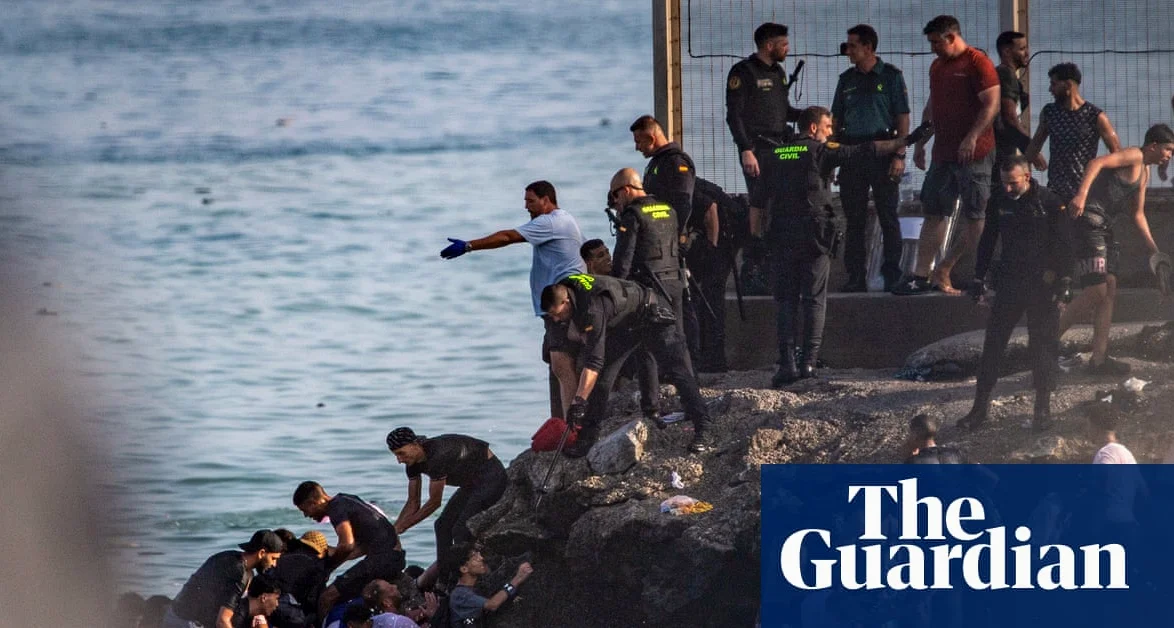
Dozens of people died attempting to reach the Spanish enclave of Ceuta after an estimated 50,000 crossed from Morocco last week, according to The Guardian, as the incident has led to a political crisis in Spain and criticism from EU countries.
Spain Faces Internal and External Pressure
Lucy Hough spoke to the Guardian’s European community affairs correspondent, Ashifa Kassam, who detailed the situation on the ground; the crisis has placed significant pressure on the Spanish government to manage the influx of migrants and coordinate with EU partners. The death toll has intensified calls for immediate humanitarian action and policy reform.
Spanish officials have been criticized for their response to the crisis, with some lawmakers accusing the government of being unprepared for the scale of the migration surge. The political fallout has led to heated debates within parliament and among EU leaders about the effectiveness of current border control measures.
EU Responses Highlight Divisions
Several EU countries have expressed concern over the situation in Ceuta, with some calling for a coordinated response to the migrant crisis; However, others have been reluctant to support stricter border enforcement measures, highlighting the deep divisions within the union on immigration policy. The lack of a unified approach has been a point of contention among EU officials.
According to Kassam, the crisis has showed the challenges of managing migration in a region with differing national interests and policies; some EU members have questioned the effectiveness of the current system, while others have emphasized the need for greater solidarity in addressing the issue.
Spain’s government has requested assistance from the EU to manage the migrant influx, but the response has been mixed; While some countries have offered support, others have been hesitant to commit resources, leading to delays in the implementation of emergency measures.
Humanitarian Concerns and Future Implications
The deaths of dozens of migrants have raised serious humanitarian concerns, with aid organizations calling for immediate access to the affected areas. The situation has also drawn attention to the broader issue of migration from Africa to Europe, a topic that has been a source of political debate for years.
Kassam noted that the crisis in Ceuta could have long-term implications for EU immigration policy — the lack of a coherent strategy has led to calls for a more full and coordinated approach to managing migration flows. However, with the current political climate, achieving such a strategy remains a challenge.
As the situation in Ceuta continues to unfold, the international community is watching closely. The crisis has exposed the vulnerabilities in the EU’s migration system and highlighted the need for a more unified and effective approach to addressing the challenges of migration and border control.






Comments
No comments yet
Be the first to share your thoughts