

In the last four days, the United States and Israel have conducted precision strikes on key Iranian military infrastructure and leadership targets. This move has come amid ongoing debate about the role of the U.S. in the Middle East and whether it is acting as Israel’s proxy.
The Legacy of Iranian Aggression
Since the 1979 Islamic Revolution, Iran has been a relentless adversary to Israel and a destabilizing force across the region. The regime has repeatedly defied international norms, brutally suppressed its own citizens, and enforced severe restrictions that relegate women to second-class status.
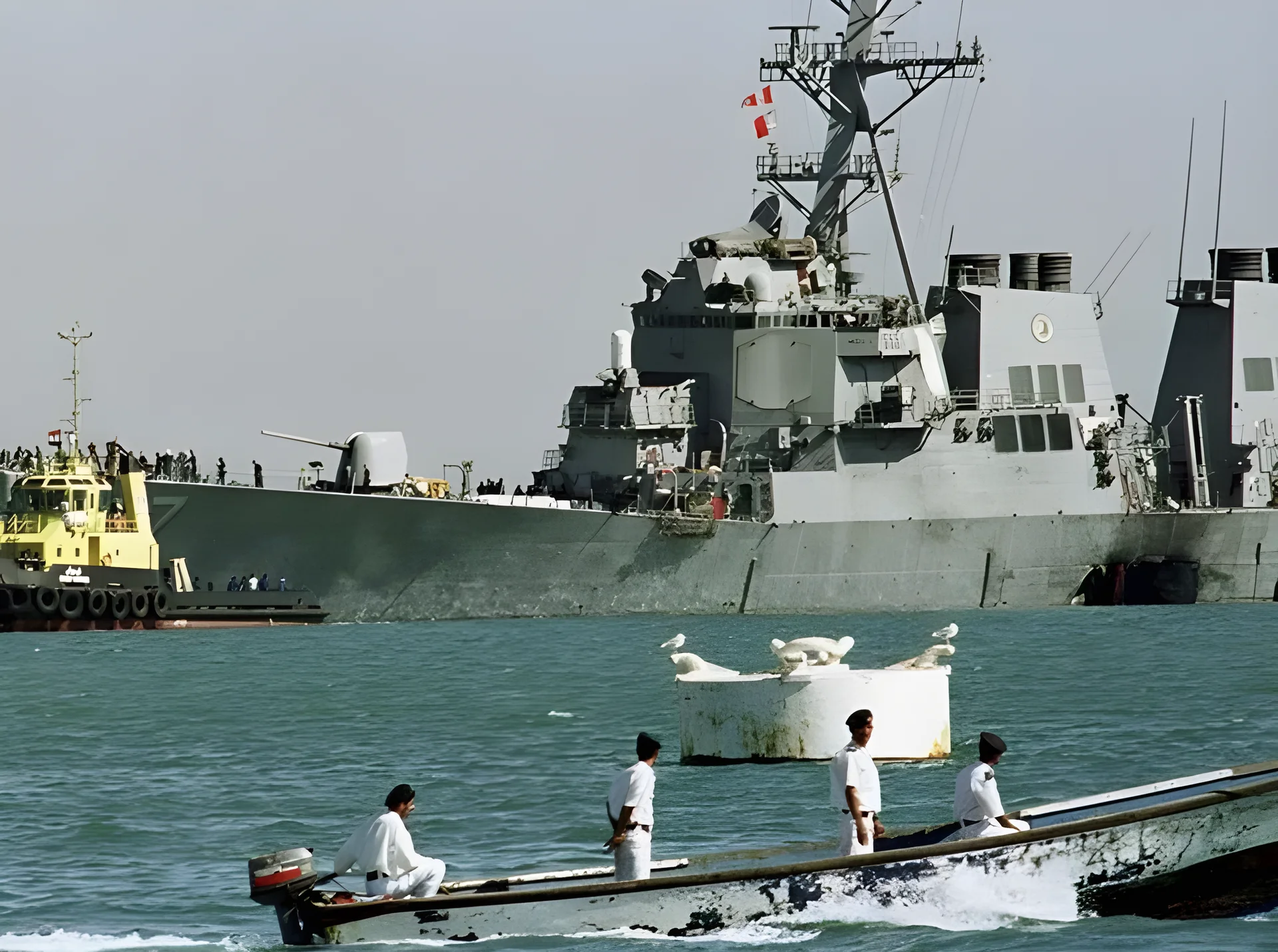
Most critically for the United States, Iran has directly and through its proxies inflicted profound harm on American lives: kidnapping roughly 100 Americans, murdering approximately 1,200 (primarily service members but also diplomats and civilians), and injuring several thousand more, often through devastating attacks like bombings, missiles, and roadside devices.
A History of Threats and Attacks
The regime has also issued explicit threats against U.S. officials, placed bounties or assassination plots on American leaders and figures, and fostered an environment of ongoing hostility. Here are 12 specific instances that could have provoked any reasonable nation to decisive action.
War critics have swiftly mobilized in this fast-moving four-day conflict, trotting out familiar objections: no legal justification existed, the president lacks authority to wage war without Congress, no viable path to success has been charted, though President Donald Trump and Secretary of Defense Pete Hegseth have in fact laid out a clear four-point plan.
Escalation is inevitable, civilians will suffer, and diplomacy should have been exhausted further. Yet Iran’s track record tells a different story. Since the founding of the Islamic Republic in 1979, the regime has never negotiated in good faith when it held the upper hand; instead, it has consistently threatened America and, time and again, acted on those threats through direct attacks, proxy terrorism, and relentless pursuit of destructive capabilities.
A Limited and Effective Military Action
This operation is neither an endless occupation nor a full-scale war declaration; it’s a limited, precise, and stunningly effective military action. Our president has articulated straightforward, achievable objectives: destroy Iran’s ballistic missile capabilities (including production and stockpiles that could soon threaten the American homeland), annihilate its navy (with several vessels already sunk), ensure the regime can never develop or acquire nuclear weapons, and sever its funding, arming, and direction of terrorist proxies across the region.
Few commanders-in-chief have ever defined victory so clearly or confined the mission so tightly to core national security imperatives. If this campaign concludes swiftly, as current momentum suggests it will, with these goals met, the world will emerge safer, more stable, and free from the shadow of Iranian aggression.
American military personnel, diplomats, and allies safeguarding vital trade routes and interests in the Middle East will stand on firmer ground, with a powerful deterrent reestablished through strength rather than endless accommodation. History will judge this moment not by the speed of the critics, but by the results: peace through decisive action, and a future where threats like these no longer claim American lives with impunity.





Comments
No comments yet
Be the first to share your thoughts