

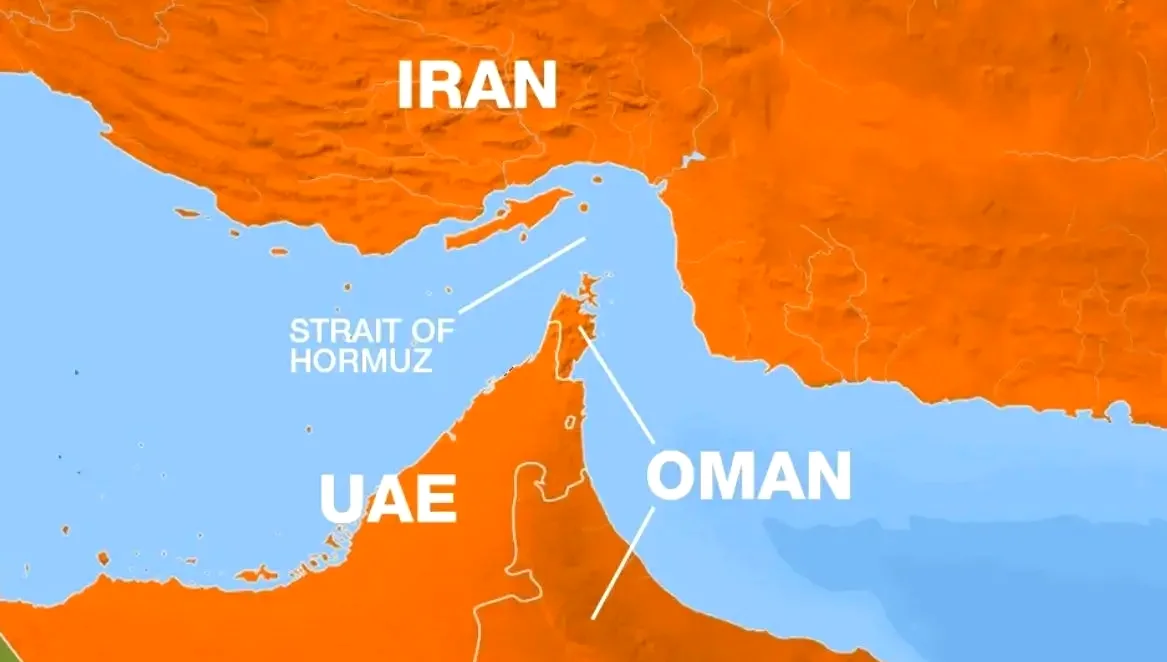
Iran temporarily restricted parts of the Strait of Hormuz during live-fire military drills, a move that has sparked global concern over energy security and the stability of one of the world’s most critical shipping routes. The restriction, described by Iranian authorities as a short safety measure, lasted only a few hours but occurred amid heightened tensions with the United States and ongoing nuclear negotiations in Geneva.
What Exactly Did Iran Do?
Iranian authorities temporarily restricted navigation in the Strait of Hormuz as part of a military exercise that included live surface firing, missile launches at designated targets, and the issuance of maritime safety advisories. The shutdown lasted only several hours, but the timing of the maneuver—during a period of increased regional tensions—has raised eyebrows among global analysts and policymakers.
Iran described the move as a routine safety precaution, but its rarity and the context in which it occurred have intensified scrutiny. The exercise included the firing of missiles, which, while aimed at designated targets, still posed a risk to maritime traffic in one of the world’s most congested waterways.
Why Did Iran Restrict the Strait of Hormuz?
Several overlapping factors influenced Iran’s decision to restrict the Strait of Hormuz. First, the live-fire missile drills themselves posed a potential risk to maritime navigation. Second, the move may have been intended as a symbolic demonstration of Iran’s control over the region, particularly in the context of heightened tensions with the United States. Recent incidents, including the interception of an Iranian drone by U.S. forces and reports of maritime harassment, have contributed to a volatile environment.
Additionally, the ongoing nuclear negotiations in Geneva, which have seen both sides engaged in complex discussions over Iran’s nuclear program and potential sanctions relief, may have influenced the timing of the exercise. Analysts suggest that the move could serve both an operational and strategic purpose, ensuring the safety of the military drills while also signaling Iran’s military capabilities.
Why the Strait of Hormuz Matters for Global Oil Flows
The Strait of Hormuz is the world’s most critical maritime chokepoint, connecting the Persian Gulf to the Gulf of Oman and the Indian Ocean. The narrowest point of the strait is nearly 33 kilometers wide, and it handles approximately 13 million barrels of crude oil per day, representing about 31% of global seaborne crude trade.
Even the perception of a disruption in the strait can have a significant impact on global energy markets. Energy analysts note that any restriction, whether real or perceived, can lead to a spike in oil prices, increased shipping costs, and a ripple effect across the global economy. This makes the strait a focal point for geopolitical tensions in the region.
According to the International Energy Agency, a disruption in the Strait of Hormuz could result in a 10% to 20% increase in global oil prices within days. The economic stakes are high, and the strategic importance of the strait cannot be overstated.
Iran’s temporary closure of the strait during military exercises has reignited concerns about the vulnerability of global energy infrastructure to geopolitical instability. The move has also drawn attention to the broader issue of maritime security in the region, particularly as both Iran and the United States have expanded their naval presence in the Gulf.
While Iranian officials have assured that the shutdown was a short-term measure, the incident has raised questions about the future of the strait as a stable and secure passage for global trade. With the ongoing nuclear talks in Geneva and the complex web of regional tensions, the situation remains fluid and unpredictable.
Analysts suggest that the move may also be a message to the international community, highlighting Iran’s willingness to act unilaterally in its own interests. This could have implications for future negotiations and the broader geopolitical landscape in the region.
The incident has also underscored the need for greater international cooperation to ensure the stability of critical maritime routes. With the global economy increasingly dependent on the free flow of energy resources, the security of the Strait of Hormuz remains a pressing concern for policymakers around the world.




Comments
No comments yet
Be the first to share your thoughts