

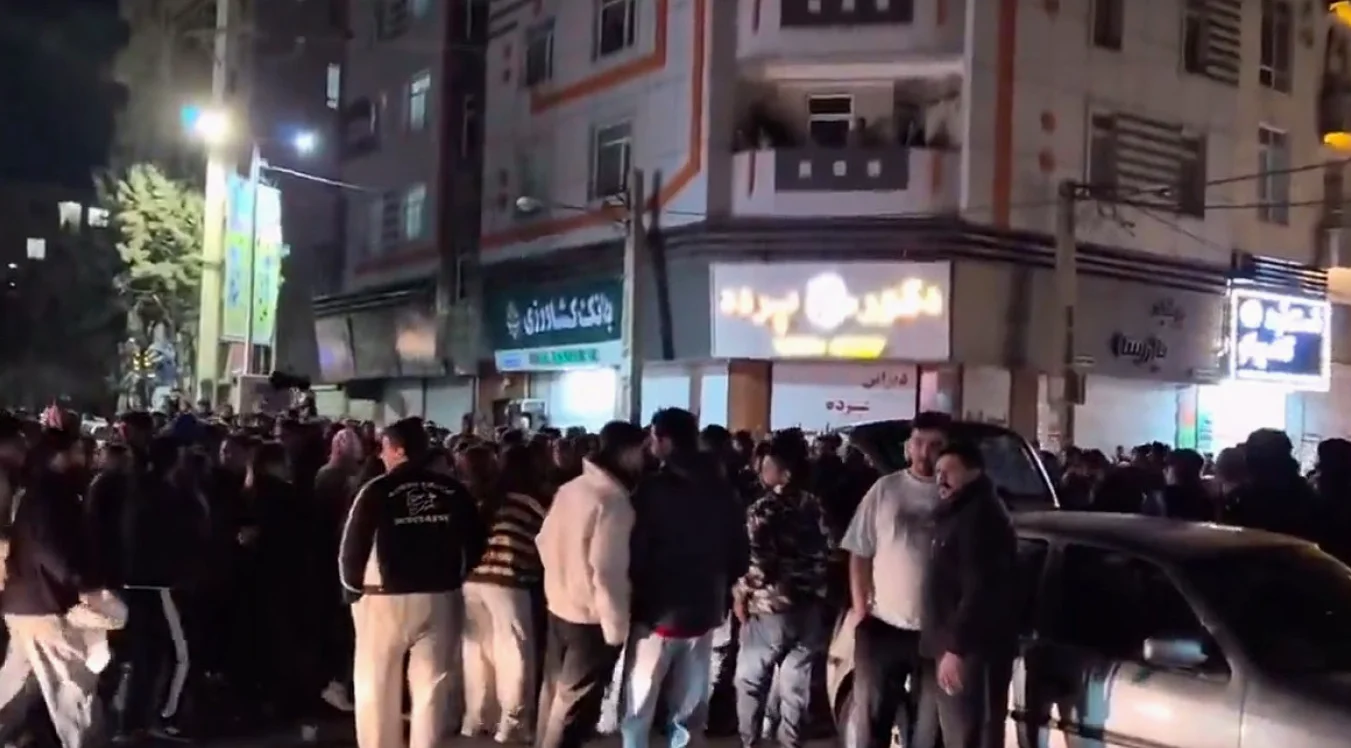
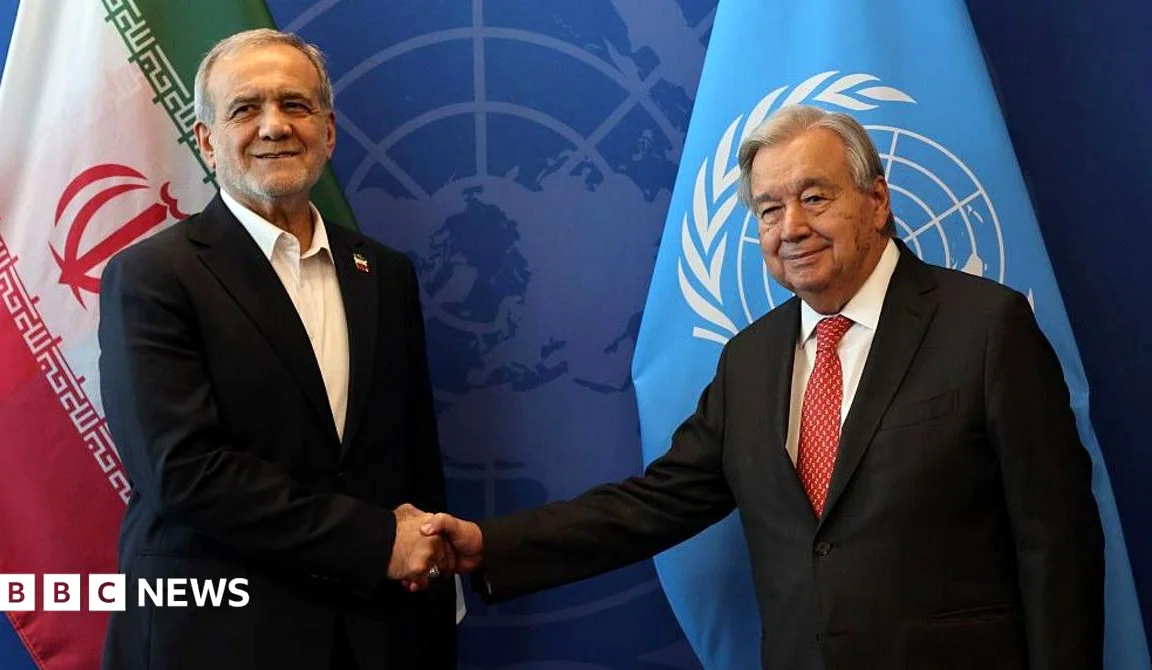
Iran’s Supreme Leader Ayatollah Ali Khamenei was killed in a U.S.-Israel airstrike, according to state media, triggering a wave of military and political responses from Tehran. The attack, which occurred on February 28, 2026, marked a dramatic escalation in hostilities between Iran and its regional adversaries. President Masoud Pezeshkian has assumed temporary leadership of the country, as outlined in Iran’s Constitution, amid heightened tensions and uncertainty.
Major Guards Vow ‘Severe Punishment’ for Khamenei’s Killers
The Islamic Major Guard Corps (IRGC), an elite branch of Iran’s military, vowed to deliver ‘severe punishment’ to those responsible for Khamenei’s death, blaming the ‘rogue governments of the United States and the Zionist regime.’ In a statement, the IRGC called for ‘strict and decisive punishment’ to be inflicted on the ‘killers of the Imam of the Ummah,’ ensuring they ‘regret their actions.’
Khamenei, who had led Iran since 1989, was a central figure in the country’s political and military affairs. His death has left a power vacuum, with the nation’s leadership structure now in flux. The Major Guards emphasized that the ‘hand of vengeance of the Iranian nation’ would not rest until justice was served.
Iran’s Constitutional Framework for Leadership Transition
According to Iran’s Constitution, the selection of a successor to the Supreme Leader is the responsibility of the Assembly of Experts, an 88-member body of clerics elected by the public every eight years. However, under the current circumstances, convening the assembly promptly may be difficult due to ongoing military attacks from the U.S. and Israel.
In the interim, the Constitution stipulates that the duties of the Supreme Leader are assumed temporarily by a three-member council comprising the president, the head of the judiciary, and a cleric from the Guardian Council. President Masoud Pezeshkian, alongside the speaker of parliament and the head of the judiciary, is currently leading the country until a new leader is chosen.
Security concerns and operational constraints may delay the process, as the nation faces an ongoing military threat. The transition is critical to maintaining institutional continuity and ensuring the stability of Iran’s governance structure.
President Pezeshkian Assumes Leadership Amid Turmoil
Iranian state media reported that President Masoud Pezeshkian is leading the country following Khamenei’s death. The Islamic Republic of Iran Broadcasting (IRIB) confirmed that Pezeshkian, along with the speaker of parliament and the head of the judiciary, is governing the nation until a new Supreme Leader is elected.
Unconfirmed reports suggest that Khamenei’s daughter and son-in-law were killed in the airstrike, according to a member of the municipal council of Tehran. However, these claims remain unverified and have not been officially confirmed by the government.
The death of Khamenei has raised questions about the future of Iran’s leadership and its foreign policy. With Pezeshkian now at the helm, the country may see a shift in its approach to regional tensions and international relations, particularly with the U.S. and Israel.
As the situation continues to unfold, the world watches closely to see how Iran will respond to the loss of its most influential leader and what implications this will have for global stability and the Middle East conflict.

Comments
No comments yet
Be the first to share your thoughts