

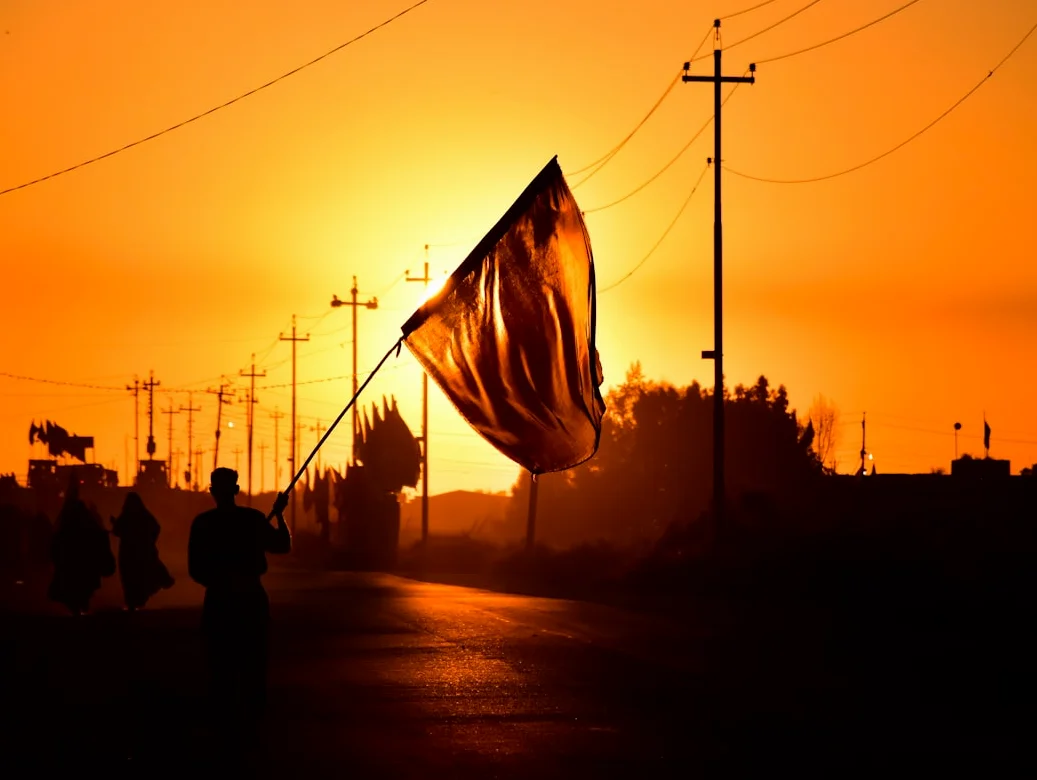
Essays released in 2023 dissect the Iraq War’s profound effects on US foreign policy two decades after the March 2003 invasion. The volume spotlights how the conflict reshaped Washington’s approach to interventions, alliances and global power projection.
The Bush administration justified the war on claims that Saddam Hussein’s regime possessed weapons of mass destruction. No such arsenal turned up after US and coalition forces toppled the dictator. According to post-war inquiries, this intelligence collapse eroded trust in US assessments and fueled domestic and international backlash.
Occupation challenges mounted quickly. Legal experts at the US Naval War College pored over international law’s application during the post-invasion phase. Iraq plunged into sectarian strife and insurgency. Efforts to install a democratic government faltered amid violence that killed thousands and displaced millions.
Neo-conservative thinkers drove the war’s intellectual foundation. They pushed for exporting democracy via military might, viewing Hussein’s ouster as a gateway to Middle East transformation. Results proved otherwise. The quagmire exposed limits to regime change and sparked blowback, including the 2014 emergence of ISIS from instability’s vacuum.
Critics slam the administration’s go-it-alone stance. Officials bypassed broad UN backing, alienating European allies like France and Germany. The report states this eroded US moral authority and fractured multilateral ties, complicating future coalitions.
Today’s policymakers grapple with Iraq’s shadow. The Century Foundation’s recent analysis tracks the ‘Axis of Resistance’—Iran, Syria, Hezbollah and other foes of US sway in the region. These networks persist, defying years of American military footprints.
Even distant arenas echo the war’s cautions. The Carnegie Endowment for International Peace warns of Arctic resource rivalries heating up, with Russia, China and NATO eyeing untapped oil, gas and shipping lanes. Such flashpoints demand precise intelligence and coalition-building, lessons etched from Baghdad’s streets.
Scholars stress complex preparation for any intervention. Iraq revealed pitfalls in ignoring local ethnic tensions, tribal loyalties and religious divides. Nation-building demands more than troops; it calls for sustained economic aid and diplomatic finesse, both in short supply post-2003.
Public opinion shifted sharply. Pre-war polls showed majority US support. By 2008, approval cratered below 30 percent amid over 4,400 American deaths and $2 trillion in costs, per Brown University’s Costs of War project. Presidents Obama and Trump pivoted toward restraint, shunning large-scale ground wars.
Biden’s 2021 Afghanistan pullout drew Iraq parallels. Critics invoked 2003 chaos to question timelines. Supporters argued endless occupations breed resentment and extremism, citing ISIS’s Iraq origins.
The essays urge multilateral resets. UN engagement and NATO consultations could rebuild bridges strained in 2003. As China rises and Russia tests borders, Washington needs credible deterrence without overreach.
Iraq endures as a policy touchstone. Casualties linger: over 200,000 Iraqi civilians dead, per Iraq Body Count. Veterans battle PTSD at rates triple the norm. Geopolitically, Iran gained sway in Baghdad, upending pre-war balances.
Debate persists on redemption paths. Some call for re-engagement against ISIS remnants. Others advocate off-ramps, letting regional powers like Saudi Arabia lead stabilization.
Two decades on, Iraq compels realism. Military might alone falters against entrenched ideologies. Success hinges on alliances, cultural insight and post-conflict staying power—gaps the war brutally exposed.


Comments
No comments yet
Be the first to share your thoughts