


Ireland has decided not to participate in or broadcast the 2026 Eurovision Song Contest, according to reports from Al Jazeera and The Irish Times, this marks the second consecutive year the country has boycotted the event due to its opposition to Israel’s inclusion. Spain, Slovenia, the Netherlands, and Iceland have also joined the boycott, with the Netherlands and Iceland planning to broadcast the final but not sending acts.
Programming Alternatives and Protests
Ireland’s national broadcaster, RTÉ, will air an episode of the sitcom Father Ted instead of the Eurovision final — the episode, titled A Song For Europe, features a parody performance of My Lovely Horse, as reported by The Irish Times. Slovenia’s broadcaster will replace Eurovision programming with a documentary series themed Voices of Palestine, while Spain’s public broadcaster, RTVE, has not yet announced its alternative content.
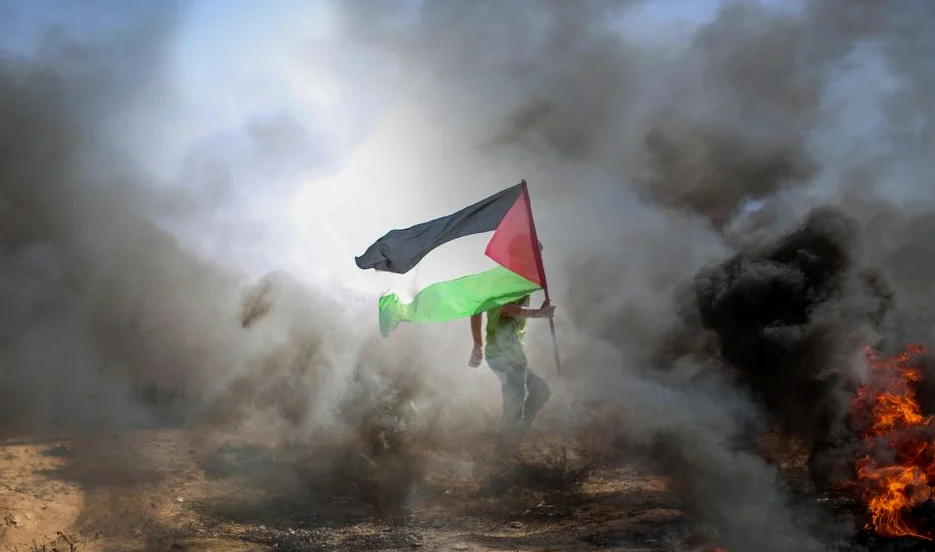
Protests against Israel’s participation also took place during the 2026 Eurovision final in Vienna; Thousands of demonstrators gathered outside the venue, according to Al Jazeera, the contest, which Bulgaria won, attracted 132 million viewers, 34 million fewer than the 2025 edition.
EBU’s Double Standards and Voting Concerns
Ireland and Spain have raised concerns about the European Broadcasting Union’s (EBU) voting process and its perceived double standards. RTÉ requested a breakdown of voting numbers from the EBU after Israeli singer Yuval Raphael received the most public votes in 2025 but finished as runner-up after jury votes were factored in, according to The Irish Times. Spain’s RTVE called for a “complete review” of the voting system to prevent “external interference.”
Russia was banned from Eurovision after its 2022 invasion of Ukraine, but Israel has continued to compete despite the ongoing conflict in Gaza. The Hamas-run health ministry estimates that 72,300 Palestinians have been killed since October 7, 2023, when Hamas launched its attack on Israel, according to The Irish Times. The EBU, which organizes the contest, has been accused of applying a double standard in its treatment of Israel compared to Russia.
Broader Implications and Future Decisions
Spain’s decision to boycott Eurovision is particularly significant as it is one of the “big five” countries — those that make the largest financial contributions to the EBU and are automatically granted a spot in the finals. Spain’s public broadcaster, RTVE, has called the contest “a platform for division” due to the current geopolitical climate. RTVE president José Pablo López stated that the EBU must recognize the political implications of the contest and the damage being done to its reputation, according to NME.
The EBU is expected to deliberate on the matter in December, but López has urged a decision earlier, as Eurovision will mark its 70th anniversary in 2026. The Netherlands’ broadcaster, AVROTROS, has also announced it will boycott next year’s event in Bulgaria, calling Eurovision no longer “neutral” because of Israel’s participation, according to The Bozeman Daily Chronicle.
The 2027 competition will take place in Burgas, Bulgaria, in May. The decision to exclude or include Israel will have broader implications for the contest’s future, particularly as more countries push for a reevaluation of the EBU’s policies in light of global conflicts and political tensions.



Comments
No comments yet
Be the first to share your thoughts