

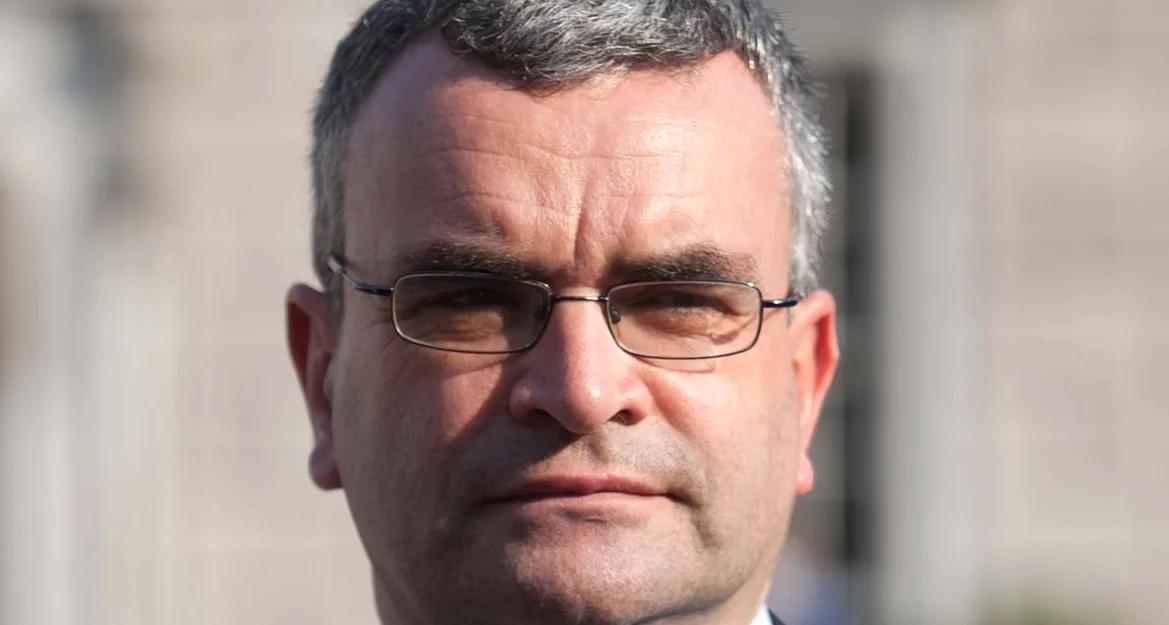
Ireland’s government is considering implementing a pay-related model for Parent’s Benefit, a move that could significantly increase payments for parents on leave following the birth or adoption of a child. Minister for Social Protection Dara Calleary confirmed the government is examining whether to extend the pay-related approach, which was introduced for Jobseeker’s Benefit last year, to other welfare schemes, including Parent’s Benefit.
Pay-Related Model Gains Momentum
The Pay-Related Jobseeker’s Benefit, launched on 31 March 2025, allows eligible claimants to receive up to twice the standard payment rate, based on their employment history and PRSI (Pay Related Insurance) contributions. Minister Calleary stated that the government would use the first year of operational experience from this program to inform the development of a similar system for Parent’s Benefit.
“The Programme for Government commits to introducing Pay-Related Parent’s Benefit and exploring other payments where a similar model could be applied,” Calleary told the Dáil. “My Department will draw on the operational experience and learnings from the first year implementation of Jobseeker’s Pay-Related Benefit to inform the examination of a pay-related approach for Parent’s Benefit and other schemes.”
The minister also announced plans to issue a public consultation document later in the year to support the process and help develop any future proposals. This move reflects a broader effort to align social welfare payments with individuals’ earnings histories, potentially offering more financial support to those with stronger work records.
Current Parent’s Benefit Structure
Currently, Parent’s Benefit is available to parents during the first two years following the birth or adoption of a child. Both parents can access the payment, which is set at the standard weekly rate of €299 for nine weeks. The benefit is paid while on parent’s leave from employment, provided the individual has sufficient PRSI contributions.
However, it is possible to qualify for parent’s leave without receiving Parent’s Benefit if the PRSI contribution requirements are not met. From 1 August 2024, the duration of Parent’s Benefit was extended from seven weeks to nine weeks, offering more flexibility for parents.
Parent’s leave can be taken in individual weeks or all in one go. The benefit is paid only once for both single and multiple births. For example, if a parent has twins or adopts two children simultaneously, they receive one payment. If a parent is already receiving a social welfare payment, they may receive half-rate Parent’s Benefit.
Significance for Families and the Economy
The proposed changes to Parent’s Benefit could have a meaningful impact on working families in Ireland. With the current rate set at €299 per week, the pay-related model could allow eligible parents to receive up to twice that amount, depending on their PRSI contributions and employment history. This would provide additional financial support during a critical period for families, potentially reducing reliance on other social welfare programs.
Economists and social policy experts argue that aligning social welfare payments with individuals’ earnings histories can encourage labor participation and provide more targeted support to those who have contributed more to the social insurance system. This approach could also help reduce the financial strain on the welfare system by distributing benefits more equitably.
“This is an important step in ensuring that social welfare payments are more reflective of individuals’ contributions to the economy,” said one analyst. “It could also help reduce the financial burden on the state by making benefits more proportional to earnings.”
The government’s exploration of a pay-related model for Parent’s Benefit is part of a broader initiative to reform the social welfare system, which has been under review following years of economic and demographic shifts. The proposed changes are expected to be finalized after public consultation, with a timeline likely to be set in the coming months.
Minister Calleary emphasized the importance of public input in shaping the final proposal. “I intend to issue a public consultation document later in the year to support this process and to assist in the development of any future proposals,” he said, highlighting the government’s commitment to transparency and stakeholder engagement.






Comments
No comments yet
Be the first to share your thoughts