

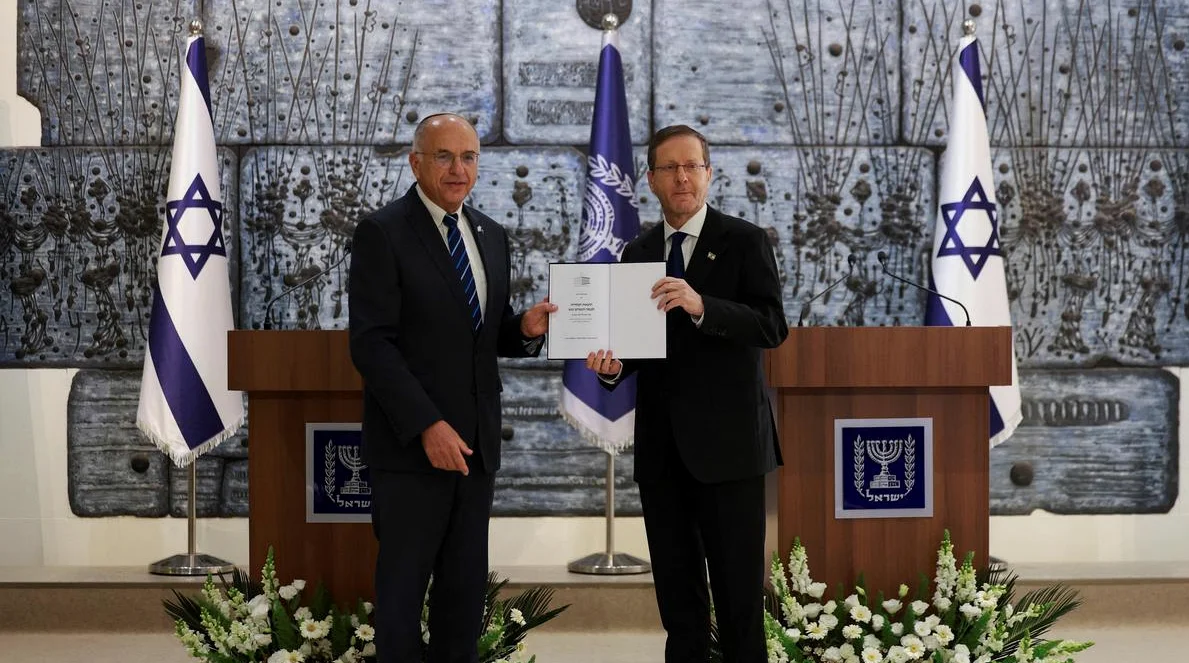
Netanyahu’s religious-nationalist bloc lost its parliamentary majority, while Arab-led parties, including the Joint List and Ra’am, made historic gains, capturing 19 seats. This shift has raised the possibility of a coalition led by Gadi Eisenkot, the main opposition leader, with or without Arab party support.
Netanyahu and his allies have repeatedly claimed the election was “stolen” by Arab-led parties, possibly with foreign assistance, despite the election commission’s findings. These claims have been widely dismissed as unsubstantiated and politically motivated.
A separate investigation by the Shin Bet intelligence service into allegations of foreign interference is ongoing, but no evidence has been presented to support the claims. The Shin Bet had sought to interrogate several Arab lawmakers, including Ra’am leader Mansour Abbas and Joint List member Ahmad Tibi, but the request was rejected by the attorney general, who said there was no evidence to justify such action. “In a country governed by the rule of law, neither citizens nor elected officials can be interrogated without evidence that justifies doing so,” Gali Baharav-Miara said.
In the wake of the election, police conducted aggressive raids and made arbitrary arrests of Ra’am supporters on allegations of vote-buying. However, many were quickly released after judges found the evidence insufficient. Political analyst Mamoun Abu Amer described the backlash as a preplanned campaign to undermine the Arab voter turnout, which had been unusually high. “From the beginning, it was clearly a systematic campaign when Arab citizens mobilised heavily, especially in the villages, the Naqab and the Bedouin areas,” he said.
President Isaac Herzog accepted the certified election results and announced he would begin consultations with party representatives to determine who to name as Prime Minister-designate. Herzog is expected to choose either Netanyahu or Eisenkot, with the latter seen as the stronger contender to form a coalition with Arab-led parties. If neither can form a government, Israel could face a new election early next year.
Arab-led parties have condemned the smear campaigns and security crackdowns as politically motivated efforts to discredit their electoral success. Ahmad Tibi, leader of the Ta’al Party, noted that the high turnout in Arab communities was expected and that the government had long created a “bad reality” for Palestinian citizens. He also pointed out that Likud had prepared a narrative of fraud in advance of the results.
The election results and the subsequent political turmoil have drawn international attention, with some observers warning of a growing erosion of democratic norms in Israel. Gadi Eisenkot accused Netanyahu of launching a “pogrom against democracy” by discrediting the vote and using state security forces against political opponents. “The employees of the Ministry of Defense, law enforcement and the civil service in Israel are servants of the state, not the king,” he said.



Comments
No comments yet
Be the first to share your thoughts