

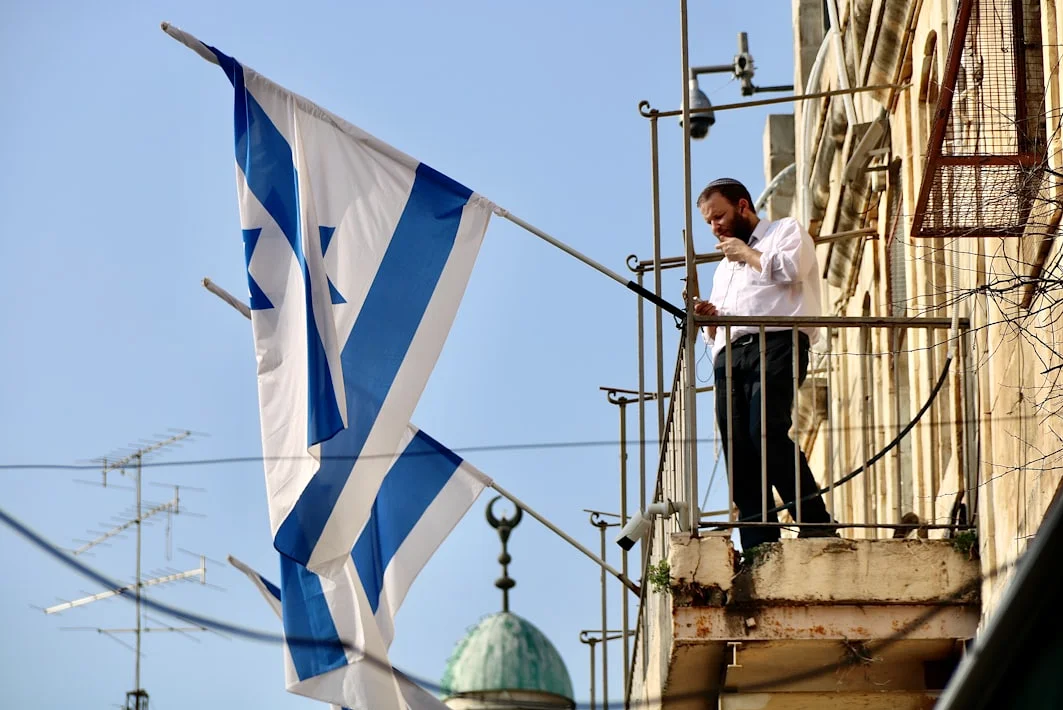
Israel is currently debating a proposed law that would allow the death penalty for Palestinians convicted of deadly attacks, a development that has drawn significant attention from both domestic and international observers. The law. Which has been under discussion for several months, is expected to be put to a final vote next week after a Knesset panel approved its outline, according to The Jerusalem Post. This comes amid ongoing tensions in the region and increased security concerns following a series of attacks and retaliatory strikes.
Legal and Political Context
The proposed law would allow the death penalty for individuals convicted of carrying out attacks that result in the deaths of Israeli citizens — this is a significant shift from Israel’s current legal framework, which does not currently include the death penalty for any crime, including terrorism. The law has been met with both support and criticism from various political factions within Israel.
According to The Jerusalem Post. The Knesset panel’s approval of the law’s outline marks a critical step in its legislative process. The final vote is expected to take place in the coming days, with the outcome likely to have far-reaching implications for Israel’s justice system and its treatment of Palestinian detainees. The law has been supported by some right-wing lawmakers who argue that it is necessary to deter future attacks and provide justice for victims.
Critics of the law. Including human rights organizations and some left-wing politicians, have raised concerns about its potential impact on due process and the rights of the accused. They argue that the death penalty is not only inhumane but also ineffective in preventing terrorism — some have pointed to the lack of evidence that capital punishment deters violent acts, citing international studies and historical data.
Regional and International Reactions
The proposed law has not gone unnoticed by regional and international actors — the Israeli government has not publicly commented on the matter, but the law’s potential implementation has been discussed in diplomatic circles. The United States. Which has historically supported Israel’s security measures, has not yet issued a formal response — However, some analysts suggest that the U.S. may be wary of the potential backlash from international human rights organizations.
According to i24NEWS, the Israeli Prison Service is preparing for the possible implementation of the death penalty for terrorists, indicating that the necessary infrastructure and procedures are being considered. This includes legal and administrative measures to ensure that any executions carried out under the new law would comply with international standards and protocols.
Meanwhile, Iran has continued its military activities in the region, with reports indicating that it has launched missile attacks on Israeli targets. These attacks have been accompanied by statements from Iranian officials denying any involvement in the recent rocket barrages in Israel. The Israeli military has responded by striking Iranian regime military infrastructure across Tehran, according to i24NEWS.
Public and Civil Society Response
The proposed law has sparked widespread public debate in Israel, with many citizens expressing strong opinions on both sides of the issue. Some support the measure as a necessary step to ensure national security, while others argue that it is a violation of basic human rights. Civil society organizations have also weighed in, with some calling for a moratorium on the death penalty and others advocating for its implementation.
According to The Jerusalem Post, several civil society groups have organized protests and public demonstrations in response to the proposed law. These events have drawn attention from both supporters and opponents of the measure, with some calling for a more subtle approach to counterterrorism that does not involve capital punishment.
Local reactions to the proposed law have also been reported in non-English sources, which often provide insight into public sentiment that may be overlooked by international media. In some regions of Israel, there have been calls for a more broad review of the law’s implications, particularly in terms of its impact on the justice system and the rights of the accused.
Security and Military Developments
The proposed law is being considered at a time of heightened security concerns in Israel. Recent attacks, including stabbing and ramming incidents in the West Bank, have raised fears of an increase in terrorist activity. The Israeli military has taken steps to enhance its security measures, including increased patrols and the deployment of additional forces in high-risk areas.
According to i24NEWS, the Israeli Defense Forces (IDF) have been conducting strikes against Iranian regime military infrastructure across Tehran, in response to recent attacks on Israeli targets. These strikes have been part of a broader strategy to deter further aggression from Iran and its allies in the region.
Meanwhile, the Israeli government has also been involved in several high-profile security-related decisions, including the suspension of certain units following controversial incidents. For example, the IDF has suspended the Netzah Yehuda unit after a debacle involving CNN, according to The Jerusalem Post. This has raised questions about the military’s ability to manage its operations effectively in the current security environment.
The proposed law is expected to be the subject of intense debate in the coming days, with the final vote likely to be a defining moment in Israel’s legislative process. The outcome of the vote will have significant implications for the country’s justice system and its approach to counterterrorism.
Regardless of the law’s final fate, the debate surrounding it has already highlighted the deep divisions within Israeli society on issues of security, justice, and human rights. As the situation develops, it is clear that the proposed law will remain a central topic in political and public discourse for the foreseeable future.
Additionally, the ongoing security threats from Iran and other regional actors will continue to shape Israel’s strategic decisions. The government is likely to maintain a firm stance on counterterrorism measures, while also seeking to balance its legal and human rights obligations in the face of growing regional tensions.






Comments
No comments yet
Be the first to share your thoughts