

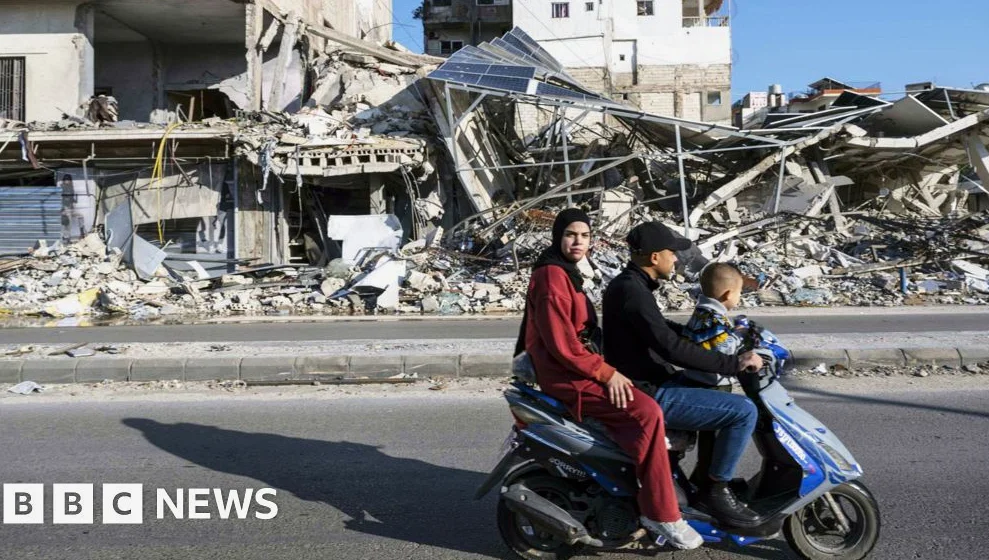
Israel’s Strategic Move in Southern Lebanon
Israel has declared its intent to take control of a large buffer zone in southern Lebanon, a development that has sparked significant concern among regional actors and international observers. According to the Carnegie Endowment for International Peace, the move is part of Israel’s broader strategy to secure its southern border and prevent cross-border attacks from Hezbollah, a powerful militant group based in Lebanon. The buffer zone. Which spans approximately 10 miles along the Israel-Lebanon border, is expected to be under Israeli military control within the next 30 days. This decision follows a series of escalations in violence between Israeli forces and Hezbollah, including a major exchange of fire in early July that resulted in several casualties on both sides.
Israeli officials have stated that the buffer zone will serve as a demilitarized area to reduce the risk of future conflicts. However, Lebanese officials have expressed strong opposition to the move, calling it an occupation of Lebanese territory. The Lebanese government has warned that such actions could further destabilize the region and exacerbate existing tensions. According to Amnesty International. The potential humanitarian impact of this decision is a major concern, particularly for the local population living in the buffer zone.
The Carnegie Endowment for International Peace reports that Israel’s decision has been influenced by recent military developments and the need to ensure long-term security along its southern border. Analysts suggest that the buffer zone could also serve as a staging ground for future military operations against Hezbollah — However, the move has been criticized by human rights organizations, who argue that it may lead to increased civilian casualties and displacement in the area. Amnesty International has called for international attention to be drawn to the potential human rights violations associated with the buffer zone’s establishment.
Regional Reactions and International Concerns
The announcement of Israel’s plan to take control of the buffer zone has elicited mixed reactions from regional and international actors — the Lebanese government has strongly condemned the move, viewing it as an infringement on Lebanon’s sovereignty. According to the Carnegie Endowment for International Peace, Lebanese officials have warned that such actions could provoke further conflict and draw in other regional players, including Iran and Syria. The Lebanese government has also emphasized its commitment to maintaining the territorial integrity of its country, despite the ongoing challenges posed by the Israel-Lebanon border tensions.
Regional actors. Including Iran and Syria. Have expressed support for Lebanon’s stance, highlighting the potential risks of Israel’s actions. Iran, which has long been a key backer of Hezbollah, has warned that any attempt by Israel to expand its military presence in southern Lebanon could lead to further escalation of hostilities. Syrian officials have echoed these sentiments, emphasizing the need for a peaceful resolution to the conflict and the importance of respecting Lebanon’s sovereignty.
International organizations. Such as Amnesty International, have raised concerns about the humanitarian implications of Israel’s decision; the organization has called for the international community to engage in dialogue with both Israel and Lebanon to prevent further escalation of hostilities. According to Amnesty International, the potential displacement of civilians and the risk of increased violence in the region are major concerns that require immediate attention. The organization has also urged the international community to consider the broader implications of Israel’s actions on regional stability and the rights of the local population.
Humanitarian and Legal Implications
The establishment of the buffer zone in southern Lebanon has raised significant humanitarian concerns, particularly regarding the potential displacement of local residents and the impact on their livelihoods. According to Amnesty International, the buffer zone could affect thousands of civilians living in the area, many of whom have already been impacted by years of conflict and instability. The organization has highlighted the need for international attention to be directed towards the protection of these vulnerable populations.
Human rights organizations have also pointed out the potential legal implications of Israel’s actions. The buffer zone’s establishment may be seen as a violation of international law, particularly if it involves the occupation of Lebanese territory without the consent of the Lebanese government. Amnesty International has emphasized that any such actions could be viewed as a breach of international norms and could lead to further legal challenges in the future.
The Carnegie Endowment for International Peace has noted that the buffer zone’s creation could have long-term consequences for regional stability. Analysts suggest that the move may lead to increased tensions between Israel and Lebanon, as well as with other regional actors. The potential for further conflict and the risk of involving other countries in the region are significant concerns that need to be addressed through diplomatic channels.
Future Prospects and Regional Stability
The future prospects of the buffer zone in southern Lebanon remain uncertain, with both Israel and Lebanon needing to find a balance between security concerns and the preservation of regional stability. According to the Carnegie Endowment for International Peace, the situation could be further complicated by the involvement of other regional actors, including Iran and Syria. The international community will likely play a serious role in mediating any future discussions between the two countries.
Amnesty International has called for continued dialogue between Israel and Lebanon to address the humanitarian and legal concerns associated with the buffer zone. The organization has emphasized the importance of ensuring that the rights of the local population are protected and that any actions taken by Israel are in compliance with international law. The potential for further conflict and the risk of displacement remain significant challenges that need to be addressed through diplomatic efforts.
Looking ahead, the buffer zone’s establishment could have far-reaching implications for the region. Analysts suggest that the move may lead to increased tensions between Israel and Lebanon, as well as with other regional players. The international community will need to closely monitor the situation and take necessary steps to prevent further escalation of hostilities. The potential for a broader regional conflict remains a concern, and both Israel and Lebanon will need to work together to find a peaceful resolution to the ongoing tensions.
Conclusion
The decision by Israel to take control of a large buffer zone in southern Lebanon has sparked significant concern among regional and international actors. While Israel argues that the move is necessary for its security, Lebanese officials and human rights organizations have raised serious concerns about the potential humanitarian and legal implications. The situation remains fluid, and the international community will need to play a key role in ensuring that the rights of the local population are protected and that regional stability is maintained. The establishment of the buffer zone is a complex issue that requires careful consideration of the broader implications for the region and the international community.




Comments
No comments yet
Be the first to share your thoughts