

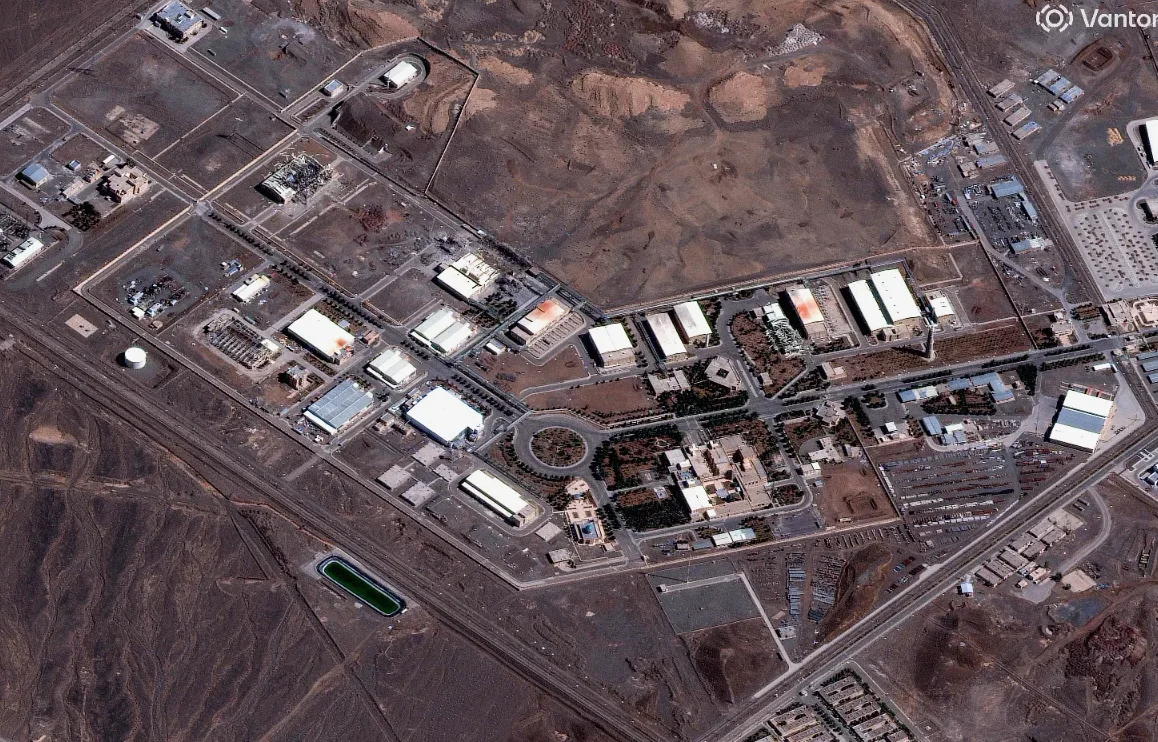
The Israeli military announced on Sunday that it had carried out a series of airstrikes targeting military infrastructure associated with the Iranian regime. According to the statement, the attacks specifically targeted F-14 fighter jets stationed at Isfahan International Airport, a key aviation hub in central Iran.
Escalation in Regional Tensions
The airstrikes come amid a sharp escalation in regional tensions, following a large-scale attack by the United States and Israel on Iran on February 28. That operation, which reportedly killed over 1,000 people—including Supreme Leader Ali Khamenei, more than 150 schoolgirls, and senior military officials—marked one of the most severe attacks on Iran in recent history.
Iran has since retaliated with a series of barrages targeting U.S. military bases, diplomatic facilities, and personnel across the Middle East. The attacks also extended to multiple Israeli cities, with the Iranian government accusing Israel and the United States of orchestrating the initial strike.
Impact on Regional Security
The Israeli airstrikes on Iranian military assets have raised concerns about the potential for further escalation in the region. Analysts warn that the attacks could trigger a new cycle of retaliation, with Iran possibly targeting Israeli interests or U.S. installations in the Middle East.
According to the Israeli military statement, the airstrikes were carried out in response to ongoing threats posed by Iran’s military capabilities. The statement did not provide further details on the number of targets struck or the extent of damage caused.
Iranian authorities have not officially commented on the reported attacks as of 0700 GMT on Monday. However, state media have reported increased military activity in several provinces, suggesting preparations for potential countermeasures.
Historical Precedents and Forward-Looking Concerns
This is not the first time Israel has conducted military strikes against Iran. In 2020, Israel reportedly carried out attacks on Iranian military positions in Syria, targeting weapons shipments and personnel. These incidents have often occurred in response to perceived Iranian threats to Israel’s security.
Analysts note that the current situation bears similarities to the 2020 escalation, but with the added complexity of the February 28 attack, which has deepened the rift between Iran and the West. The potential for further conflict remains high, with both sides having demonstrated a willingness to use military force.
Experts warn that the lack of official communication from Iran could lead to misinterpretations and miscalculations. “The absence of a clear message from Iran increases the risk of unintended escalation,” said one military analyst based in Tel Aviv.
With tensions at a critical juncture, the international community is closely watching for any developments that could lead to a broader conflict. Diplomatic efforts have so far failed to de-escalate the situation, and the U.S. and Israel are expected to make further decisions in the coming days.
The Israeli military’s statement did not confirm the success of the airstrikes in disabling the F-14 jets. However, the targeting of these aircraft suggests an effort to degrade Iran’s air defense capabilities, which could have strategic implications for future operations in the region.
As the situation continues to unfold, the world is left to wonder whether this latest strike will mark a turning point in the ongoing conflict between Israel and Iran, or if it will be followed by further retaliatory actions.






Comments
No comments yet
Be the first to share your thoughts