

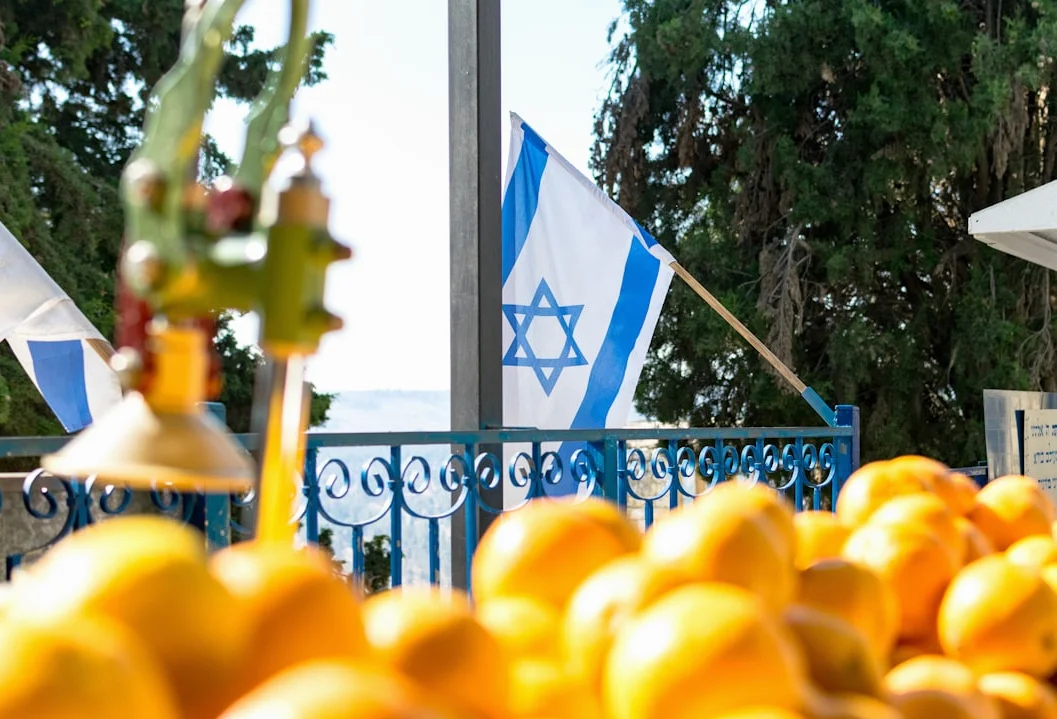
Israeli Prime Minister Benjamin Netanyahu posted a video message on his X handle to the people of Iran on Nowruz, the Persian New Year, amid ongoing rumors of his death circulating on social media platforms. In the video, Netanyahu wished the Iranian people a happy holiday, referencing the ancient festival of Chaharshanbe Suri, which symbolizes the triumph of light over darkness.
Political Messaging Amid Controversy
Netanyahu’s message came as tensions between Israel and Iran remain high, following a series of military actions and retaliatory strikes in late February. The Israeli leader’s office has repeatedly denied the rumors, stating that the Prime Minister is “fine” and that the reports are “fake news.”
Earlier in the week, a correspondent from the Anadolu Agency asked Netanyahu’s office if there was an official response to the growing claims on social media that he had been assassinated. The office dismissed the claims as false, affirming that Netanyahu is in good health and actively engaged in his duties.
The rumors gained traction after a clip of a press conference was shared on X, where some users claimed to notice an unusual feature—six fingers on Netanyahu’s right hand—suggesting the video might be . This fueled speculation about the authenticity of the footage and the possibility of deepfakes being used to spread misinformation.
Deepfake Concerns and Public Response
Following the controversy, Netanyahu released another video in which he appeared to be in a cafe in Jerusalem, interacting with civilians. This footage was shared on X and sparked further debate about whether the clip was genuine or artificially generated. In a separate video, Netanyahu’s ring on his finger appeared to disappear as he moved his arm, prompting more speculation and confusion among online audiences.
Experts and analysts have weighed in on the situation, emphasizing the growing concern over the use of deepfake technology in political discourse. “The spread of such misinformation can have serious consequences, especially in a politically charged environment,” said Dr. Sarah Cohen, a digital security expert at Tel Aviv University.
Netanyahu’s office has not commented on the deepfake allegations directly, but has continued to emphasize the authenticity of the Prime Minister’s public appearances and communications. “All of the Prime Minister’s statements and videos are verified and official,” the office stated in a recent press release.
The rumors surrounding Netanyahu’s death and the deepfake concerns have come at a time of heightened military activity between Israel and Iran. On February 28, Israel and the United States launched joint attacks against Iran, killing Supreme Leader Ayatollah Ali Khamenei. Iran retaliated by launching strikes against its oil-exporting neighbors, escalating the regional conflict.
Regional Tensions and Political Implications
The attacks and retaliations have raised concerns about the stability of the region and the potential for further escalation. According to the International Institute for Strategic Studies (IISS), the number of active military operations in the Middle East has increased by 25% since the beginning of 2024. Analysts warn that the ongoing conflict could have far-reaching consequences for global energy markets and regional security.
“The situation is highly volatile, and any further escalation could lead to a broader conflict involving multiple regional actors,” said Dr. Michael Harris, a Middle East analyst at the London School of Economics.
Netanyahu’s Nowruz message to the Iranian people is seen by some as an attempt to reach out to the Iranian population despite the ongoing hostility. However, others argue that the message is more of a political maneuver to deflect attention from the deepfake controversies and the broader conflict with Iran.
“While the message is a gesture of goodwill, it must be seen in the context of the ongoing military tensions and the domestic political climate in Israel,” said Dr. Rachel Green, a political scientist at Hebrew University.
As the situation continues to develop, the international community is closely watching the developments in the Middle East. The United Nations Security Council has called for de-escalation and a return to diplomatic dialogue, but progress has been slow. The next few weeks will be critical in determining whether the conflict can be managed or if it will spiral further into a regional war.
Meanwhile, Netanyahu’s office is preparing for the upcoming Israeli elections, which are expected to take place in late April. The Prime Minister’s ability to maintain public support and manage the ongoing crisis will be key to his re-election prospects.
The spread of misinformation and deepfake technology has become a growing concern for governments and security agencies worldwide. The Israeli government has been working with cybersecurity experts to identify and counter such threats, but the challenge remains significant.
As the rumors and controversies continue to swirl, one thing is clear: the situation in the Middle East is as volatile as ever, with no immediate signs of de-escalation. The people of Israel and Iran are caught in the middle, and the world is watching closely to see what comes next.


Comments
No comments yet
Be the first to share your thoughts