

 Al Jazeera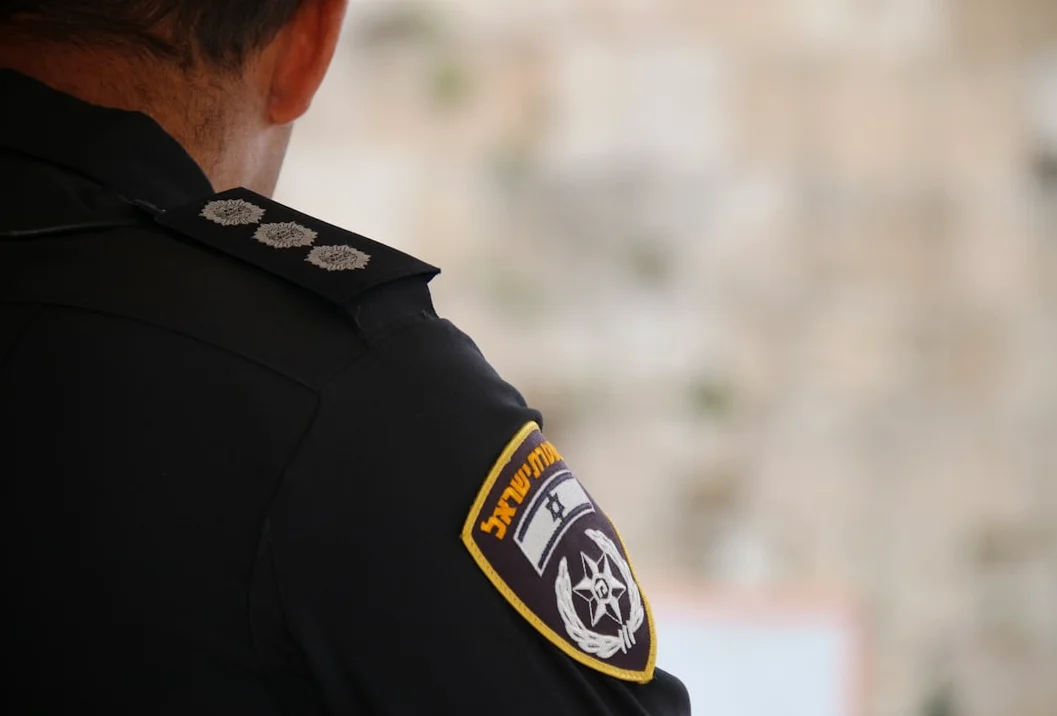
Israeli police prevented Cardinal Pierbattista Pizzaballa, the Latin patriarch of Jerusalem, from entering the Church of the Holy Sepulchre on Palm Sunday to conduct a Mass, according to Al Jazeera. This marked the first time in centuries that the heads of the Church were unable to celebrate the Palm Sunday Mass at the site, a key Christian holy place in Jerusalem.
Impact on Religious Practices
The Catholic Church confirmed that Pizzaballa and Francesco Ielpo, the official Guardian of the Church of the Holy Sepulchre, were both barred from entering the church. The incident has sparked widespread condemnation, with the Church calling the decision a ‘grave precedent’ that disregards the sensibilities of billions of people around the world.
The Church of the Holy Sepulchre. Believed to be the site of Jesus Christ’s crucifixion and resurrection, is one of the holiest sites in Christianity. The inability of its leaders to hold a Mass there on Palm Sunday, a key event in the Christian calendar, has raised concerns about the accessibility of religious sites in Jerusalem.
Israeli police cited safety concerns related to the ongoing war between Israel and Iran, stating that the Old City and holy sites are complex areas that hinder the movement of emergency and rescue vehicles. This, they said, poses a real risk to human life in the event of a mass casualty incident.
Broader Context of Restrictions
The restrictions on holy sites in Jerusalem are not new; During the Muslim month of Ramadan, which coincided with the war, Al-Aqsa Mosque was also closed to worshippers. This has led to growing concerns about the impact of political tensions on religious freedom in the region.
The Catholic Church had already announced the cancellation of the traditional Palm Sunday procession, but it strongly criticized Israel’s decision to block Pizzaballa and Ielpo from entering the church. The Church described the move as a ‘manifestly unreasonable and grossly disproportionate measure’ that violates the principles of reasonableness, freedom of worship, and respect for the status quo.
In a statement to the AFP news agency, Israeli police said that Pizzaballa’s request to deliver the Catholic Mass to mark Palm Sunday could not be approved. The police emphasized the challenges posed by the complex nature of the Old City and the need to ensure public safety in the region.
Despite the cancellation of the procession, the incident has drawn sharp criticism from several world leaders. Italian Prime Minister Giorgia Meloni called the action an ‘offence not only to the faithful, but to any community that respects religious freedom.’ Italian Foreign Minister Antonio Tajani also summoned Israel’s ambassador to discuss the matter.
French President Emmanuel Macron condemned the decision, stating that worship ‘for all religions’ must be guaranteed in Jerusalem; his comments reflect broader concerns among European nations about the impact of political tensions on religious practices in the region.
The incident has raised questions about the future accessibility of religious sites in Jerusalem — With tensions between Israel and Iran continuing, the situation remains uncertain. The Catholic Church has called for a review of the decision and emphasized the importance of preserving the status quo in the holy city.
Analysts suggest that the blockade of the cardinal could have long-term implications for religious diplomacy and interfaith relations; the incident may also prompt further discussions on the role of international bodies in ensuring religious freedom and access to holy sites in Jerusalem.
As the conflict between Israel and Iran escalates, the accessibility of religious sites in Jerusalem will remain a critical issue — the Catholic Church and other religious communities are likely to continue advocating for the protection of their rights to worship freely in the holy city.
The blockade of Cardinal Pizzaballa has also drawn attention to the broader issue of religious freedom in conflict zones. With the war on Iran continuing. The situation in Jerusalem is likely to remain tense, and the accessibility of religious sites will remain a key concern for the international community.






Comments
No comments yet
Be the first to share your thoughts