

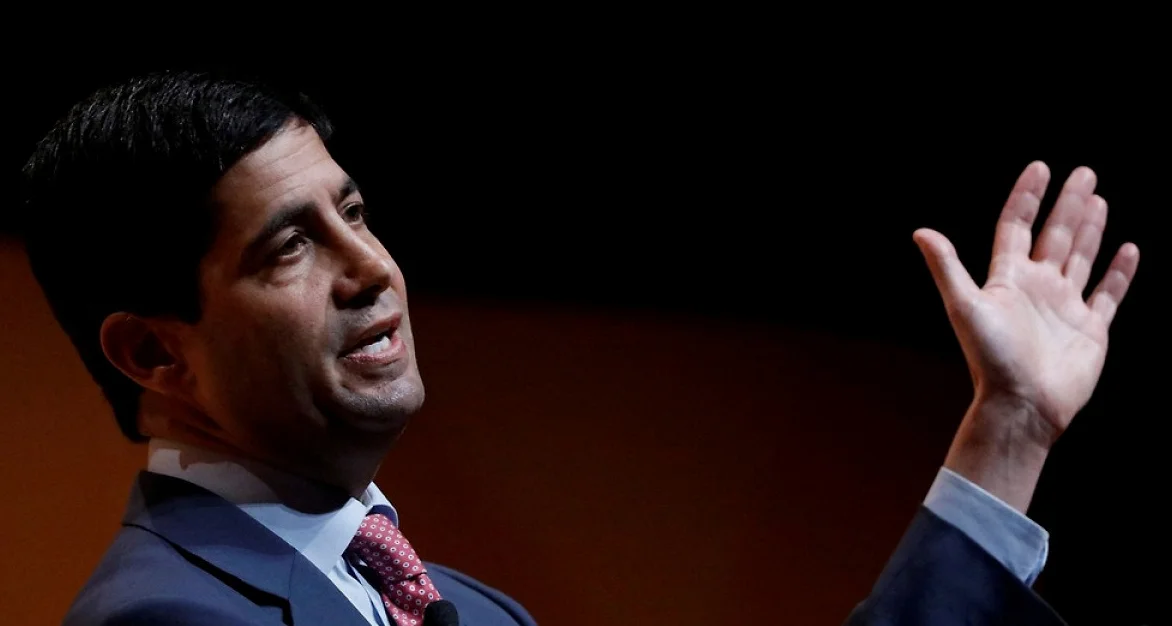
Janet Yellen. The first woman to hold several top U.S. economic leadership roles, will be inducted into the National Women’s Hall of Fame in 2026; Founded in 1969 in Seneca Falls, N.Y., the hall inducts around half living and half historical women each year. Yellen, who has served as Federal Reserve chair, Treasury secretary, and White House economic advisor, described the honor as ‘very special’ and tied to the broader narrative of women’s advancement in the U.S.
Yellen’s Historic Career and Impact
Yellen is the only person to hold the so-called “big three” U.S. economic leadership positions: chair of the Federal Reserve, Treasury secretary, and chair of the White House Council of Economic Advisers. Her career has been marked by numerous “firsts,” including being the first woman to lead the Fed. During a conversation with Fortune. Yellen reflected on her journey, noting that she often found herself as the only woman in meetings in academia and international settings; “I see myself as having benefited from what generations before did and inspired me,” she said; “And I hope my story can inspire future generations.”
Presidential Influence and Leadership Transitions
Yellen’s path to leadership was not without political scrutiny. During the 2017 Federal Reserve chair nomination process, then-President Donald Trump expressed mixed views on her candidacy. “I like her, and I respect her… but I’d like to put my own stamp on it,” Trump reportedly said, according to Korean-language media. Trump also praised other candidates, including Kevin Warsh, whom he described as “a smart guy” and “someone who looks the part.” Ultimately, Trump chose Jerome Powell instead of Yellen for the Fed chair role. This marked a turning point in U.S. economic leadership and reflected the political dynamics of the time.
International Economic Diplomacy and U.S. Debt Concerns
While Yellen was in Washington, she also engaged in international economic diplomacy. In a recent visit to Vietnam, Yellen met with top officials including Deputy Prime Minister Trần Tuấn Anh and Governor of the State Bank of Vietnam Nguyễn Thị Hồng. The discussions focused on strengthening economic ties, improving supply chain resilience, and expanding U.S. investments in high-tech sectors. U.S. officials emphasized the importance of Vietnam in America’s Indo-Pacific strategy.
Separately, Federal Reserve Chair Jerome Powell has raised concerns about the U.S. national debt, which recently reached $39 trillion. Powell warned that while the debt level is not an immediate threat, it is on an “unsustainable trajectory” and will require legislative action. “If we don’t take action soon, we won’t have a good ending,” he said. However, he stopped short of calling for full repayment, instead advocating for fiscal policies that promote growth faster than debt accumulation. He also noted that fiscal policy is outside the Fed’s jurisdiction and acknowledged that such warnings are often ignored in Washington.






Comments
No comments yet
Be the first to share your thoughts