

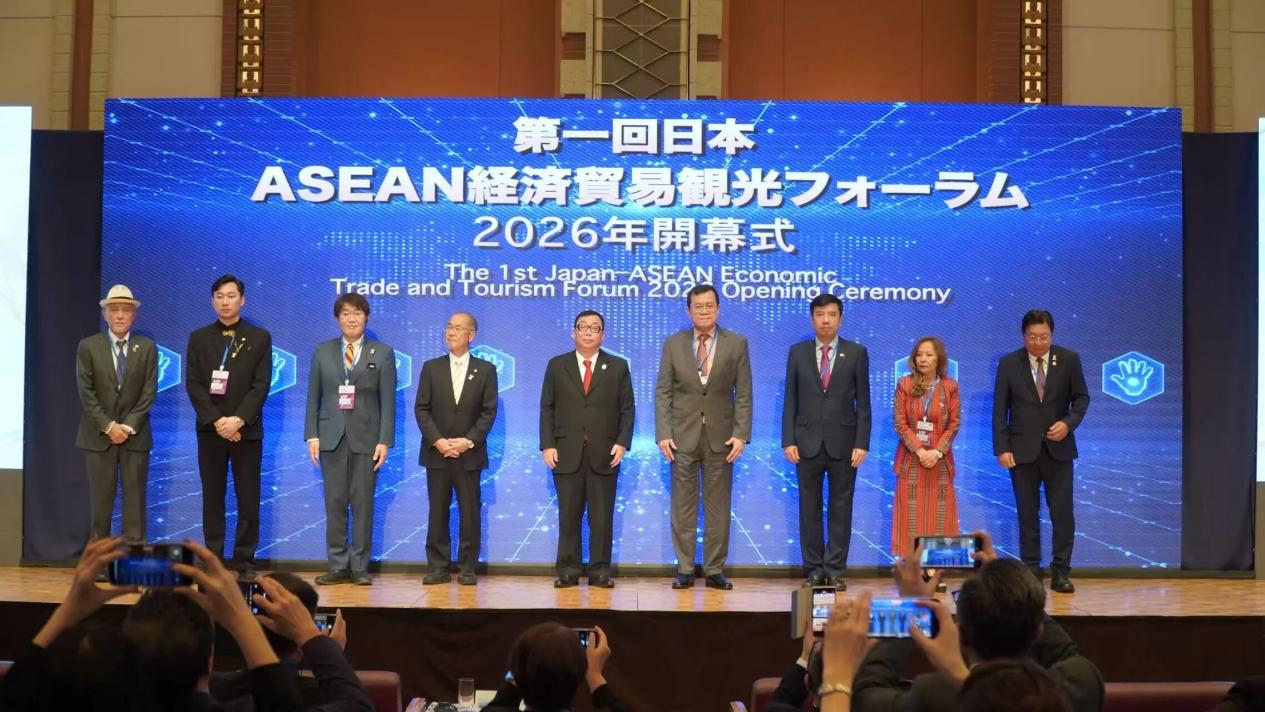
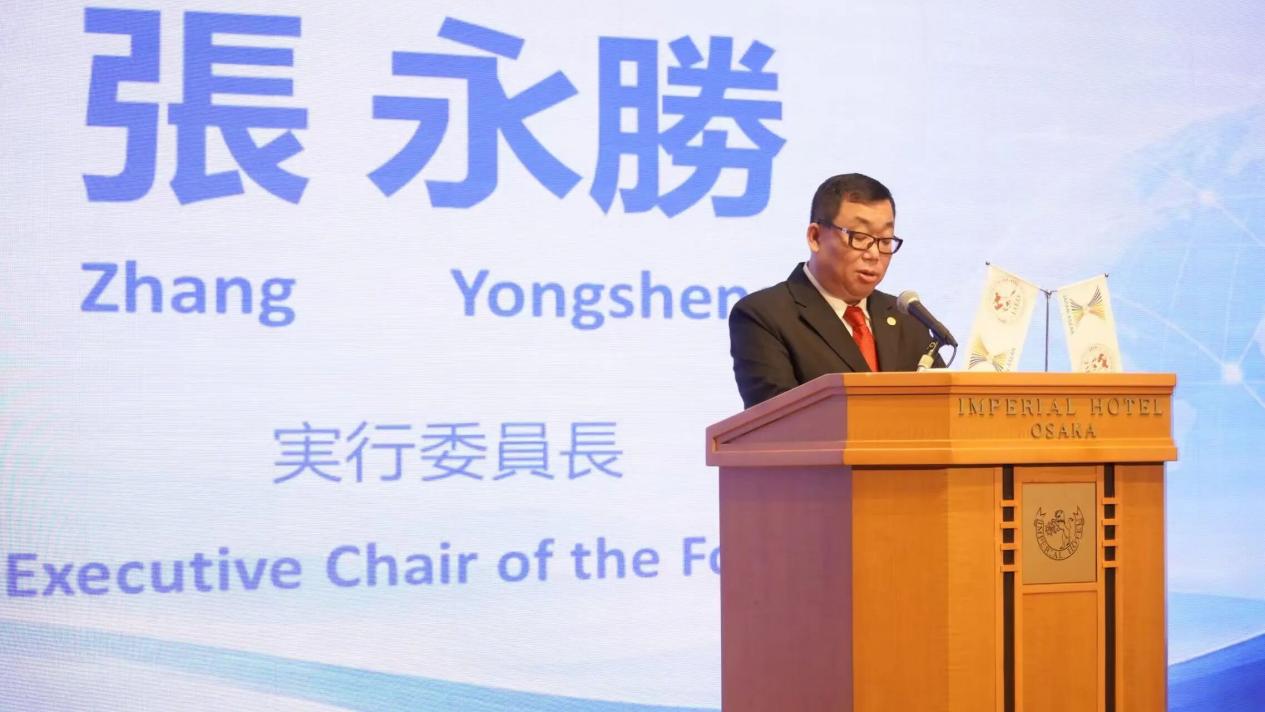
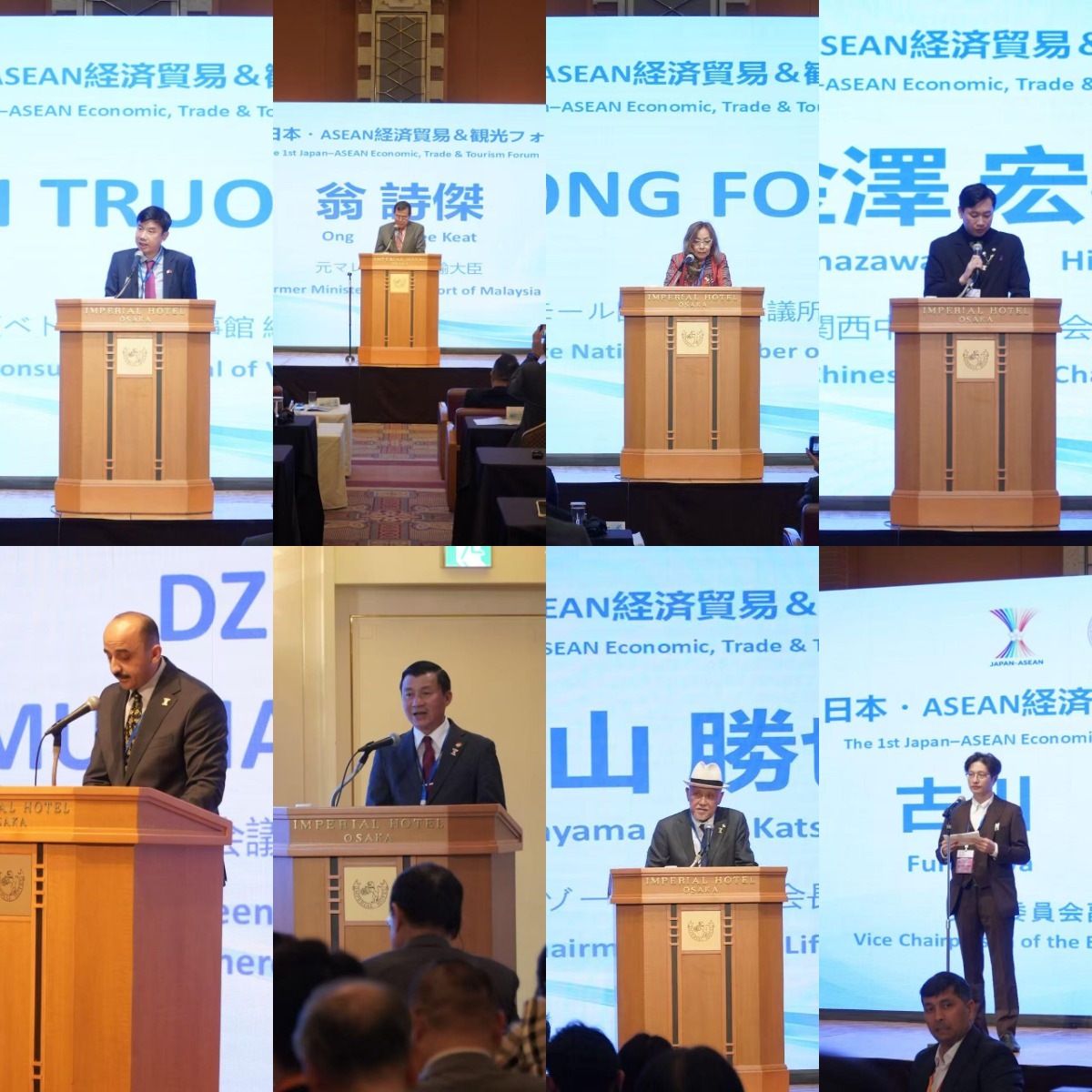
At the opening ceremony, speakers from various countries, drawing on broad trends in regional development, delivered keynote remarks on core themes including Japan–ASEAN connectivity, two-way investment cooperation, the upgrading of cross-border trade, joint development of the culture and tourism industries, and helping small and medium-sized enterprises operate across borders. In his opening address, Zhang Yongsheng, Chair of the forum’s Executive Committee and President of the Chinese Chamber of Commerce in Kansai, noted that Osaka, as the core hub of western Japan’s economy, commerce, culture and tourism, and international exchange, is an important strategic pivot connecting the markets of East Asia, ASEAN and Central Asia. Global and regional economic and trade cooperation is now deeply integrated, he said, and the industries of Japan, ASEAN and Central Asian countries are highly complementary, with broad room for cooperation and enormous development potential. The successful launch of the forum has created a high-level, professional and pragmatic platform for government and business players from all countries to connect and cooperate. Taking the forum as a new starting point, all parties will deepen mutual trust and exchanges, consolidate the foundations of cooperation, broaden its scope, and regularly advance bilateral and multilateral trade and investment, industrial collaboration, resource sharing and talent exchange, continuously supporting high-quality, coordinated regional economic development.
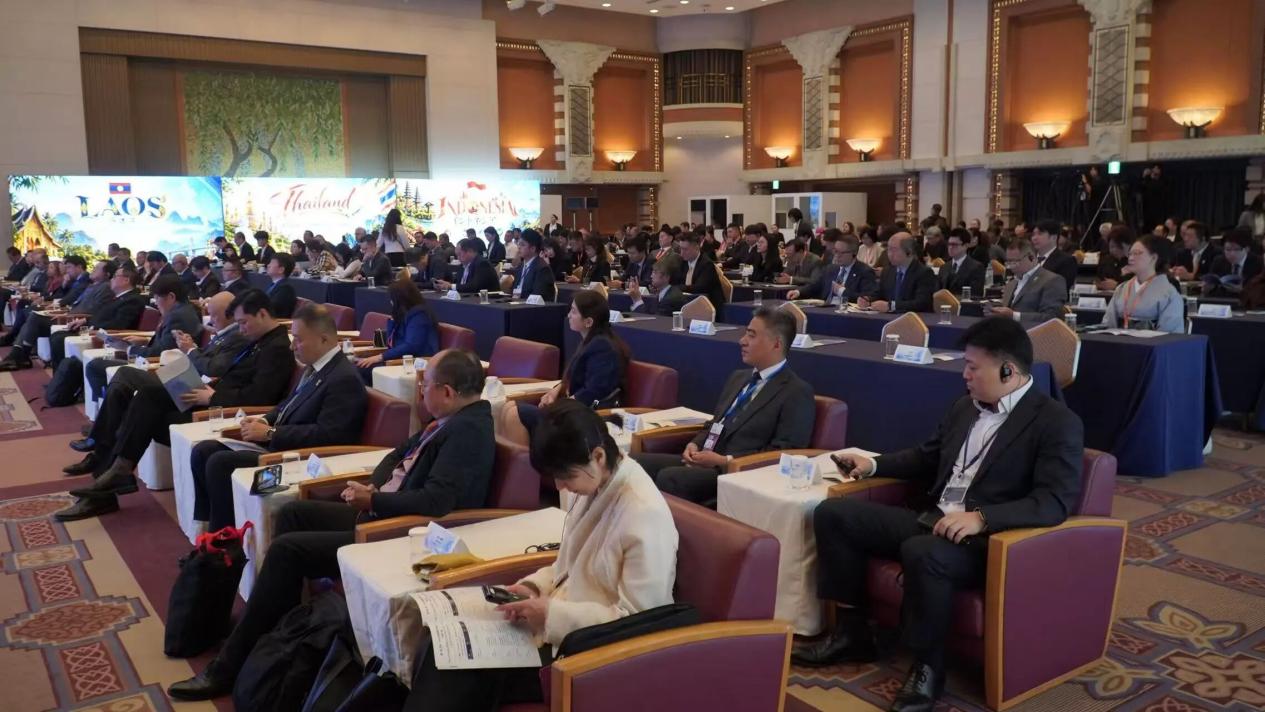
After the opening ceremony, the first day’s two main thematic sessions, the Investment and Trade Forum and the Culture and Tourism Forum, were held in succession. Drawing on Osaka’s advantageous commercial location and the institutional benefits of the Regional Comprehensive Economic Partnership (RCEP), they aimed to promote practical economic, trade, cultural and tourism links among Japan, China and ASEAN. At the investment and trade session, entrepreneurs, industry experts and representatives of chambers of commerce and business associations from various countries held in-depth discussions and targeted exchanges on key issues including improving the cross-border investment environment, innovative models of international trade, the implementation of cross-border projects, coordination of industrial and supply chains, two-way investment promotion, and the internationalization of small and medium-sized enterprises. Participants showcased their industrial strengths, shared market resources and matched cooperation needs. Talks on site were lively, and consensus was reached on a number of intended cooperation projects, laying a solid foundation for future cross-border trade projects and the expansion of two-way trade.
The culture and tourism session was moderated by Wang Wei, former Chief Representative in Tokyo of China’s Ministry of Culture and Tourism and adviser to the China National Tourist Office in Osaka. Focusing on the integrated development of the cross-border culture and tourism industry, the session held in-depth discussions on cutting-edge topics such as integrating cross-border cultural and tourism resources, jointly developing international tourism routes, co-creating cultural and tourism IP, innovation in combining business and leisure travel, and coordinated regional culture and tourism development. Jiang Qing, Director of the Cultural Tourism Research and Development Center at the Institute of Urban-Rural Planning & Design, Xiamen University, delivered a keynote speech titled “Digital Tourism and Cultural Heritage Transmission: China’s Explorations.” He first recalled the “Xiamen City Theme Day” held at the China Pavilion of Expo 2025 Osaka, Kansai on June 1 last year. During the Expo, China’s XR immersive films and the digital exhibition “Tang Architecture: Building Timeless Glory” were successfully showcased, marking a new attempt to bring Chinese cultural IP to the Japanese market through immersive experiences. He also highlighted the China–ASEAN Youth Exchange Camp co-hosted by Xiamen University and the ASEAN Foundation in the summer of the year before last, during which youth representatives from China and the ten ASEAN countries visited digital economy enterprises in Xiamen and Quanzhou and experienced Hanfu, the cultural tourism of Gulangyu Island, and more.
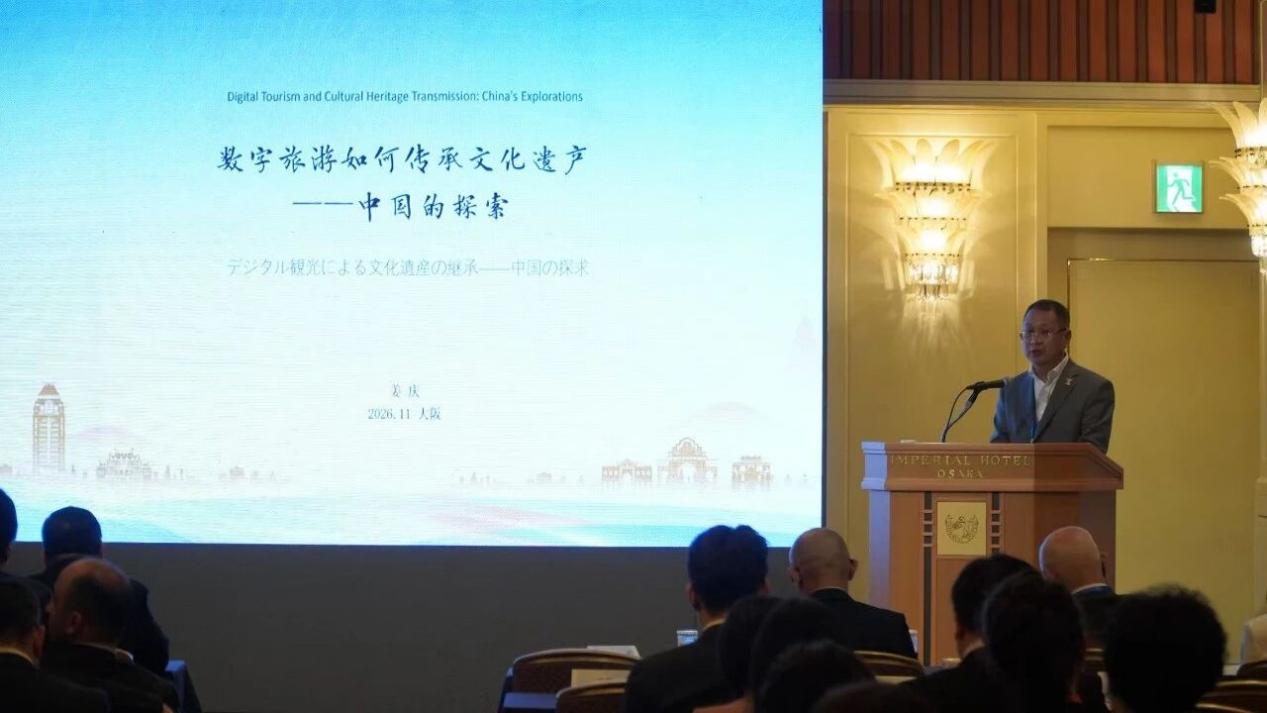
Jiang said digital tourism can effectively balance the protection and development of cultural heritage, playing at least two key roles: first, “relieving pressure” by easing visitor loads on physical heritage sites; and second, “extending reach” by carrying the value of cultural heritage to corners that the physical relics themselves cannot reach. Drawing on his current work on drafting China’s industry standards for health tourism, he pointed out that traditional Chinese medicine is a very special form of intangible cultural heritage. Jianzhen (Ganjin), through his eastward voyage to Japan, systematically introduced traditional Chinese medicine there and is revered as “the founding father of Kampo medicine in Japan.” In September this year, the Canal Economic and Cultural Exchange Center was officially inaugurated in Yangzhou, China, and one of its main tasks is to promote China–Japan economic, cultural and tourism exchanges centered on the departure point of Jianzhen’s voyage. In May this year, the China–ASEAN Journalism and Communication Education Alliance was officially established at an international academic conference on the theme of “Global Communication and Global Governance” held at Xiamen University. Concluding his speech, Jiang said, “Even the finest wine fears a deep alley. However good an experience is, it needs to be widely shared and exchanged.” He expressed his hope to exchange experience with culture and tourism counterparts in Japan, ASEAN and across Asia, and to jointly explore a brilliant future for the digital protection and transmission of cultural heritage.
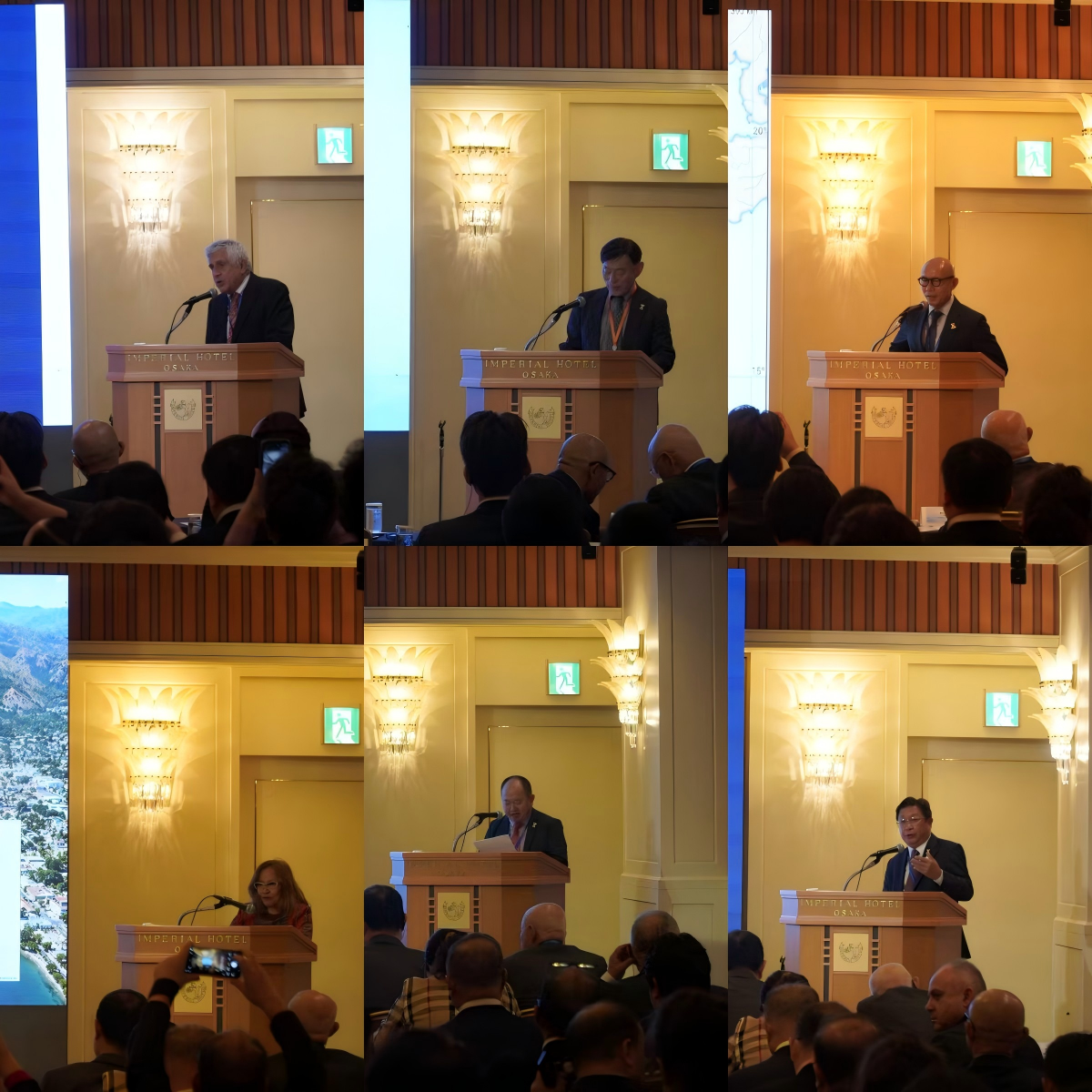
Representatives from various countries who spoke in turn also drew on their own cultural and tourism resources and industrial strengths to explore new models and pathways for multilateral culture and tourism cooperation, helping the culture and tourism industries of Japan, China, ASEAN and Central Asia empower one another, achieve mutual benefit and develop in tandem.
On November 3, the forum also held a Culture and Education Exchange Forum, focusing on international cultural and educational cooperation, cross-border academic exchange, joint talent cultivation, people-to-people exchanges among young people, and the blending of international culture and the arts. This further enriched the substance of multilateral cooperation and helped build a new three-dimensional, multi-level and all-round pattern of regional cooperation, led by economic, trade and investment ties, linked through the culture and tourism industries, and deepened through cultural, educational and people-to-people exchanges.
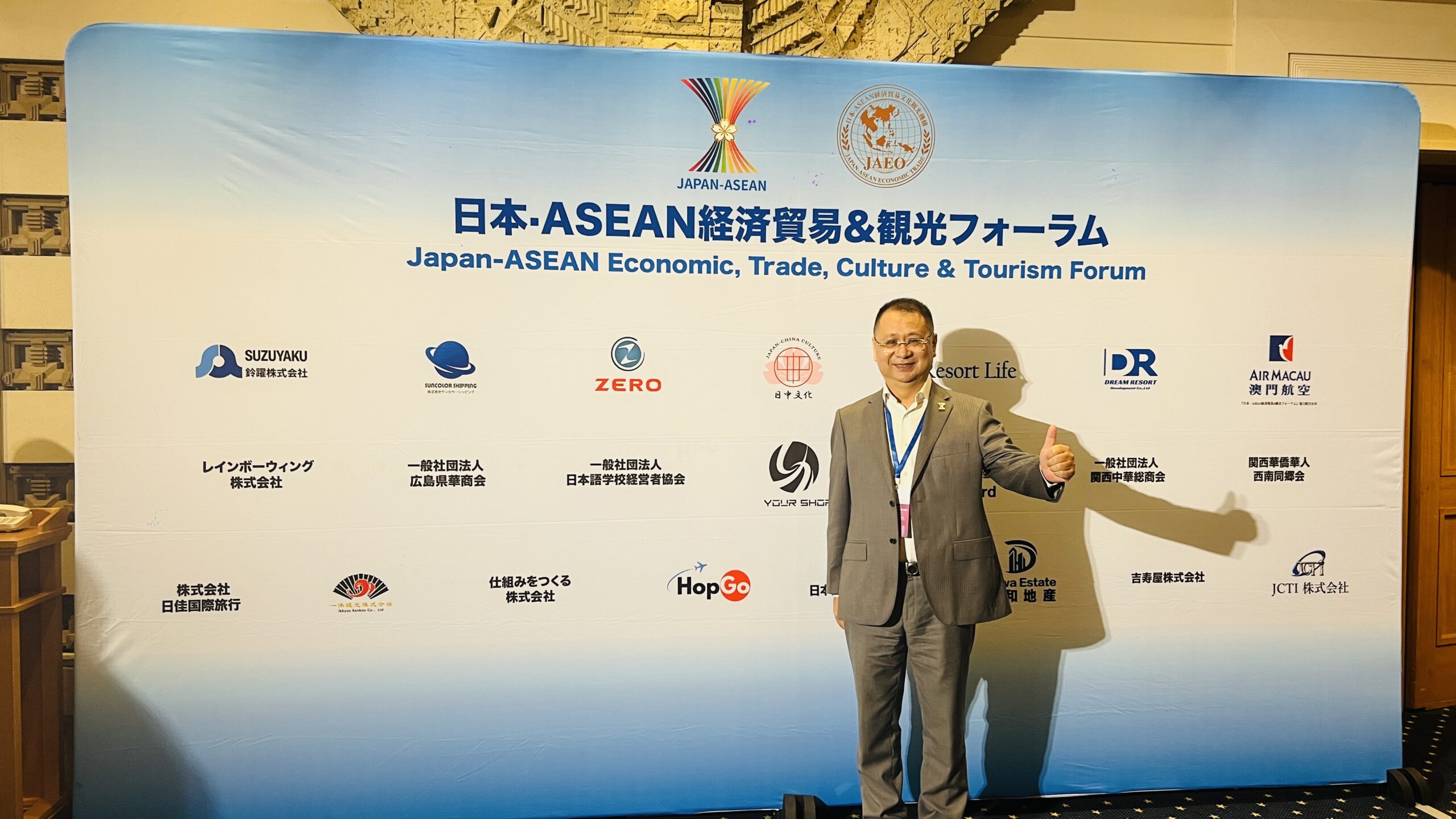
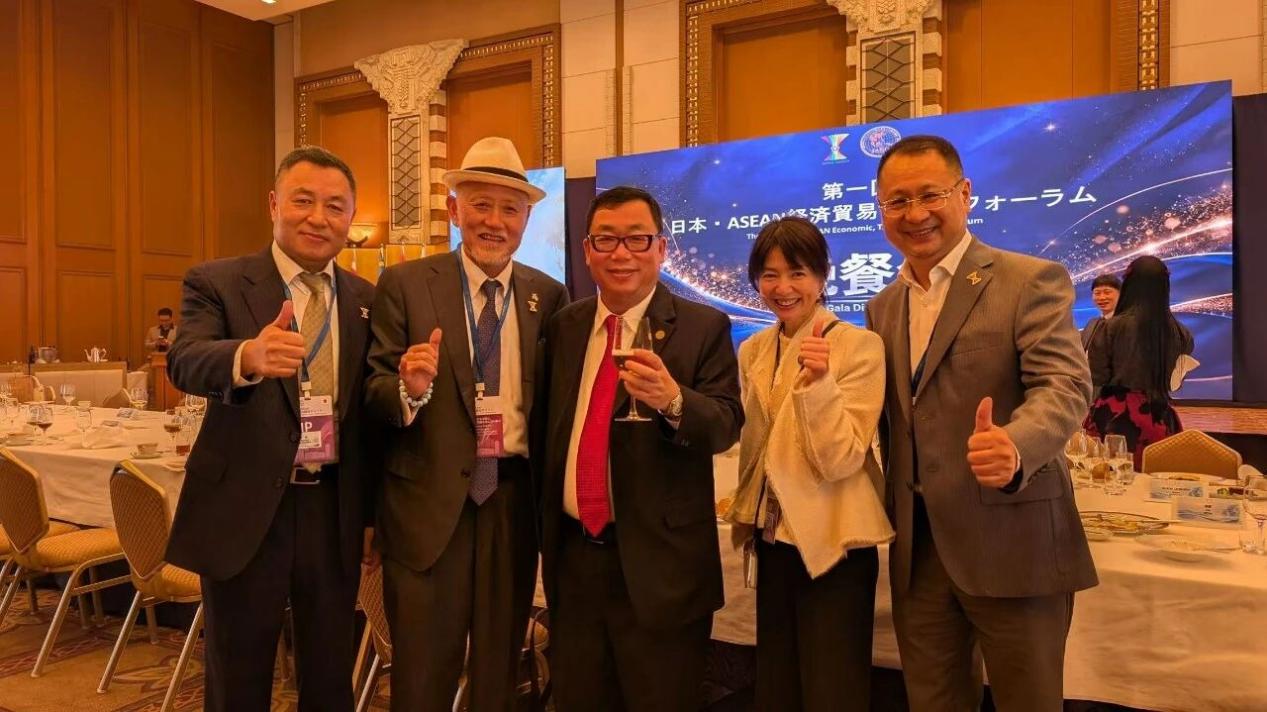
The successful holding of the first Japan–ASEAN Economic, Trade, Culture & Tourism Forum has effectively opened channels for business cooperation and people-to-people exchanges between Osaka and ASEAN, Central Asia and other Asian countries, further raising the international standing of multilateral economic, trade, culture, tourism, and cultural and educational exchanges in western Japan. Going forward, the forum will establish a long-term, regular exchange mechanism to continuously pool the cooperative strength of all countries, tap the potential of multilateral cooperation and deliver more practical results, contributing to regional connectivity, mutual benefit and common prosperity.
Source: World Headlines. Reported by Luo Fujin.



Comments
No comments yet
Be the first to share your thoughts