

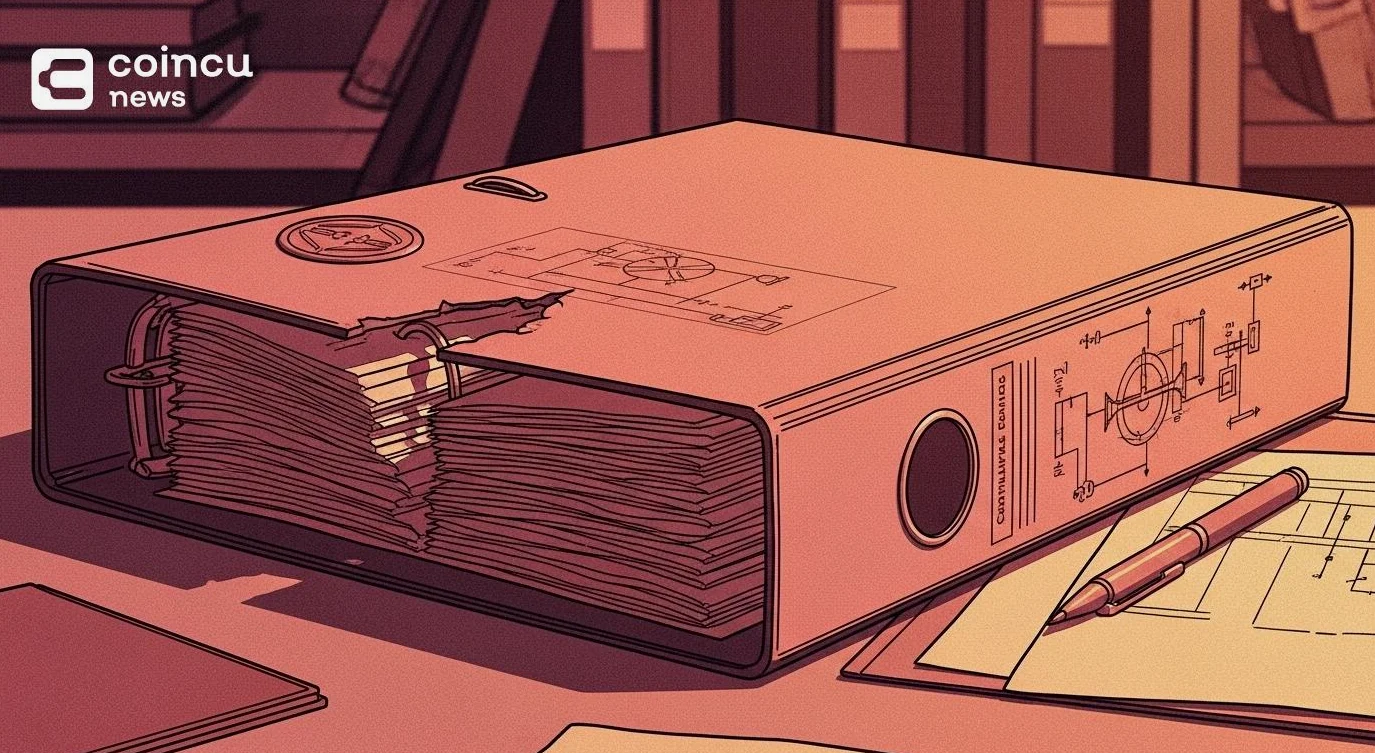
Efforts to revive the 2015 Joint Thorough Plan of Action (JCPOA) have hit a roadblock as Iran and the United States continue to clash over key terms, particularly uranium enrichment levels and the conditions for lifting sanctions. Despite the White House’s assertion that Tehran is seeking an agreement, Iranian officials have been more cautious, emphasizing the need for a process that includes verification mechanisms and indirect communication.
Indirect Negotiations and Verification Concerns
Tehran has explicitly rejected face-to-face talks with the U.S., instead opting for indirect negotiations through a mediator, as reported by The Guardian. Iranian Foreign Minister Abbas Araghchi has framed this approach around a ‘wall of mistrust’ that persists between the two nations, suggesting that any progress would require de-escalation measures and a clear framework for verification.
The IAEA’s role in monitoring compliance is central to any agreement. According to Axios, experts suggest that an interim package could involve Iran suspending certain enrichment activities, diluting higher-purity uranium stockpiles, and allowing more extensive inspections. These steps, if verified by the IAEA, could pave the way for limited, phased sanctions relief.
However, the feasibility of such a deal is being questioned by analysts. James Acton, a nuclear policy expert from the Carnegie Endowment, told Le Monde that achieving a deal better than the original JCPOA is unlikely given the technical and political hurdles both sides face. The stakes are high, as the terms of the agreement would determine Iran’s ability to enrich uranium, the size of its stockpiles, and the extent of IAEA inspections, all of which affect the timeline for a potential breakout scenario.
Domestic Politics and Negotiating Use
Inside Iran, domestic political dynamics are shaping the negotiating landscape. Ayatollah Ali Khamenei, Iran’s supreme leader, has reportedly criticized talks under pressure, calling them ‘not intelligent, wise, or honorable’ as quoted by AP News. His stance reinforces the need for Iran to maintain a strong position in negotiations, particularly on the issue of domestic uranium enrichment capabilities.
Tehran has prioritized preserving its indigenous enrichment capacity, a key component of its nuclear program. According to Al Jazeera, Iran is resisting any linkage between its nuclear activities and its missile and defense programs, which limits the scope for major concessions. This position is reinforced by the use of indirect channels to manage domestic and international political risks.
Iran’s willingness to allow expanded IAEA access is conditional. Officials have indicated that enhanced inspections could be possible if the steps are reciprocal and calibrated. This suggests that Iran is open to negotiations that include verification mechanisms, but only within a framework that builds confidence and ensures mutual benefits.
U.S. Demands and the Path Forward
The U.S. has been pushing for stricter limits on uranium enrichment and more strong verification measures. As reported by Middle East Monitor, Senator Marco Rubio has called for Iran to abandon enrichment altogether, reflecting the broader U.S. position that any deal must include a complete cessation of enrichment activities.
Washington is also seeking a phased approach to sanctions relief, with each tranche contingent on Iran’s compliance with specific conditions. This approach aligns with the original JCPOA, which tied sanctions relief to Iran’s adherence to enrichment limits and IAEA inspections. However, the current negotiations are exploring an interim package that could include a temporary pause on higher-level enrichment, dilution of existing stockpiles, and expanded IAEA access in exchange for limited, sequenced sanctions relief.
The IAEA’s role in verifying compliance will be critical. The agency would need expanded access and timely data to confirm that Iran is adhering to the agreed-upon steps before any sanctions relief is granted. This verification-first approach is seen as a way to build trust and ensure that both sides are held accountable under the terms of any agreement.
Despite these potential steps, the path to a deal remains uncertain. Both sides have firm positions that are unlikely to be easily compromised. The U.S. seeks stronger restrictions on enrichment, while Iran insists on maintaining its enrichment capacity and resisting any linkage to its missile program. These differences, coupled with the political challenges in both countries, suggest that the negotiations could take months or even years to reach a resolution.
As the talks continue, the focus will be on finding a middle ground that allows for incremental progress without compromising the core interests of either side. The success of these negotiations will depend on the ability of both nations to build trust and find a framework that addresses their concerns in a balanced and verifiable manner.



Comments
No comments yet
Be the first to share your thoughts