

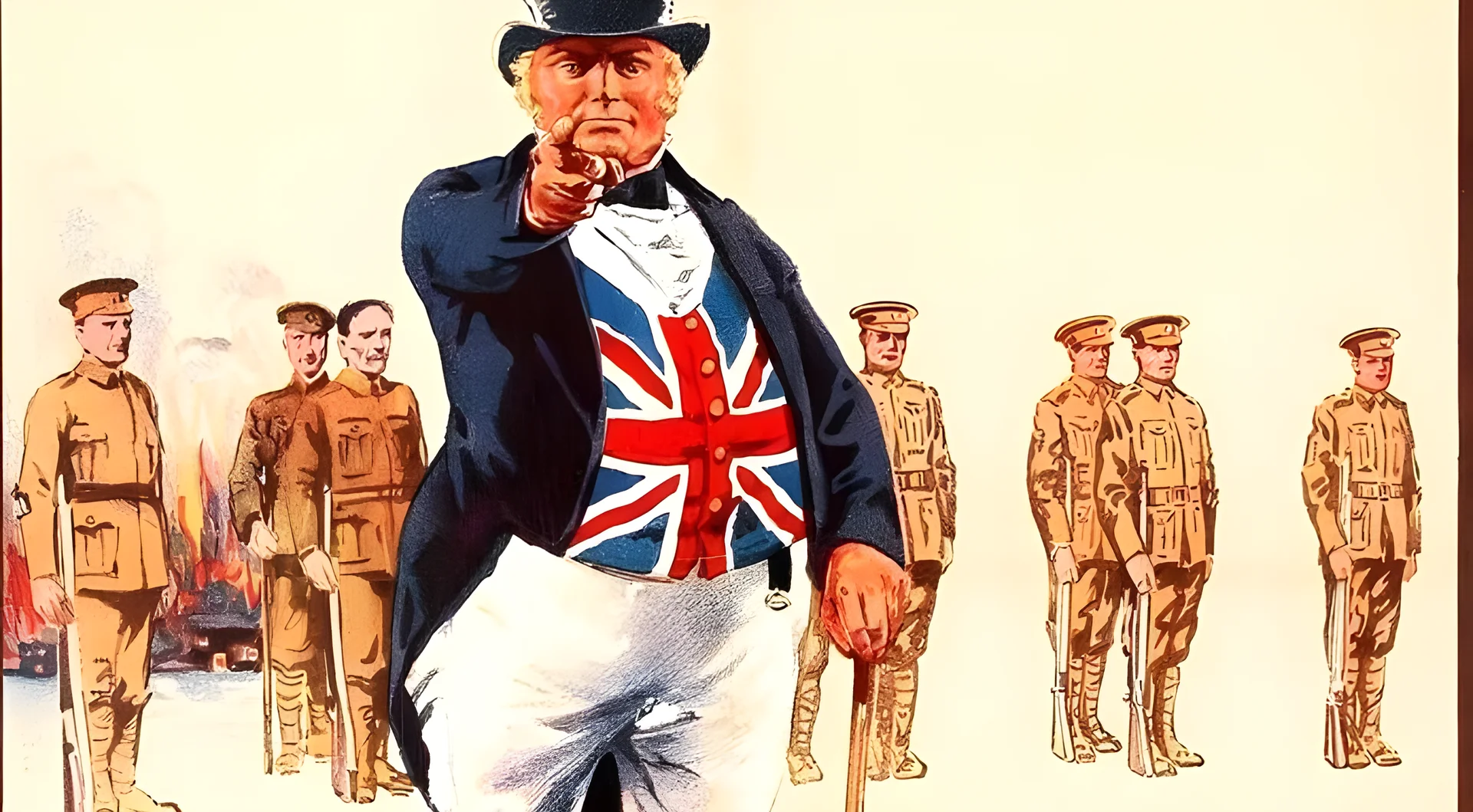
John Cleese, best known for his role in the Monty Python comedy troupe, has expressed concern that his free speech could now be classified as a criminal act in the United Kingdom. The 86-year-old comedian, who has long been a critic of certain cultural and political trends, warned in a recent interview that his views on Islam and Western culture could make him a target under the government’s new speech regulations.
Free Speech Under Scrutiny
Cleese said that the Labour government’s new guidelines on speech, which include a crackdown on cultural nationalism, may label him as a terrorist or a criminal for voicing his concerns. He described himself as an “Islamosceptic” and warned that his criticism of certain policies could now be seen as dangerous or extremist.
“I’m clearly a terrorist, so I’m afraid they are going to have to arrest me,” Cleese said in the interview, echoing the darkly humorous tone of his comedic persona but with a serious undertone.
Escalating Crackdown on Expression
The UK government, led by Prime Minister Keir Starmer, has been accused of increasingly criminalizing speech that challenges prevailing social norms. Recent guidelines state that views on cultural nationalism or the perceived threat to Western culture from mass migration are being treated as dangerous ideologies.
This follows a string of high-profile cases where individuals were arrested or convicted for expressing controversial opinions, sometimes over seemingly trivial matters. In one case, a man was convicted for sending a tweet while drunk that referenced dead soldiers. Another was arrested for wearing an anti-police t-shirt. A teenager was even arrested for protesting outside a Scientology center with a sign calling the religion a “cult.”
Legal Precedents and Concerns
The situation has raised alarm among free speech advocates. Last year, Nicholas Brock, 52, was convicted of a “thought crime” in Maidenhead, Berkshire, for holding neo-Nazi views. The court ruled that his “toxic ideology” posed a threat to public safety, despite no evidence that he had spread his views beyond his home.
Judge Peter Lodder QC dismissed concerns about free speech, stating, “I do not sentence you for your political views, but the extremity of those views informs the assessment of dangerousness.” The ruling drew criticism from free speech advocates, who argue that it sets a dangerous precedent.
Following the sentencing, Detective Chief Superintendent Kath Barnes, Head of Counter Terrorism Policing South East, warned that Brock was arrested because of his “clear right-wing ideology” and that the government is committed to “tackling all forms of toxic ideology.”
International Concerns and Legal Parallels
The UK’s approach to free speech has drawn comparisons to Ireland’s proposed Criminal Justice (Incitement to Violence or Hatred and Hate Offences) law, which criminalizes the possession of material deemed harmful or racist. The law explicitly targets the “condoning, denying or grossly trivialising” of genocide, war crimes, and other serious offenses.
Critics argue that such laws represent a significant threat to free expression. The Brock case, in particular, has been cited as a warning of what may come next. Home Secretary Yvette Cooper previously vowed to crack down on individuals promoting “harmful and hateful beliefs,” including extreme misogyny.
Now, some of the UK’s most prominent writers and comedians, including JK Rowling and John Cleese, fear they may be targeted under these new laws. The situation has left many wondering whether free speech in the UK is now as fragile as Cleese’s famous parrot, which he once described as “bleedin’ demised…passed on! … no more! … ceased to be! … expired and gone to meet it’s maker!”
The UK government has not commented on Cleese’s remarks, but the issue is likely to remain in the public eye as the debate over free speech continues. Legal experts warn that the line between legitimate criticism and criminalized expression is becoming increasingly blurred.
With the government’s crackdown on speech intensifying, many fear that the UK may soon face a constitutional crisis over the balance between national security and individual freedoms.





Comments
No comments yet
Be the first to share your thoughts