

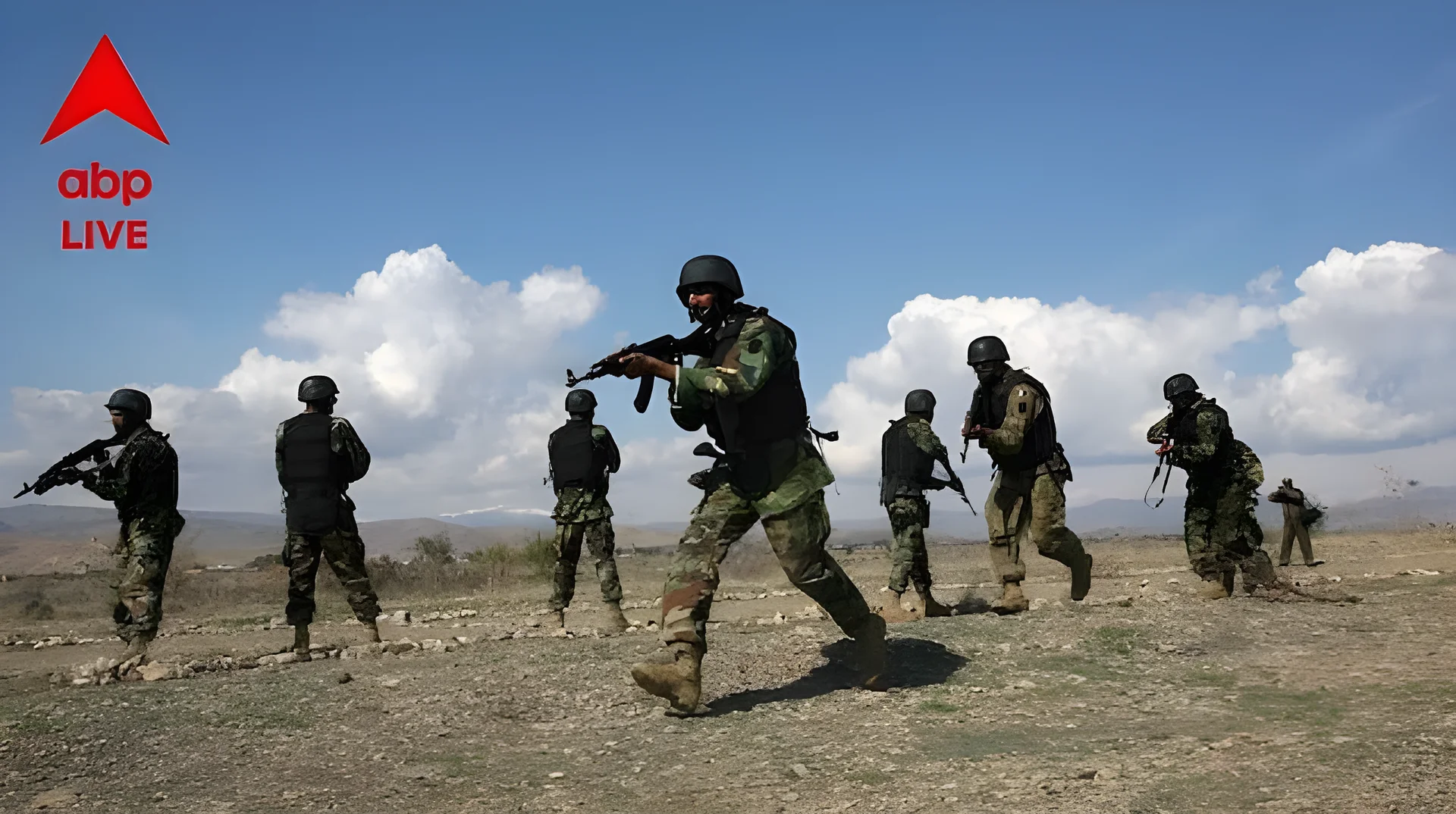
The air above the Afghan-Pakistani border has grown increasingly volatile, with recent strikes marking a dangerous escalation in regional hostilities. At the center of this conflict lies Kam Air, an Afghan private airline whose fuel depots were bombed in what has been described by Afghan officials as an act of aggression against civilian infrastructure. The strikes, carried out by Pakistan’s military, have not only disrupted the airline’s operations but have also reignited a long-standing dispute over sovereignty, security, and the delicate balance of power in the region.
The Attack on Kam Air
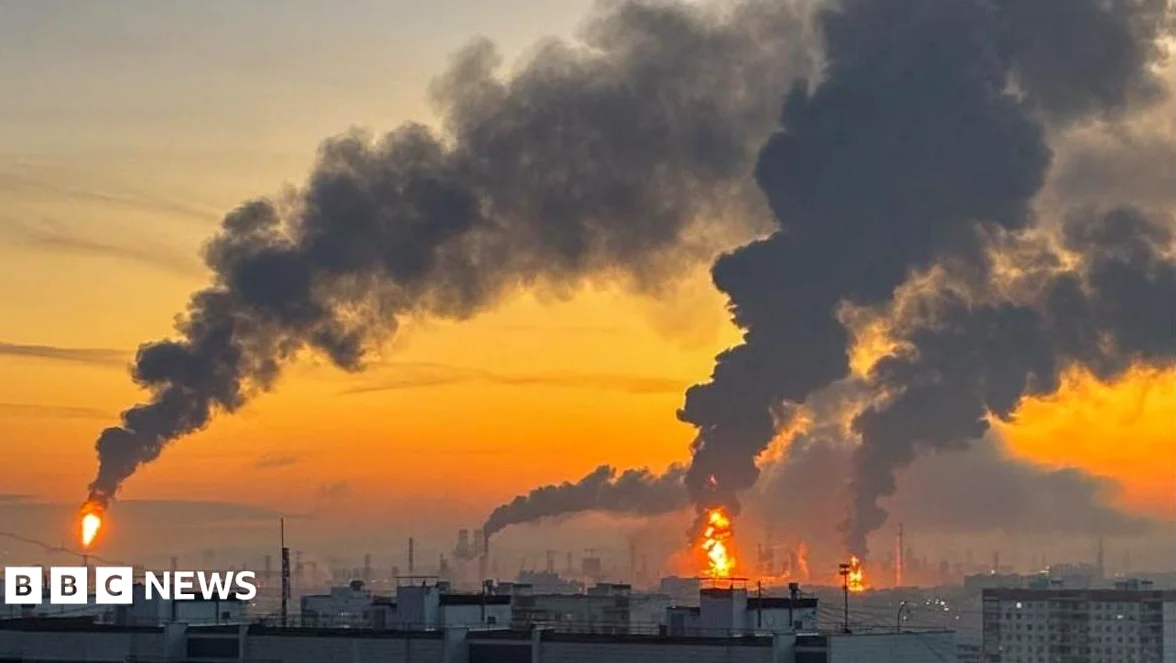
On Friday, Pakistani military aircraft struck fuel depots at Kandahar Airport, a critical hub for both domestic and international flights. The attack, according to Afghan officials, targeted Kam Air’s fuel reserves, which were intended for the Hajj pilgrimage season. The strikes raised immediate concerns about the safety of civilian aviation infrastructure and the broader implications for regional stability.
Kam Air, a significant player in Afghanistan’s aviation sector, provides essential services for both national and international travel. The fuel depot in Kandahar is a vital link in the chain of operations that supports not only the airline’s own flights but also those of the United Nations and other international organizations. The damage to these facilities has the potential to disrupt humanitarian efforts and the movement of aid, adding another layer of complexity to an already fragile situation.
Regional Tensions and Escalation
The strikes come amid a growing cycle of cross-border attacks between Pakistan and Afghanistan. Pakistan has accused the Afghan Taliban government of harboring militants responsible for attacks within its borders, while Afghanistan has denied these allegations, insisting that its territory is not being used as a base for such operations. The latest conflict, which began in late April, has seen both sides conducting aerial and ground attacks, resulting in civilian casualties and damage to infrastructure.
Pakistan’s President Asif Ali Zardari has accused the Afghan government of “crossing a red line” by launching drone attacks on civilian areas in Pakistan. He warned that the actions of the Afghan authorities would bring “grave consequences upon itself.” In response, Afghanistan has accused Pakistan of conducting airstrikes in Kabul and other areas, resulting in civilian deaths and injuries.
The situation has drawn sharp condemnation from India, which has long been a vocal critic of Pakistan’s actions in the region. India’s External Affairs Ministry spokesperson, Randhir Jaiswal, called the Pakistani strikes “yet another act of aggression” and reiterated India’s stance that Afghanistan’s sovereignty and territorial integrity must be respected. This aligns with India’s broader strategic position of opposing any external interference in Afghanistan’s affairs.
Historical Context and Patterns of Conflict
The current tensions between Pakistan and Afghanistan are not new. The two countries have a history of border disputes, with each accusing the other of harboring militant groups that conduct attacks within their own territories. Pakistan has frequently accused Afghanistan of providing sanctuary to the Tehreek-e-Taliban Pakistan (TTP), a group that has carried out numerous attacks in Pakistan. In response, Afghanistan has denied these claims, arguing that its government has no role in such activities.
This cycle of accusations and counter-accusations has often led to a pattern of retaliatory strikes, with both sides conducting military operations across the border. The recent strikes by Pakistan’s military in Afghanistan, however, mark a significant escalation, as they have targeted civilian infrastructure and resulted in direct casualties. This has raised concerns among regional analysts about the potential for a wider conflict in the region.
The Role of Kam Air in Regional Aviation
Kam Air’s operations are crucial to Afghanistan’s aviation sector, particularly in times of crisis. The airline has been instrumental in providing transport for humanitarian aid and international missions. The destruction of its fuel depot at Kandahar Airport not only threatens the airline’s ability to operate but also risks the continuity of essential services that rely on its infrastructure.
According to officials from Kam Air, the fuel stock that was struck was specifically earmarked for the Hajj pilgrimage season, a critical period for Afghan Muslims traveling to Mecca. This disruption could have far-reaching consequences, as the Hajj is a significant religious and logistical event that requires the coordination of multiple stakeholders, including airlines, religious organizations, and government authorities.
International Reactions and Concerns
The international community has expressed concern over the rising tensions between Pakistan and Afghanistan. The United Nations Assistance Mission in Afghanistan (UNAMA) has documented civilian casualties resulting from the latest airstrikes, including women and children. This has raised questions about the adherence to international humanitarian law and the potential for further escalation.
Regional powers such as China and Turkey have been involved in efforts to mediate the conflict, but the situation remains volatile. The involvement of external actors adds another layer of complexity to the already tense relations between Pakistan and Afghanistan. The risk of a broader regional conflict, particularly with the involvement of other regional players, cannot be ignored.
Looking Ahead: Implications for Regional Stability
The strikes on Kam Air and the subsequent escalation of hostilities between Pakistan and Afghanistan have significant implications for regional stability. The disruption of civilian infrastructure, the loss of life, and the potential for further military operations all contribute to an environment of uncertainty and instability.
The conflict also raises questions about the role of international actors in the region. While some countries have attempted to mediate, the lack of a clear resolution suggests that the situation may continue to deteriorate. The involvement of external powers, including the United States and other regional players, could further complicate the dynamics of the conflict.
For Kam Air, the damage to its fuel depots represents a significant setback. The airline must now assess the extent of the damage and determine the feasibility of resuming operations. The long-term impact on the airline’s ability to function and its role in the regional aviation sector remain uncertain.
The situation in Afghanistan and Pakistan is a reminder of the fragile nature of regional relations and the potential for conflict to erupt quickly. As tensions continue to rise, the international community must remain vigilant and take steps to prevent further escalation. The stability of the region depends on a concerted effort to address the underlying issues that have contributed to the current crisis.




Comments
No comments yet
Be the first to share your thoughts