

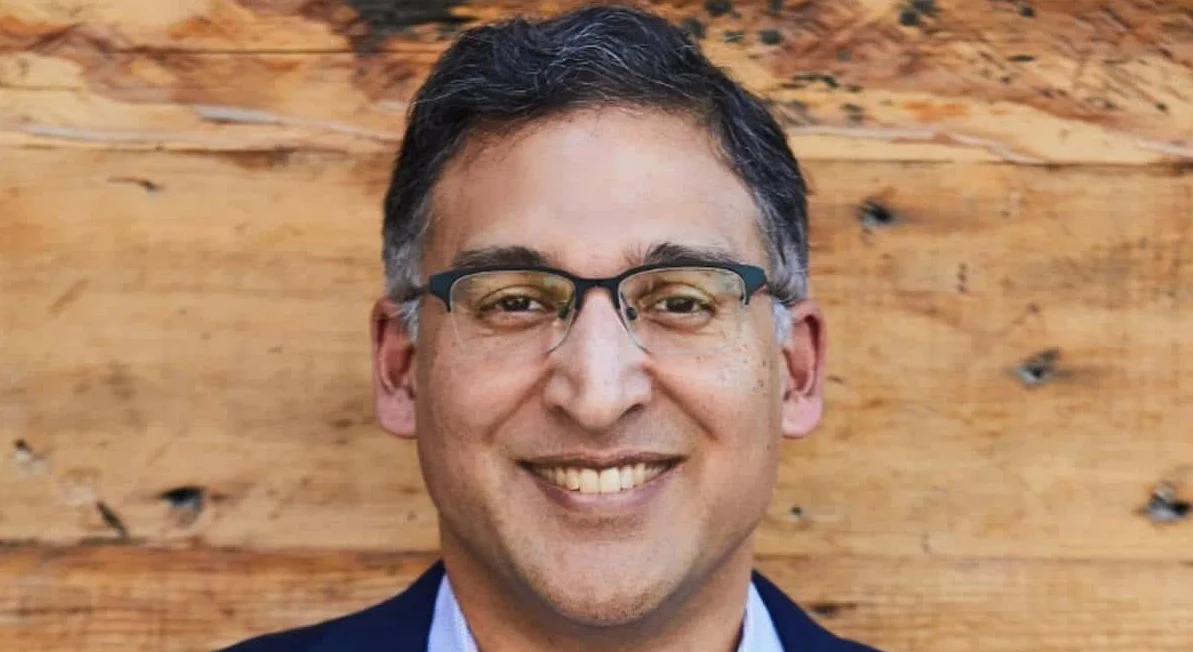
Neal Katyal took to X on Saturday to challenge President Donald Trump’s invocation of Section 122 of the Trade Act of 1974 for a new 15 percent global tariff. The measure, announced after a Supreme Court defeat, aims to address balance-of-payments deficits for up to 150 days.
Katyal, who argued successfully against Trump’s earlier tariffs, highlighted the administration’s own court filings. ‘Seems hard for the President to rely on the 15 percent statute (sec 122) when his DOJ in our case told the Court the opposite,’ he wrote. The Justice Department had stated that Section 122 held ‘no obvious application’ to trade deficits, which Katyal called ‘conceptually distinct’ from balance-of-payments issues.
The Supreme Court ruled 6-3 last Friday that Trump exceeded his authority under the International Emergency Economic Powers Act of 1977. Justices struck down broad import tariffs, affirming Congress’s primary role in levying taxes. Two of Trump’s appointees joined the majority.
Trump responded swiftly on Truth Social, labeling the decision ‘ridiculous, poorly written, and extraordinarily anti-American.’ He pledged new tariffs in coming months to advance ‘Making America Great Again.’ The initial 10 percent surcharge rose to the full 15 percent level, effective immediately.
Gita Gopinath, former IMF First Deputy Managing Director, backed Katyal’s critique on X. She described his points as ‘International Economics 101,’ noting the legal justification clashes with core economic principles.
Katyal, ex-Acting Solicitor General, represented small businesses in the case. Speaking to CNN earlier this week, he praised the 6-3 margin in a polarized court. ‘Oftentimes in these high-profile cases, there are 5 to 4. But this one was 6 to 3,’ he said. He credited the win to the administration’s extreme stance, emphasizing constitutional fidelity over presidential power.
Immediately after the ruling, Katyal hailed it as a stand for the rule of law. ‘Presidents are powerful, but our Constitution is more powerful still,’ he posted. ‘In America, only Congress can impose taxes on the American people.’
The tariff escalation hits amid U.S.-India trade talks. On February 7, both nations outlined an interim framework. India plans to cut tariffs on select U.S. industrial, food, and agricultural goods. The U.S. applies an 18 percent tariff on certain Indian products under an executive order, with removal possible after a full deal.
A White House official said nations like India face the 10 percent global tariff until new authority takes effect. Countries must honor existing pacts, the official added.
India’s Commerce and Industry Ministry is reviewing the Supreme Court ruling and tariff moves. Officials aim to gauge potential fallout as negotiations continue.
Katyal framed the dispute beyond partisanship. ‘This case has always been about the presidency, not any one president,’ he told CNN. ‘It’s about separation of powers.’ He stressed the system’s ability to check even the world’s most powerful leader.
Legal experts watch whether trade deficits qualify under Section 122. The DOJ’s past rejection of that link fuels Katyal’s skepticism. Trump shows no signs of backing down, eyeing Congress only if pressed.





Comments
No comments yet
Be the first to share your thoughts