

Delhi Chief Minister Arvind Kejriwal and 21 other accused individuals have been discharged in the Delhi excise policy case, a development that has triggered significant legal and political discourse across India. The Special Court in Delhi ruled that the prosecution had failed to provide sufficient evidence to justify the charges, marking a notable shift in the country’s approach to criminal proceedings.
Legal Scrutiny of Admissible Evidence
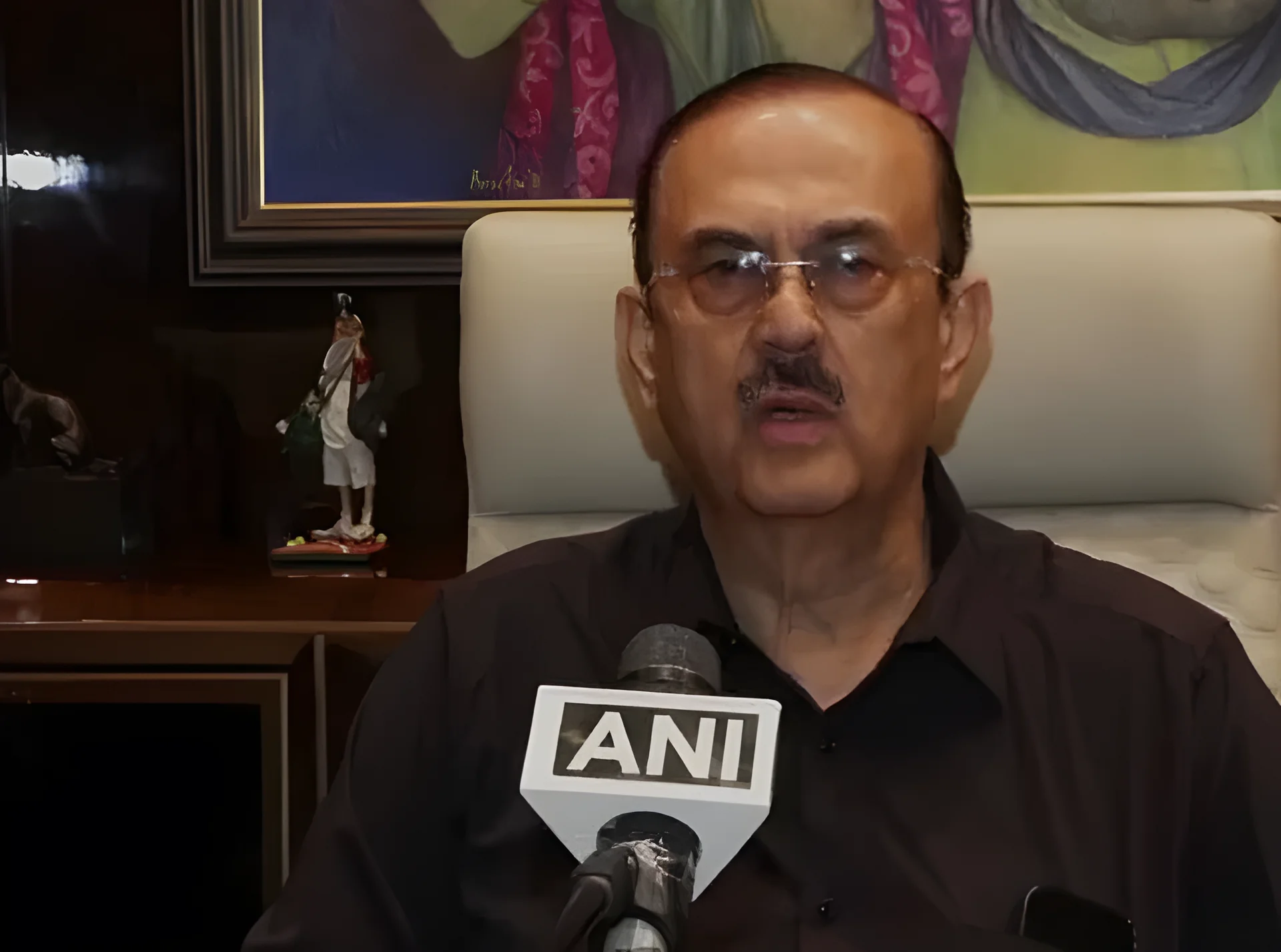
Senior Advocate Vikas Singh described the discharge as a landmark moment, emphasizing the need for a reevaluation of India’s current criminal jurisprudence. He highlighted that the case exposed the reliance on inadmissible evidence for arrests, bail, and remand decisions.
“This case will be a landmark in many ways. This will pave the way for some rethinking of the present criminal jurisprudence that we have in the country,” Singh said. He pointed out that the legal system currently lacks mechanisms to compensate individuals for the incarceration or reputational damage they face during the legal process when cases collapse due to a lack of evidence.
“When the matter ultimately fizzles out like this because there is no evidence and the acquittal happens, there is no way by which you can give back that period of either incarceration or the humiliation that one faces because of the criminal case,” Singh added.
Court’s Criticism of CBI’s Approach
The Special Court in Delhi, led by Special Judge Jitender Singh of the Rouse Avenue Court, criticized the Central Bureau of Investigation (CBI) for its reliance on approver statements. The court ruled that the prosecution’s case was “legally infirm, unsustainable, and unfit to proceed any further in law.”
The court noted that the material collected by the CBI did not meet the threshold of a “prima facie suspicion, far less the grave suspicion” required for framing charges. It observed that when the evidence was tested against admissibility, relevance, and probative value, “the appearance of a coherent conspiracy dissolves,” exposing the allegations as being founded on inadmissible material and post-facto reconstruction.
The court also expressed concerns about the CBI’s approach of granting pardons to accused individuals and then using their testimony to fill gaps in the prosecution’s case. This practice, the court warned, could undermine constitutional safeguards.
Political Reactions and Future Implications
Political reactions to the discharge of Kejriwal and others have been divided. The Congress party described the case as part of the BJP’s “predictable script,” while the CBI has approached the Delhi High Court to challenge the trial court’s discharge order.
The discharge of Kejriwal, former Deputy Chief Minister Manish Sisodia, and 21 others has sparked a broader debate about the integrity of the legal system in India. Singh praised the court’s decision, calling it a bold step in today’s time.
“I appreciate the judge who has taken this very bold decision in today’s time,” Singh said, highlighting the significance of the ruling in the context of the current legal landscape.
The FIR in the case was registered in August 2022 following a complaint by Delhi Lieutenant Governor VK Saxena, who alleged that the now-scrapped excise policy was designed to favor select liquor licensees by reducing license fees and fixing profit margins, resulting in kickbacks and losses to the exchequer.
The discharge of the accused in this case has raised questions about the reliability of evidence used in criminal proceedings and the need for stronger legal safeguards to protect individuals from unjust incarceration and reputational harm.
Legal experts and advocates have called for reforms to ensure that courts rely on solid admissible evidence when making decisions on bail and other legal proceedings. Singh stressed that it is high time for courts to focus on credible evidence before granting or denying bail.
“It’s high time now that all courts look at solid admissible evidence before deciding on whether bail should be granted or not granted,” Singh said, emphasizing the importance of a strong legal framework to prevent miscarriages of justice.






Comments
No comments yet
Be the first to share your thoughts