

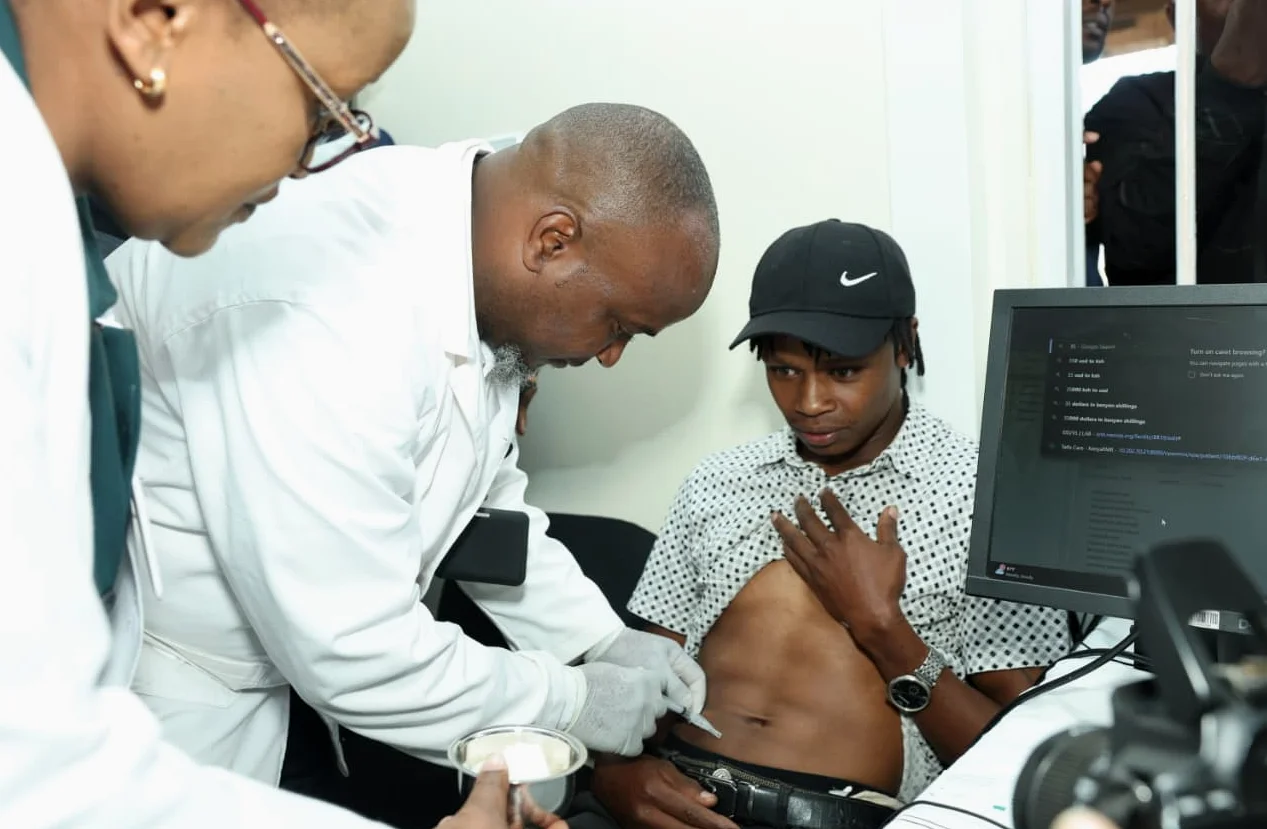
Kenya has received a Sh256 million ($2 million) grant from the Global Fund to support the rollout of long-acting HIV prevention injections, marking a significant step in the country’s fight against the virus. The funding will be used to implement the national distribution of Lenacapavir, a six-monthly injectable pre-exposure prophylaxis (PrEP) drug, which was launched on Thursday at Riruta Health Centre in Nairobi.
Implementation in High-Risk Counties
The initiative targets 15 high-burden counties, including Nairobi, Mombasa, and Kisumu, where the incidence of HIV is particularly high. The Ministry of Health emphasized that the phased rollout will prioritize populations at substantial risk of infection, aligning with the national goal of reducing new HIV infections to zero by 2030.
The Global Fund has been a key financier of Kenya’s HIV response for over two decades. According to Paul Maccarrick, the Global Fund’s senior portfolio manager, the organization has invested over $2.0 billion (approximately Sh250 billion) in Kenya’s fight against HIV, TB, and malaria since 2003.
The initial procurement of 21,000 doses of Lenacapavir was financed by the Global Fund for Sh370 million ($2.9 million). A further Sh256 million ($2.0 million) will be allocated to support the program’s implementation, including service delivery, training, community engagement, and systems to ensure safe and consistent access to the drug.
Impact on HIV Prevention
Lenacapavir offers a new prevention option for individuals at substantial risk of HIV infection, particularly those who struggle with adherence to daily oral medication. The injectable drug is administered twice a year, reducing the burden of daily pill-taking and potentially improving adherence rates.
Health officials highlighted that the drug has already been introduced in neighboring countries such as Zambia, eSwatini, and Zimbabwe, with positive outcomes. The Kenyan rollout is expected to follow similar success, with a focus on accessibility and affordability.
Health Cabinet Secretary Aden Duale emphasized that the drug has passed all safety and efficacy protocols and is safe for distribution. He assured that the rollout is structured, careful, and guided by medical professionals to ensure those who need it will receive it without hidden costs.
Duale also noted that anyone who engages in unprotected sex, even once, is at risk of HIV infection and qualifies for the injection. Beneficiaries must first be tested to confirm they are HIV-negative and must weigh more than 35 kilograms to be eligible.
First Recipient Shares Experience
On Thursday, 27-year-old Samson Mutua became the first Kenyan to receive the injection at Riruta Health Centre. Mutua, a water vendor and delivery rider in Nairobi, received two injections of Lenacapavir in the lower abdomen. He immediately took two oral PrEP tablets to ensure day one protection.
Mutua will take two more PrEP tablets on Friday, after which he will be protected against HIV for the next six months. He will then return for another double injection, after which he will not need to take any more PrEP pills for the duration of the six-month protection period.
Mutua clarified that becoming the first recipient of Lenacapavir does not imply recklessness or promiscuity. He expressed his desire to remain alive to care for his two children, highlighting the personal stakes behind the national initiative.
The list of clinics where the injection is available has not been made public. However, interested Kenyans in the 15 targeted counties can visit any public health facility and will be directed to the nearest clinic for the injection. The Ministry of Health reiterated that the rollout is structured to ensure accessibility and safety for all eligible beneficiaries.
Global Fund senior portfolio manager Paul Maccarrick described the launch as historic, emphasizing the strength of global partnerships, particularly between the Global Fund, Pepfar, and Gilead Sciences. He noted that such collective action is essential to ending AIDS as a public health threat.
The initiative marks a significant milestone in Kenya’s public health strategy, offering a more sustainable and effective approach to HIV prevention. As the program expands, it is expected to have a tangible impact on reducing the spread of the virus, particularly among high-risk populations.






Comments
No comments yet
Be the first to share your thoughts