

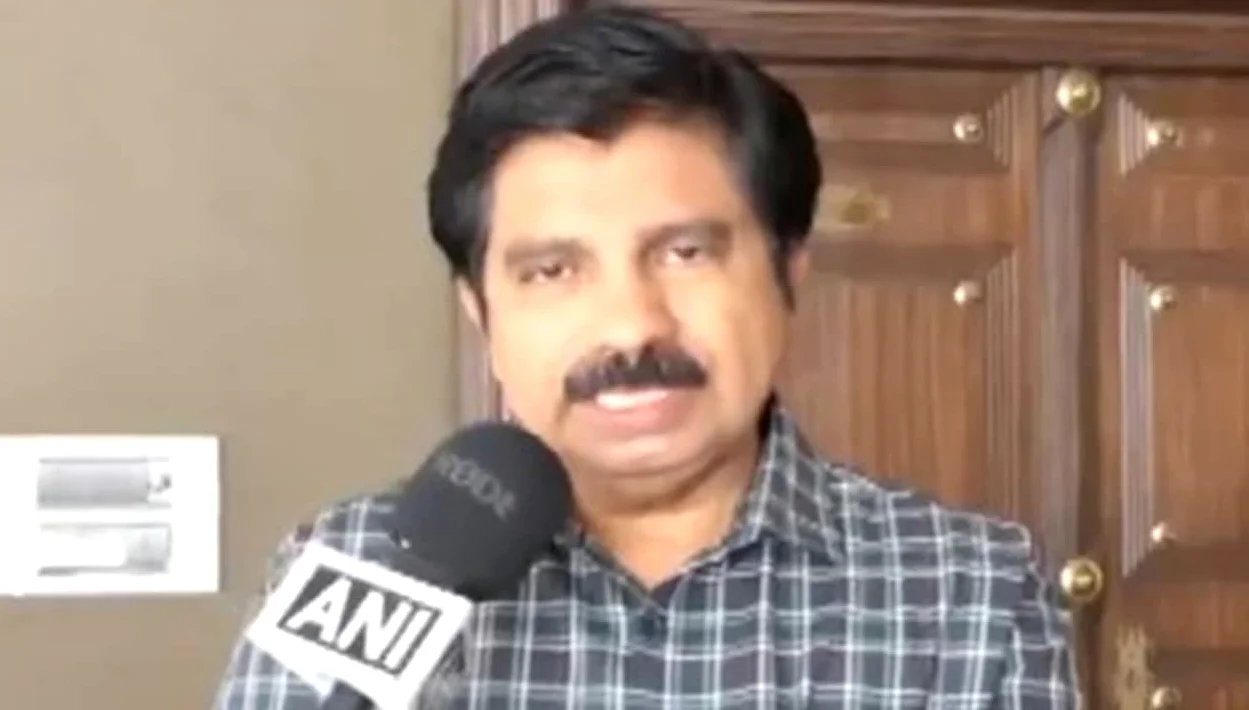
Aryadan Shoukath, the United Democratic Front (UDF) candidate for Nilambur in the upcoming 2026 Kerala Assembly elections, has voiced strong confidence in his prospects for victory. Shoukath attributes this optimism to a growing anti-incumbency sentiment against the Left Democratic Front (LDF) government and the developmental work he has undertaken in the constituency over the past eight months. His remarks come amid a highly competitive political landscape in the state, with the UDF, LDF, and National Democratic Alliance (NDA) vying for dominance.
Developmental Work and By-Election Success
Shoukath highlighted his performance since winning the Nilambur by-election in 2024, where he defeated LDF candidate M Swaraj of the Communist Party of India (Marxist) by a significant margin of 11,077 votes. He stated that the current political climate in Nilambur is highly favorable for the UDF, especially after the by-election victory. ‘In Nilambur, all the factors are very favorable for us, especially for UDF and for me also,’ he said, emphasizing that the constituency has been dominated by the LDF in previous elections.
Over the past eight months, Shoukath has focused on local development projects, including infrastructure improvements, public health initiatives, and community welfare programs. He claims that his efforts have made a visible impact on the ground, which has bolstered his credibility among local voters. ‘The situation is very favorable because there is a mass anti-incumbency factor against the LDF government. In Nilambur for the last eight months, I have done much developmental work,’ he said.
Shoukath predicts a significant lead in the upcoming polls, stating that the people of Nilambur are convinced about his performance. ‘I am expecting more than 20 thousand leads in this constituency,’ he added, accusing the LDF government of neglecting the area over the past decade.
Congress Announces Key Candidates
The Indian National Congress has announced its list of 55 candidates for the 2026 Kerala Assembly elections, with Aryadan Shoukath among them. The elections are scheduled for April 9, with the counting of votes set for May 4. The party has fielded notable figures such as Kerala Congress Committee President Sunny Joseph from the Peravoor seat, Leader of Opposition VD Satheesan from the Paravur seat, and K Muraleedharan from the Vattiyoorkavu seat.
K Muraleedharan, the son of former Chief Minister K Karunakaran, is expected to play a key role in the UDF’s campaign strategy. His experience in national and state politics is seen as a valuable asset for the alliance. The Congress has also emphasized the need for a united front against the LDF, which has held power in the state since 2021.
Political Landscape and Historical Context
Kerala’s political dynamics have been dominated by the LDF and UDF for decades. The LDF, led by the CPI(M), has been in power since 2021, retaining 99 seats in the previous election. This marked the first time since 1977 that a ruling alliance secured consecutive terms. The UDF, led by the Congress, secured 41 seats in the 2021 election, while the NDA, led by the Bharatiya Janata Party (BJP), saw a decline in its influence.
In the 2016 Assembly elections, the LDF won 77 seats with 34.8% of the vote share, while the UDF secured 47 seats with 38.2% of the vote. The NDA, however, failed to gain a foothold in the state. Between 2016 and 2021, the LDF consolidated its support base, increasing its seat tally by 17 seats, while the UDF saw a decline in representation from 47 to 40 seats.
The current electoral contest is expected to be a closely watched battle between the LDF, UDF, and NDA. The UDF’s performance in the upcoming elections will be crucial in determining the political balance of power in the state. Analysts suggest that the anti-incumbency wave against the LDF could be a key factor in the UDF’s chances of making inroads in constituencies like Nilambur.
Shoukath’s confidence in his prospects for victory is based on his recent by-election performance and the perception of neglect by the LDF government. However, the LDF has been working to counter these narratives by highlighting its developmental achievements in the state. The coming months will be critical for both the UDF and LDF as they prepare for the April 9 election date.
The outcome of the 2026 Kerala Assembly elections will have far-reaching implications for the state’s governance and political direction. With the current assembly’s term set to end on May 23, 2026, the results of the polls will determine the composition of the next government and the policies that will shape the state’s future.






Comments
No comments yet
Be the first to share your thoughts