

Paul Brignal, owner of the Thornton Greyhounds track in Fife, has called the recent ban on greyhound racing in Scotland a ‘sad and misinformed’ campaign that ignores the sport’s evolution and its cultural significance. The final race at the track took place nearly a year ago, and the sport has since been officially outlawed through legislation passed by the Scottish Parliament.
Impact on Working Class Culture
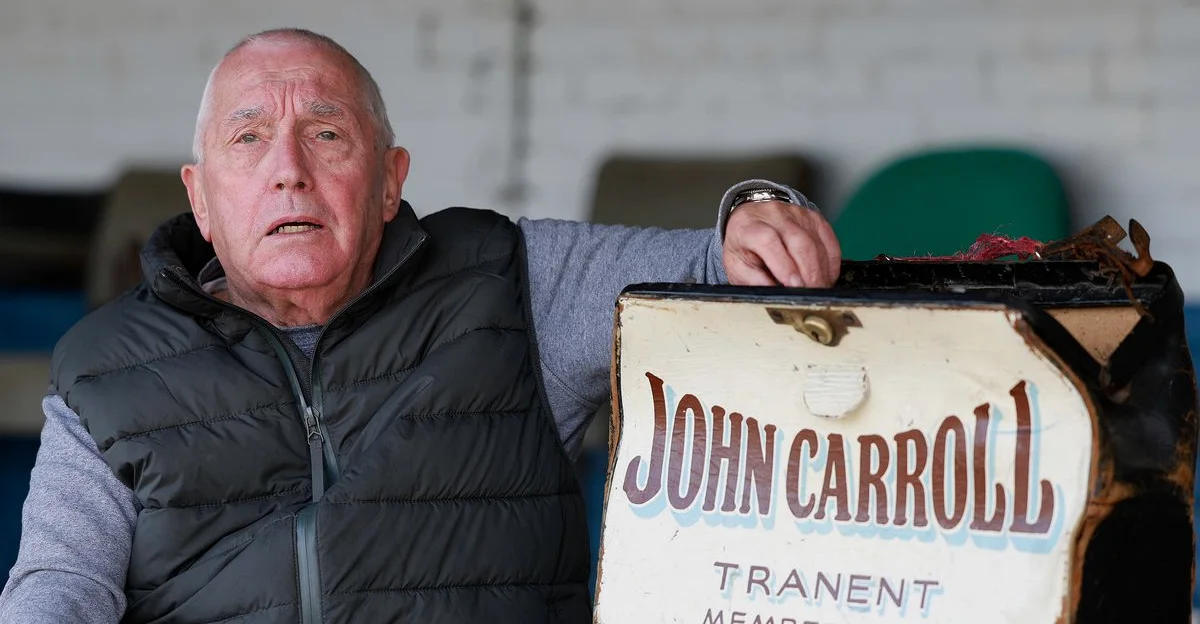
The Thornton Greyhounds track was once a cornerstone of working-class life in Scotland, offering a place for social interaction, betting, and entertainment. John Carroll, the last bookie to take bets at the track, recalled the final day at the track, where he took 13 bets, 10 of which were winners, resulting in a £1,300 loss for him. He described the atmosphere as far from the ‘cruel’ image portrayed by anti-racing campaigners.
Carroll, a well-known figure in the Scottish horse and greyhound betting scene, said the anti-racing lobby had long waved placards about cruelty, but by the time the sport was effectively winding down, there were barely 30 trainers left in Scotland. These trainers were racing their own pets for prizes as small as £30, with less than 100 punters turning up for races.
He said the sport had already become a niche activity, with no real risk to the dogs. ‘There could have been a licensing scheme to ensure welfare standards, but to ban the sport outright is disappointing and marks the end of an era for people like myself,’ he said. ‘It’s also a piece of heritage that is disappearing, allowing dogs bred for racing to do what they were meant to do.’
Legal Campaign and Misinformation
Paul Brignal, who took out a mortgage to buy the track for £220,000 in 2002, said the ban was based on outdated evidence that did not reflect the current state of greyhound racing in Scotland. At the time of his purchase, there were up to seven bookies working twice a week, but by the time of the ban, only one bookie remained — John Carroll.
Brignal criticized the Scottish Parliament for not listening to evidence that supported the sport. ‘I feel it’s desperately sad and unjustified to ban this sport on animal welfare grounds. There isn’t a shred of evidence that racing dogs on oval tracks causes injuries that could not be caused on any other kind of track,’ he said.
He added that if the government had wanted to ban the sport based on the risk to a single dog’s life, that would have been easier to accept. However, he pointed out that the sport had already ceased, raising the question of why horseracing in Scotland has not faced similar scrutiny.
Animal Welfare and Legal Challenges
Greens MSP Mark Ruskell, who proposed the Greyhound Racing (Offences) (Scotland) Bill, argued that greyhound racing is a cruel sport with a terrible impact on the dogs. ‘Greyhounds are risking their lives by being forced to run at such dangerous speeds,’ he said. The bill was passed by the Scottish Parliament after a vote, effectively banning greyhound racing on oval tracks.
However, Tory MSP Finlay Carson criticized the bill, calling the process a ‘waste of precious parliamentary time’ that would not improve the welfare of a single greyhound in Scotland. He argued that the bill was overly complex and lacked a clear rationale.
Data from the Greyhound Board of Great Britain in 2023 showed that 109 greyhounds died trackside in the UK, an increase from the previous year. There were also 4,238 injuries to greyhounds during racing in 2023. Almost all of these incidents occurred in England, where intensive racing takes place to satisfy betting markets in Asia.
Ruskell added that Scotland is one of the few countries that still allows greyhound racing. ‘We need to leave it in the past where it belongs,’ he said. However, the Greyhound Board of Great Britain has already challenged the ban in Wales, where greyhound racing has been outlawed, suggesting similar legal challenges could arise in Scotland.
John Carroll said the sport had been misrepresented by anti-racing campaigners who had no understanding of the current state of the sport. ‘They really didn’t know what they were on about,’ he said. ‘If there had been a licensing scheme to monitor welfare, the sport could have continued in a more responsible manner.’
Paul Brignal remains disappointed that the sport, which had already declined, has been banned outright. ‘It’s the end of an era for people like myself,’ he said. ‘The sport was a part of our lives, and it’s sad to see it go.’
With the last greyhound track now closed, the future of greyhound racing in Scotland remains uncertain. However, the ban has sparked debate about the treatment of animals in sports and whether the legislation was based on accurate information or outdated assumptions.





Comments
No comments yet
Be the first to share your thoughts