

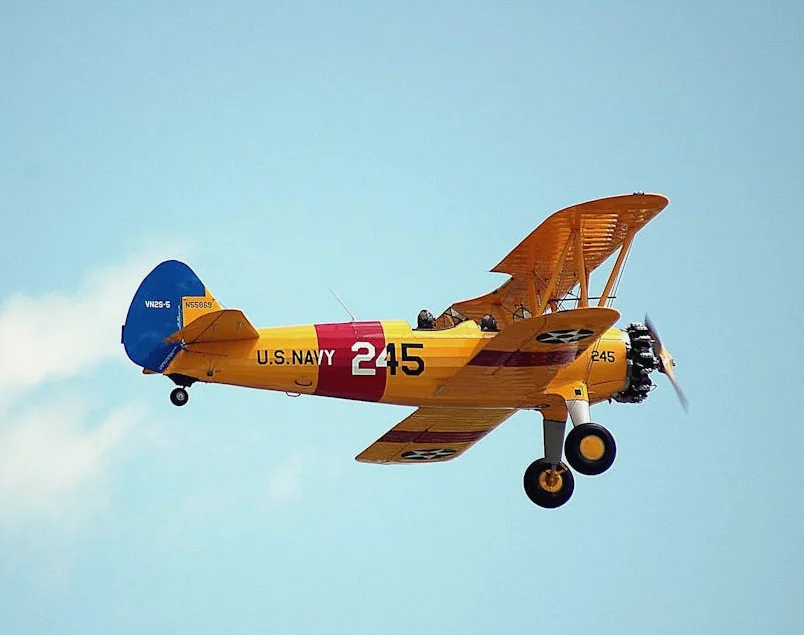
A military transport plane crashed in the Colombian province of Antioquia on Monday, killing at least 66 people, the head of the armed forces said in a statement. The incident. Which occurred near the city of Medellín, has raised concerns about aviation safety and the risks faced by military personnel in the region.
Details of the Crash
The crash took place around 4:30 p.m. local time, according to officials, when the plane was en route from the city of Pereira to Medellín. The aircraft, a Boeing 727-200, was carrying military personnel and cargo, officials said. The plane reportedly veered off course before crashing into a mountainous area near the town of El Carmen de Atrato.
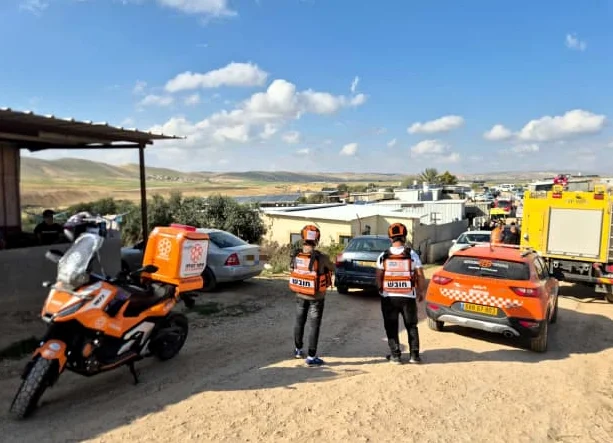
Emergency services arrived at the scene within minutes, but the remote location and rugged terrain made recovery efforts difficult. Rescuers confirmed that the aircraft was completely destroyed, with no survivors among the 66 victims. The crash site was later secured by military and police forces to prevent looters and ensure a safe investigation.
Colombian President Gustavo Petro has expressed his condolences and ordered an immediate investigation into the cause of the crash. ‘This is a tragic event that affects our entire nation,’ Petro said in a televised address. ‘We will do everything necessary to find out what happened and prevent such tragedies in the future.’
Impact on Military and Public
The crash has sent shockwaves through Colombia’s military community, which has been involved in numerous operations against drug cartels and other armed groups. The loss of 66 lives has been described as one of the deadliest aviation incidents in the country’s history, with similar tragedies occurring in the past, such as the 2015 crash of a military helicopter that killed 12 people.
Colombia has experienced a series of aviation accidents in recent years, including a 2019 incident in which a military plane crashed in the Amazon region, killing 16 soldiers. These events have raised questions about the safety of military aviation in a country still grappling with the aftermath of a decades-long conflict.
The crash has also affected the public, with many residents of Antioquia expressing grief and concern. Local leaders have called for a thorough investigation, emphasizing the need for improved safety protocols and better maintenance of military aircraft. ‘This is not just a tragedy for the military,’ said Maria del Pilar, a local council member. ‘It’s a tragedy for all of us.’
According to the head of the armed forces, General Camilo Cárdenas, the crash is under investigation by a special commission that will include experts from the Colombian Air Force and civilian aviation authorities. The findings of the investigation will be made public in the coming weeks.
What’s Next for Colombia’s Military
The crash has also raised concerns about the future of military aviation in Colombia; With the country still dealing with the legacy of its civil war, the military plays a critical role in maintaining security and combating organized crime. However, the recent incident has highlighted the risks associated with operating in remote and challenging terrain.
Officials have said that the military will conduct a review of its aviation protocols and training programs to prevent similar incidents in the future. The review will include an assessment of pilot training, aircraft maintenance, and flight planning procedures.
In the meantime, the military has suspended all non-essential flights in the region as a precautionary measure, though the crash has also led to increased scrutiny of the military’s operations, with some lawmakers calling for more transparency and accountability.
As the investigation continues, the focus remains on understanding the cause of the crash and ensuring that such a tragedy does not happen again; the 66 victims, many of whom were young soldiers, will be remembered as part of Colombia’s ongoing struggle for peace and security.
The crash has also drawn attention from international partners, including the United States and European nations, who have offered support in the investigation and recovery efforts. The U.S. State Department has expressed its condolences and pledged to assist in any way possible.
As the nation mourns, the question remains: how can Colombia’s military ensure the safety of its personnel in the face of ongoing security challenges?; the answer, many believe, lies in a renewed commitment to transparency, accountability, and the protection of its service members.




Comments
No comments yet
Be the first to share your thoughts