

 CBS News
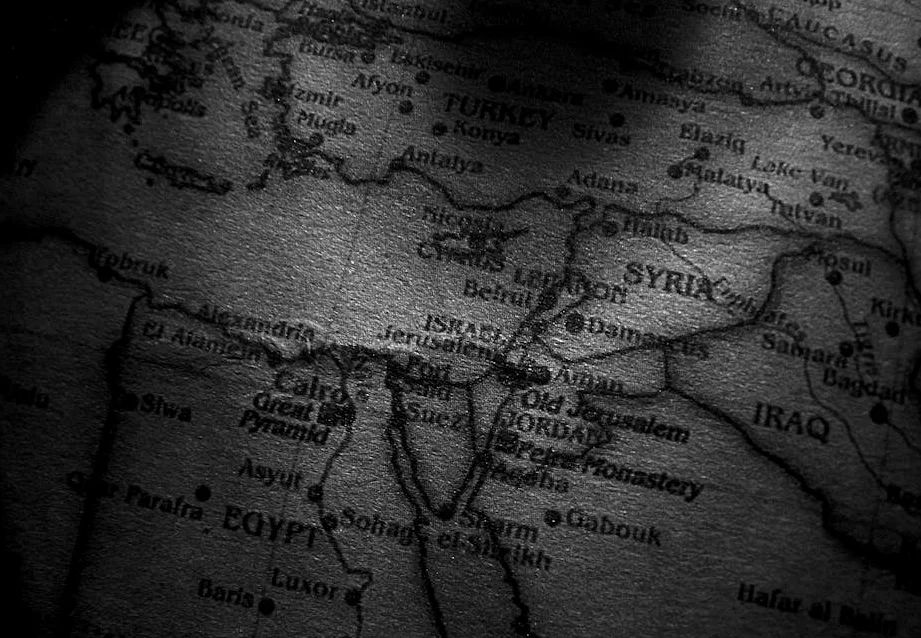
The Iran war shows no signs of abating as conflicting signals between U.S — President Donald Trump and Iranian officials continue to shape the geopolitical landscape. Trump has expressed optimism about talks to end the conflict, but Tehran has denied any formal negotiations are underway, according to CBS News, but Meanwhile, violence persists in the region, keeping the Strait of Hormuz gridlocked, further complicating global oil trade.
Impact on Global Markets
The uncertainty surrounding the Iran conflict has led to fluctuations in both oil and stock markets — the Strait of Hormuz, a critical chokepoint for global oil shipments, remains a focal point of concern. U.S. officials have reported assessments indicating at least a dozen Iranian mines in the area, which could exacerbate tensions. The market’s reaction reveals the economic stakes involved, with oil prices rising due to fears of supply disruptions.
Analysts warn that prolonged conflict in the region could lead to a significant increase in oil prices, affecting consumers globally. According to recent data. The price of crude oil has already seen a sharp rise, with some traders predicting it could reach $80 per barrel in the coming weeks; this increase is expected to ripple through global economies, particularly in energy-dependent nations.
Stock markets have also been impacted. With indices showing volatility as investors seek safer assets; the S&P 500 has experienced sharp declines in recent trading sessions, reflecting investor anxiety over the situation. This volatility is not only affecting U.S. markets but also those in Europe and Asia, where energy imports from the Middle East are a significant component of their economies.
Political Dynamics and Diplomatic Efforts
Trump’s optimism about potential talks with Iran has been met with skepticism from Tehran. A senior Iranian Foreign Ministry official told CBS News that Iran has received messages from the U.S. through mediators, but no formal negotiations are underway. This ambiguity has left the international community in a state of uncertainty, unsure of whether a diplomatic resolution is on the horizon.
Despite the lack of formal talks, both sides continue to send signals, though Trump has suggested that a deal is possible, while Iranian officials are reviewing the points sent by the U.S. through a mediator. This back-and-forth has led to speculation about the possibility of a breakthrough, but also the risk of further escalation.
The political dynamics are further complicated by domestic politics in both countries. In the U.S., most Republicans, especially those aligned with the MAGA movement, continue to support the administration’s actions and express confidence in Trump’s leadership. This internal unity may influence the administration’s approach to negotiations with Iran.
Meanwhile, in Iran, the government faces pressure to respond to the ongoing conflict. The country’s leadership has been cautious in its statements, avoiding direct confrontation with the U.S. while maintaining a firm stance on its territorial integrity and national interests.
Human Cost and Regional Stability
As the conflict intensifies, the human cost continues to mount. In New York, a tragic collision at LaGuardia Airport left two pilots dead and dozens injured, adding to the list of incidents that have occurred amid the broader geopolitical tensions. The incident has raised concerns about the safety of critical infrastructure in times of heightened global instability.
In addition to the immediate casualties, the ongoing conflict has strained regional stability. Veracruz, a key transit point for migrants seeking to reach the U.S., has seen increased activity from criminal groups preying on vulnerable individuals. This has led to calls for greater international cooperation to address the humanitarian crisis.
The situation in the Middle East has also drawn attention to the role of non-state actors. A shadowy group claiming responsibility for antisemitic attacks in Europe has warned of targeting U.S. and Israeli interests worldwide. This threat adds another layer of complexity to the already volatile region.
Regional stability is further challenged by the continued partial government shutdown in the U.S. The Senate is closing in on a deal to fund the Department of Homeland Security, but the shutdown has already lasted six weeks, affecting operations and creating uncertainty in both domestic and foreign policy.
The prolonged shutdown has also had an impact on travel and security. At Houston’s George Bush Intercontinental Airport, overhead announcements have advised passengers with departures within four hours to consider rebooking, highlighting the strain on airport operations. Similarly, in Atlanta, TSA wait times have grown, with travelers facing long lines and delays.
The situation at the airports reflects the broader challenges faced by the government in managing the shutdown’s effects. With nearly 12% of all TSA officers scheduled to work on Sunday calling out, the most since the start of the shutdown, the impact on critical infrastructure is becoming increasingly evident.
As the conflict in the Middle East continues, the international community remains on high alert. The uncertainty surrounding the Iran war has created a volatile environment, with markets, governments, and civilians all feeling the effects. The coming days and weeks will be critical in determining whether diplomatic efforts can lead to a resolution or if the situation will continue to escalate.



Comments
No comments yet
Be the first to share your thoughts