

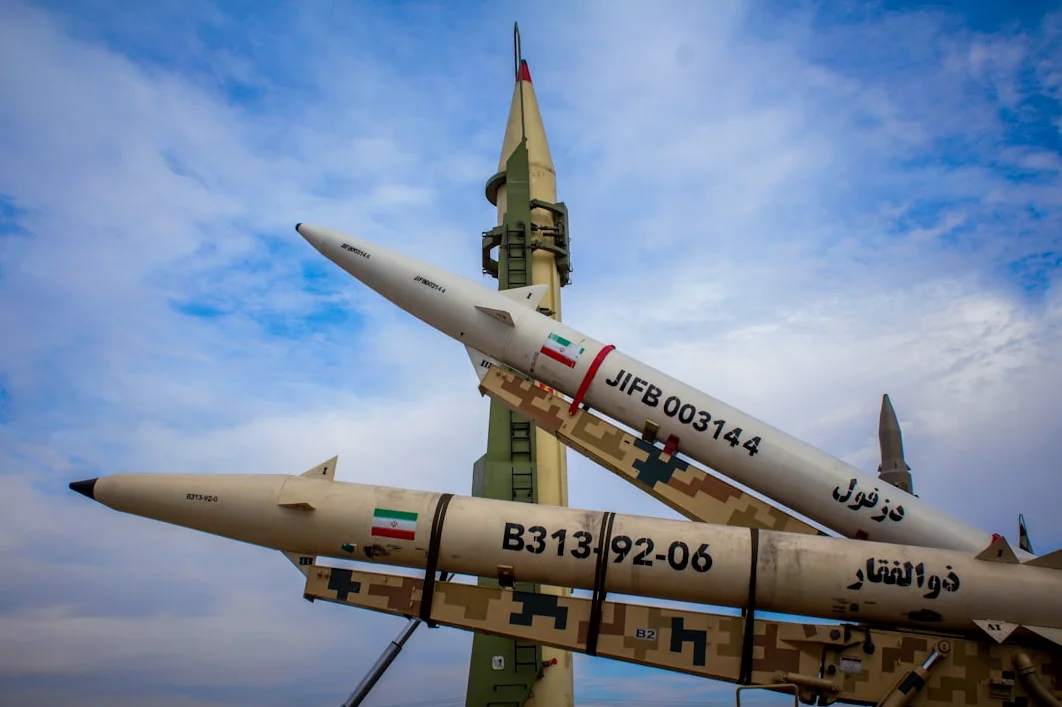
Tehran, Iran – As the United States awaits Tehran’s latest response to texts for an agreement being exchanged through intermediaries, Iranian authorities and state-linked media are emphasising that they consider control over the Strait of Hormuz more important than ever.
Iranian Officials Stress Strategic Importance
Foreign Ministry spokesperson Esmaeil Baghaei told reporters on Saturday that Iran was still reviewing Washington’s proposal. “We do our work. We don’t pay attention to deadlines or timing,” he said, in reference to US President Donald Trump’s expected timelines for an Iranian response.
With no breakthrough in sight, Iranian authorities continue to signal an elevated status in their doctrine for the strategic strait, perhaps rivalling the contentious nuclear programme for which the country has been sanctioned and isolated for decades.
Control as a Strategic ‘Blessing’
The theocratic and military establishment in Iran has “neglected the blessing” of the strait for years, said Mohamad Mohkber, a senior adviser to slain Supreme Leader Ayatollah Ali Khamenei, and first vice president under late Ebrahim Raisi.
“In reality. It is a capability on the level of an atomic bomb, because when you have a capability that can affect the entire global economy with a single decision, that is an enormous capability,” he told state-linked Mehr news agency on Friday. Mokhber said the authorities will by no means relinquish control “that we have gained through this war” and will endeavour to “alter the governing administration” of the strait either through international channels or through domestic laws passed by the hardline-dominated parliament.
Mohammad Reza Aref. The current first vice president. Said Tehran’s control over the Strait of Hormuz will work to counter sanctions imposed by the US, including those aimed at driving down oil sales, which are expanding every week. “We will certainly no longer be facing something called sanctions, because with the latest behaviour of Trump and the enemies, our right and view of the strait has been cemented, so I don’t think we will face any more serious problems,” he said on Thursday. Aref said Iran’s “management will ensure the security of this waterway and benefit all countries in the region.”
Historical Parallels and Internal Unity
State television took things one step further to draw parallels with the early Muslims, and how they lost the Battle of Uhud near Medina about 1,400 years ago, after archers left a strategic pass despite instructions by the Prophet Muhammad, which allowed rival cavalry to attack from behind.
Hossein Hosseini, an Ofogh channel host, told viewers on Saturday morning that the Strait of Hormuz is the Uhud pass of Iran, which, if abandoned, could set the stage for its defeat. “Smart Iranians are careful not to abandon this Uhud pass, not to give it back. The conditions of the strait will never return to what they were before; the enemies must certainly know this,” he said.
Multiple text messages attributed to Mojtaba Khamenei since he succeeded his father as supreme leader shortly after the start of the war have also emphasised the necessity of maintaining control over the waterway. But the authorities wish to convey that they have pondered and discussed the implications of conflict over southern Iran’s key waterways long before the current war with the US and Israel.
A number of state-linked media outlets on Friday released a clip of a speech made decades ago by former President Akbar Hashemi Rafsanjani, the top reformist cleric who died in 2017. Rafsanjani says Iran does not threaten to shut down the strait without cause, since the move also hurts Iran. “We have always emphasised that we will close down the Strait of Hormuz at a time when the Persian Gulf is not usable for us. If the Persian Gulf is unusable for us, we will make the Persian Gulf unusable for others; this has been our policy,” he said in the undated speech made to reporters gathered at the parliament.


Comments
No comments yet
Be the first to share your thoughts