

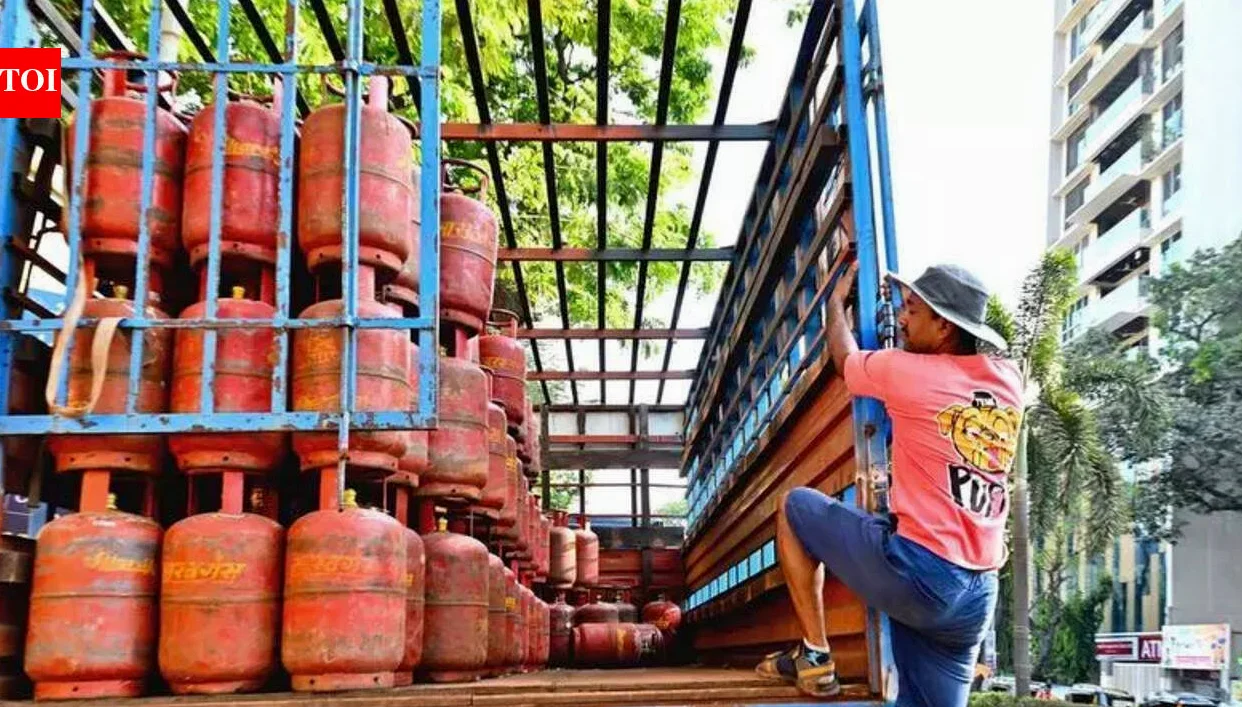
Mumbai — A critical shortage of liquefied petroleum gas (LPG) across the city has begun to threaten the supply of cooked meals to thousands of students, with kitchen operators warning that school mid-day meal services could be disrupted within days if gas deliveries are not restored. The situation has raised alarms among civic authorities, school administrators, and activists, who are urging immediate action to prevent a crisis that could affect the nutritional well-being of children, especially those from economically disadvantaged backgrounds.
Impact on School Meal Programs
BMC officials confirmed that several contractors running centralised kitchens under the PM POSHAN Scheme — a government initiative aimed at providing mid-day meals to students — have reported running out of LPG needed to cook food. According to BMC education officer Sujata Khaire, the operators have informed the civic body that they may not be able to continue preparing meals due to the non-availability of cylinders.
“This is an imminent crisis,” Khaire said. “Food was able to reach students today, but we don’t know if it will tomorrow.” She added that since the programme is jointly run by the state and Centre, the civic body has written to the relevant authorities and is awaiting a response. The PM POSHAN Scheme provides hot, cooked meals to over 1.2 million students in Mumbai’s government schools, and any disruption could have immediate consequences for their daily nutrition.
Vikas Yashwente, who operates a kitchen in Govandi supplying mid-day meals to thousands of students, said he only has LPG stock left to continue deliveries until Thursday. “All scheduled deliveries for the gas have been cancelled, and we are being told there is simply no supply,” he said. Some schools have begun asking whether he can provide dry snacks and food that do not require cooking, such as bhel.
Uncertainty and Concern Among Schools
A principal from a school in Khar said their institution has not yet faced disruption, but the situation remains uncertain. “We are still getting the mid-day meals, and the suppliers have assured us a day or two more supply, but after that no one knows,” the principal said. “Our school canteen is dependent on gas cylinders, and even for those new orders are not being accepted. Once those run out, we will come to know the true extent of the crisis.”
A number of other schools are also facing disruptions in their food services or foresee a serious problem in the coming days. The lack of LPG is not only affecting meal preparation but also the ability of schools to maintain the required hygiene and cooking standards for these meals.
According to the National Sample Survey Office, the mid-day meal program in India provides approximately 12 million meals daily to over 110 million children across the country. In Mumbai alone, over 1.2 million students benefit from the program, making it a critical lifeline for many families who rely on these meals for their children’s daily sustenance.
Concerns About Student Attendance and Health
Activist Ulka Mahajan warned that any prolonged disruption could affect student attendance. “Without food being served in schools, you will see children starting to drop out, especially children of manual labourers who depend on this food for their nourishment,” she said. Mahajan added that this is a grave crisis and the government needs to find a solution and not let these kitchens shut down.
Many children in Mumbai come from households where parents work in construction, domestic service, or informal sectors, and the mid-day meal is often the only hot, nutritious meal they receive in a day. The absence of these meals could lead to a decline in student health, concentration, and overall academic performance.
According to the BMC, the mid-day meal program is funded and monitored by both the state and central governments. However, the recent LPG shortage has exposed a vulnerability in the supply chain, particularly in the availability of cooking gas for these centralised kitchens. While the civic body has taken steps to alert the authorities, a resolution to the issue is still pending.
Yashwente, the kitchen operator in Govandi, emphasized the urgency of the situation. “We are in a race against time,” he said. “If the gas supply isn’t restored soon, we will have to stop cooking entirely. That would mean no meals for thousands of students, and that’s not something we can afford.”
The principal from Khar echoed similar concerns. “We are trying to stay positive, but the uncertainty is overwhelming,” she said. “We need the government to act quickly to ensure that these meals continue to be provided without interruption.”
As the situation unfolds, the focus remains on whether the authorities can secure enough LPG supply to keep the mid-day meal program running. With the current stock levels running low and no immediate solution in sight, the crisis is expected to escalate unless urgent measures are taken to address the shortage.
The government has not yet issued an official statement on the matter, but the urgency of the situation is clear. With over 1.2 million students in Mumbai relying on these meals, the disruption of the program could have long-term repercussions on both their health and educational outcomes.






Comments
No comments yet
Be the first to share your thoughts