

 The New York Times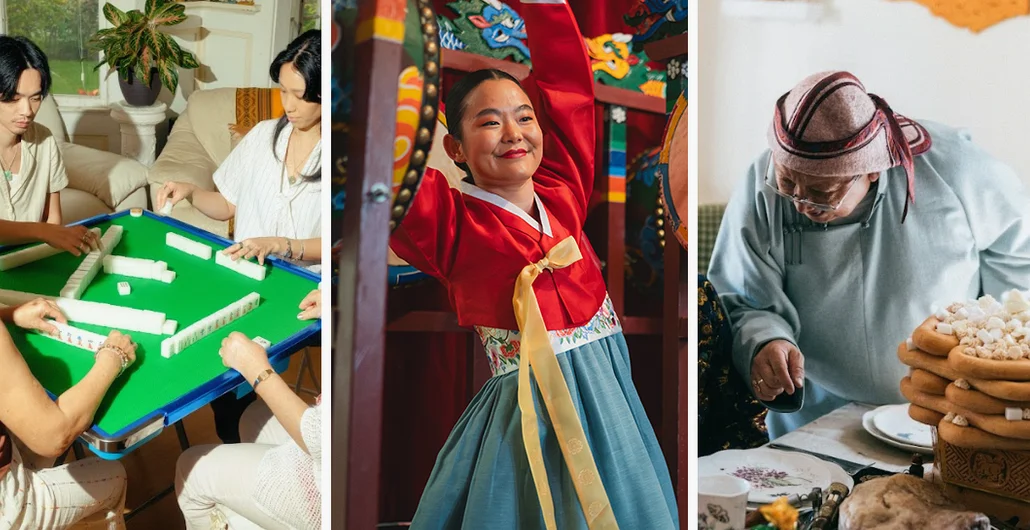
Asian Americans in five cities ushered in the Lunar New Year on Tuesday as the new moon signaled the holiday’s start. The celebrations, which stretch several days to weeks depending on cultural practices, peak with the full moon on March 3. More than a billion people worldwide observe the holiday, rooted in East Asia and Southeast Asia, with shared customs like elaborate family meals and rituals to summon good fortune and honor ancestors.
A reporting team joined local videographers for a fast-paced tour of diverse communities. In Minneapolis, Korean American adoptees gathered to reconnect with heritage through food and stories. Drums echoed and laughter filled the air as they shared bulgogi and kimchi, rituals passed down despite transcontinental journeys.
New Orleans offered a vibrant fusion. Members of a pan-Asian Mardi Gras krewe paraded through streets lined with beads and banners. The group, drawing from Vietnamese, Chinese and Filipino roots, marched to rhythmic beats, their floats adorned with dragons and lanterns. ‘We mix our cultures with the city’s spirit,’ said krewe captain Linh Nguyen. Parades like theirs bridge Carnival season with lunar traditions.
In Los Angeles, a Mongolian American family filled their home with music. Tsend, a throat singer, led his relatives in khoomei performances, the overtone technique vibrating through rooms packed with buuz dumplings and airag. The family’s instruments—horsehead fiddles and morin khuur—accompanied songs of nomadic pasts now thriving in Southern California. Young children clapped along, learning melodies from elders.
Honolulu’s multigenerational household buzzed with Hawaiian-Asian blends. Grandparents stirred pots of laulau alongside nian gao sticky rice cakes. Family members from Japanese, Chinese and Native Hawaiian lines exchanged red envelopes under plumeria trees. Rituals included cleaning the home at dawn to sweep out misfortune, a practice echoed across islands.
Queens, New York, spotlighted Tibetan American artist Tenzin Choephel in his studio. He painted thangkas depicting Buddhist deities amid incense smoke, invoking prosperity for the year ahead. Choephel crushed minerals for vivid pigments, his hands steady from years of practice. ‘This horse year brings fire and speed,’ he said. ‘We release the old through art.’
These snapshots reveal how the Year of the Fire Horse—a symbol of transformation—spurs renewal. Communities shed past hardships, from pandemic isolation to cultural displacements. Fire Horse years, occurring every 60 years in the lunar cycle, carry legends of energy and change. This one’s arrival coincides with spring’s stirrings, amplifying hopes for growth.
Traditions varied yet converged on core themes. Elaborate meals featured symbolic foods: long noodles for longevity in Korean homes, fish for abundance among Chinese families. Lion dances roared in New Orleans, while Mongolian horsehead fiddles evoked steppes. In every spot, red dominated—envelopes, clothing, decorations—to ward off evil.
The holiday’s reach highlights Asian America’s breadth. From adoptees tracing roots to artists preserving crafts, participants handle dual identities. Officials with the Asian American Federation noted participation surges in recent years, with events drawing thousands even in smaller cities. This year’s fire horse, rare and potent, sharpens the focus on fresh starts.





Comments
No comments yet
Be the first to share your thoughts