

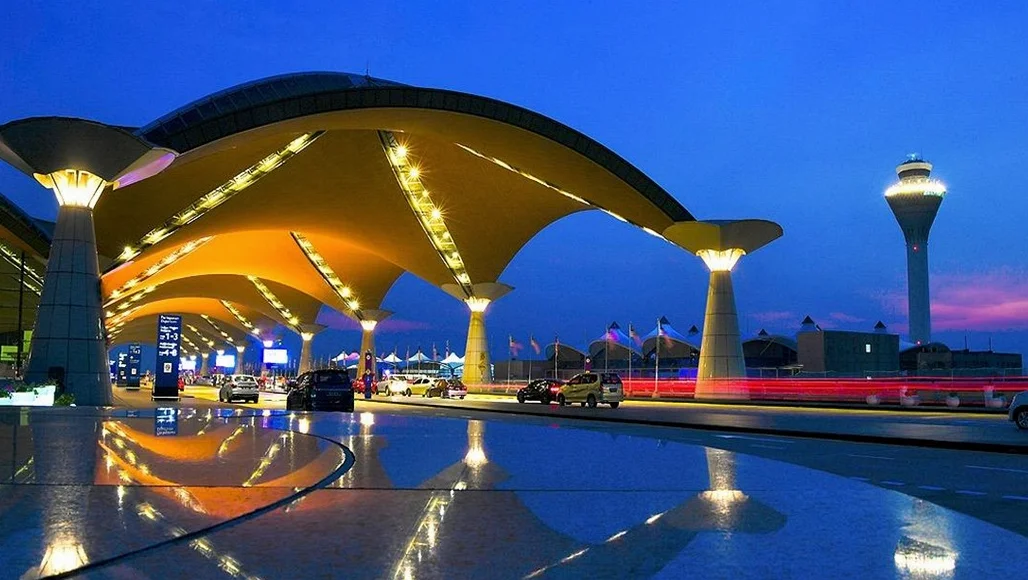
Malaysia Airports Holdings Berhad (MAHB) reported a significant rise in passenger traffic for February 2026, with a total of 8.9 million passengers recorded across its airport network. This brings the year-to-date total for the first two months of the year to 18.3 million passengers. The increase reflects a 5.8 percent growth compared to the same period in 2025, according to a statement released by the company.
Steady Growth in Passenger Traffic
MAHB managing director Datuk Mohd Izani Ghani highlighted the positive trajectory of passenger movements, noting that the first two months of 2026 have seen a steady start across the local airport network. He attributed the growth to expanding connectivity and sustained demand for air travel, particularly during the Chinese New Year period.
Ghani emphasized that even as passenger volumes increase, MAHB remains committed to maintaining high service standards. ‘Even as passenger volumes grow, service standards have been consistently maintained,’ he said in a statement.
Langkawi International Airport continued to receive recognition for its service excellence, achieving its fifth consecutive Best Airport in Asia Pacific (2-5 million passengers) award under the 2025 Airport Service Quality (ASQ) Awards by Airports Council International (ACI). This acknowledgment highlights the airport’s commitment to providing quality service to travelers.
New Routes and Increased Frequencies
The growth in passenger movements has been driven by the introduction of new airline services and increased flight frequencies on key regional routes, especially during the Chinese New Year travel period. Several airlines launched new routes and charter services in February, contributing to the surge in traffic.
Among the new services introduced were Greater Bay Airlines’ charter flights between Hong Kong and Kuala Lumpur International Airport (KLIA) Terminal 2, as well as China Eastern Airlines’ charter service from Hefei. Batik Air Malaysia also began flights between Kota Kinabalu and Singapore, while Firefly launched a charter route connecting Tawau and Nanjing.
Other airlines, including Spring Airlines and Xiamen Airlines, introduced new routes between Penang and Guangzhou, and Kuala Lumpur and Hangzhou, respectively. These additions have helped to diversify the flight options available to travelers and accommodate the seasonal increase in demand.
In addition to new routes, several airlines increased flight frequencies on domestic and regional routes during the Chinese New Year period. Malaysia Airlines, Firefly, AirAsia, and Batik Air added services to high-demand destinations such as Kuching, Johor Bahru, Tawau, and Sibu, which are popular with both business and leisure travelers.
KLIA and Kota Kinabalu International Airport Performance
Kuala Lumpur International Airport (KLIA) handled 5.5 million passengers in February, maintaining its position as a key hub for international traffic. The airport continues to see strong demand on routes linking Southeast Asia, China, and other major regional hubs.
Kota Kinabalu International Airport recorded 760,620 passenger movements, a 1.3 percent increase compared to January. The growth at this airport reflects the rising interest in travel to Sabah, particularly for tourism and business purposes.
Despite the positive growth, MAHB stated that it will continue to closely monitor global developments affecting the aviation sector. The company will remain vigilant regarding the evolving situation in the Middle East and other regions that could impact operations. Ensuring safe, reliable, and efficient operations across its network remains a top priority for MAHB.
The performance of MAHB in February 2026 highlights the resilience of the aviation sector in Malaysia, even in the face of global uncertainties. The introduction of new routes and increased flight frequencies has helped to meet the growing demand for air travel, particularly during peak travel seasons.
Analysts have noted that the continued expansion of air connectivity in Malaysia is a key factor in driving passenger growth. With more airlines operating in the region and an increasing number of travelers seeking to explore Malaysia’s diverse destinations, the aviation sector is expected to remain strong in the coming months.
As the year progresses, MAHB will continue to evaluate its strategies to maintain its competitive edge in the regional aviation market. The company is also expected to focus on enhancing its infrastructure and services to support the growing number of passengers and ensure a smooth travel experience.






Comments
No comments yet
Be the first to share your thoughts