

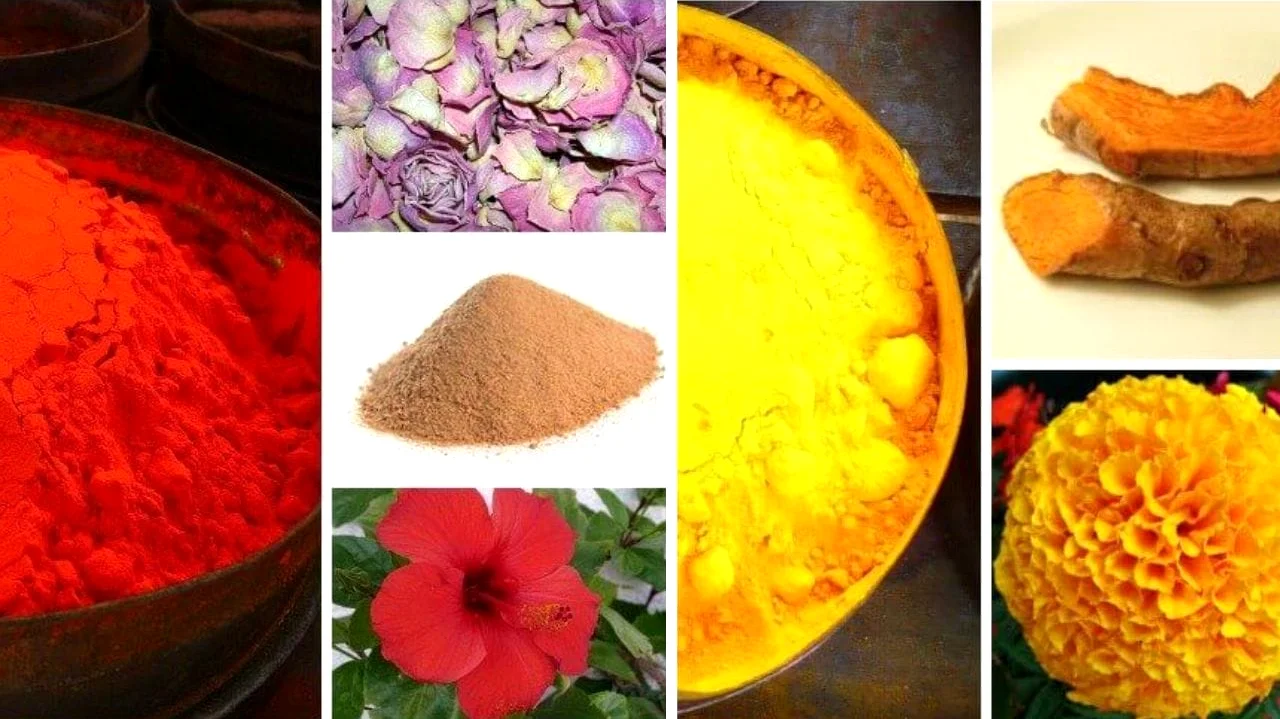
New Delhi — Markets brim with synthetic Holi powders ahead of the festival, but families turn to beetroot, spinach and turmeric for safe alternatives. Officials from health advocacy groups warn that store-bought colours often carry harsh chemicals that sting eyes, irritate skin and stain clothes permanently. Home preparation offers vibrant reds, greens, yellows and blues without the risks, especially for children and those with sensitive skin.
Grating beetroot, drying it under the sun and grinding it yields a rich red powder. According to traditional recipes shared by home cooks, this method produces enough for a family celebration in under a day. Boil the same root in water, cool and strain for a wet pink dye that applies smoothly.
Turmeric delivers bold yellow when mixed with gram flour. The blend softens the powder’s texture for easy throwing. Sun-dried marigold petals, ground with cornflour, create orange hues. Soak tesu flowers overnight in water, then strain, for a liquid version that holds colour through hours of play.
Spinach paste spread thin and dried makes green powder. Juice from the leaves, diluted with water, serves as a wet colour. Neem leaves, dried and powdered, add an earthy green with natural antibacterial properties, experts note.
Rose petals crisp in sunlight turn into pink dust. Red sandalwood powder works straight from the packet as herbal gulal. For blue, dry hibiscus or jacaranda petals and crush them fine. Soak overnight in warm water for liquid blue. Indigo powder blended with cornflour offers another dry option.
Quick wet colours come from pomegranate peels, hibiscus or marigold steeped in warm water. Overnight soaking extracts deep shades; boiling beetroot intensifies pinks and purples. These steps use everyday ingredients, cost pennies and cut waste from plastic packaging.
Festivities gain meaning with this approach. Skin stays protected. The environment benefits from plant-based dyes that wash away cleanly. Families report fewer allergies and rashes after switching. One Delhi mother shared how her toddler played all day without red eyes or itchiness.
Sun-drying takes one to two days depending on weather. Grinding needs a blender or mortar. Store powders in airtight jars for reuse next year. Liquid dyes keep in the fridge up to a week. Add a few drops of oil to wet colours for better spread.
Holi falls March 25 this year. Preparations ramp up now. Community groups in cities like Mumbai and Bengaluru host workshops on natural gulal. Participants learn to scale recipes for large events. The shift reflects wider calls for sustainable festivals amid pollution concerns.
Health experts endorse the practice. Dermatologists say natural colours reduce contact dermatitis cases post-Holi. Environmentally, they biodegrade unlike synthetic mica-based powders that clog drains. A small kitchen effort transforms celebrations into safer, greener affairs.






Comments
No comments yet
Be the first to share your thoughts