

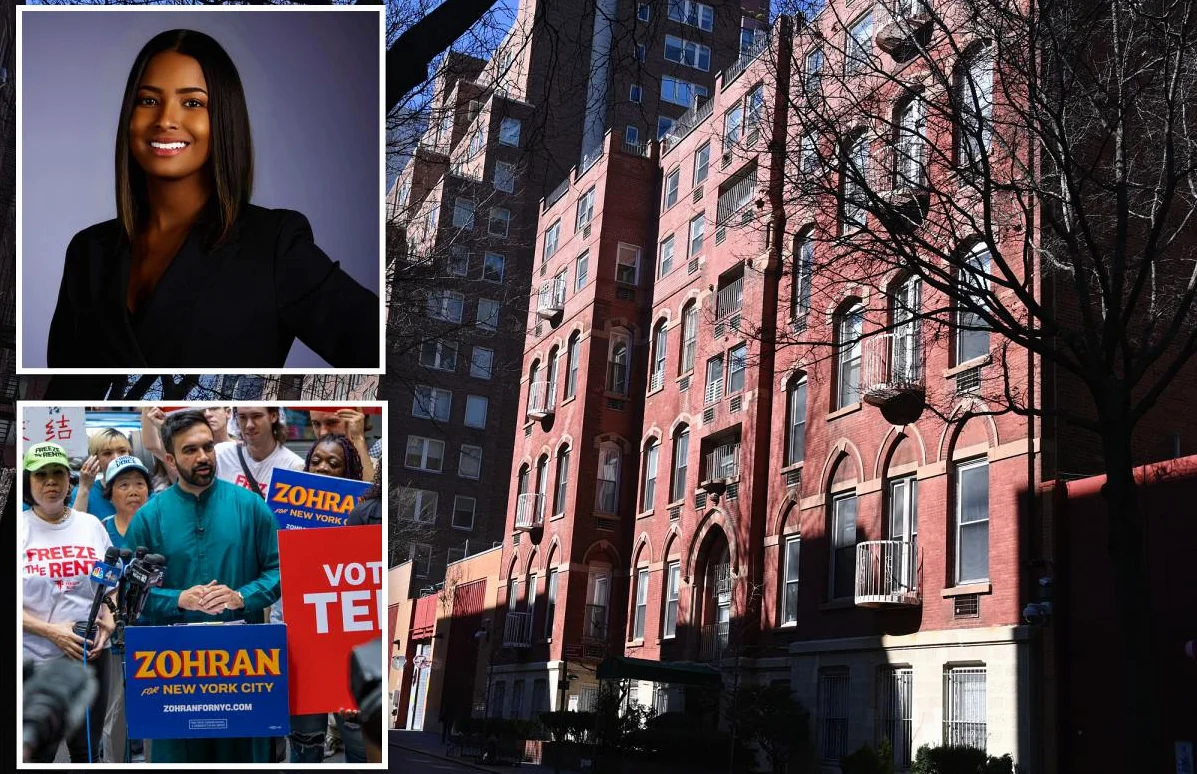
Manhattan’s rental market has hit a historic milestone, with the median rent soaring to $5,000 in February 2026, according to reports by The Corcoran Group and Rent Hop. This represents a 6% increase from the previous year, signaling a stark reality for prospective renters in one of the world’s most expensive cities.
Market Tightness and Supply Constraints
According to Gary Malin. Chief Operating Officer of Corcoran. The rental market has become more challenging than ever for home seekers. He noted that inventory levels are at the tightest in nearly four years, with only 5,290 active listings across Manhattan in February, a 26% drop compared to the same period last year.
“Nothing’s going to pop up. And the prices will keep increasing over time – they’re not decreasing,” said Manhattan Group Realtor Jordan St. John. “Everything in the world is getting more expensive.”
With a vacancy rate of just 2%, the market is effectively gridlocked. Real estate experts warn that the scarcity of available units is a key driver of the rising prices. St. John added that the lack of new listings is making the situation even worse for renters, who are facing increasingly steep costs.
Rising Prices Outpacing Inflation
Rental rates in New York, Newark and Jersey City increased by 3.7% since the previous year, according to the US Bureau of Labor Statistics. However, the Consumer Price Index for these areas only rose by 3.2% during the same period, indicating that rent increases are outpacing general inflation.
“Two years ago, renters could get a ‘flex-two,’ which is where you get a one bedroom, you put a wall up to make the rent cheaper… for like $4,000 a month. Now you need to pay like $5,000 at least,” St. John said, highlighting the dramatic shift in affordability.
The Fairness in Apartment Rental Expenses (FARE) law, intended to shift broker fees from tenants to landlords, has instead led to higher rent costs. St. John explained that the law has resulted in landlords incorporating the fees into rent prices, effectively increasing the cost for renters.
Legislation and Market Dynamics
The Housing Stability and Protection Act has also played a role in the rising rent crisis. The law placed strict limitations on landlords, including banning vacancy bonuses and making preferential rents permanent. This has reduced the incentive for landlords to renovate or bring properties up to code, resulting in a stagnation of the rental inventory.
“What’s happened is because owners can’t really liberate those apartments and make a decent return on them, a lot of those apartments obviously do not hit the open market,” Malin explained. “So there’s this inventory of listings that could be available that are not because the owner can’t afford to renovate them, bring them up to code and make any return on his or her investment.”
Mayor Eric Mamdani’s push to freeze rent on the approximately one million stabilized units across the city has raised concerns among real estate professionals. Malin warned that landlords will likely offset the financial impact by charging free market tenants more, further exacerbating the crisis.
“How do you think [landlords] are going to make up for that shortfall?” Malin said. “They’re gonna charge the free market tenants more money. You start to realize that while people might have gone into all these policies with the best of intentions to help solve a problem, the results tell you that they haven’t worked.”
Financial Barriers for Renters
According to Rent Hop analyst Rohan Sinha, more than 80% of households earn less than the standard “40-times the rent” requirement set by NYC landlords. This has led to a situation where many potential renters are being excluded from the market.
“With that restriction, a lot of people are getting weeded out,” Sinha said, highlighting the growing divide between the city’s residents and the financial demands of the rental market.
While Corcoran and Rent Hop both reported the median rent reaching $5,000, StreetEasy estimated the February median at $4,700, a 6.9% increase from last year. Each organization uses its own data to arrive at their figures, highlighting the complexity of tracking rental trends in such a dynamic market.
Personal Impact and Future Concerns
Tyler Chiu, a 26-year-old radiation therapist, still lives with his parents on Staten Island and may remain there for the foreseeable future. “It’s too expensive to move out. It’s really ridiculous,” Chiu said, describing the struggle to afford a place in Manhattan.
Many renters are also dreading the end of their leases. Sidnye Unger, 26, who lives in a “flex-two” in the Financial District, said she is lucky to have a roommate and is trying to mentally prepare for when her lease is up in August. “I don’t foresee myself not having a roommate,” she said, highlighting the growing reliance on shared living spaces to manage rising costs.
The situation in Manhattan’s rental market shows no signs of abating. Experts warn that without significant policy changes or market interventions, the median rent is expected to continue climbing, further straining the financial stability of residents and exacerbating the housing crisis in one of the world’s most expensive cities.






Comments
No comments yet
Be the first to share your thoughts