

 BBC
BBC 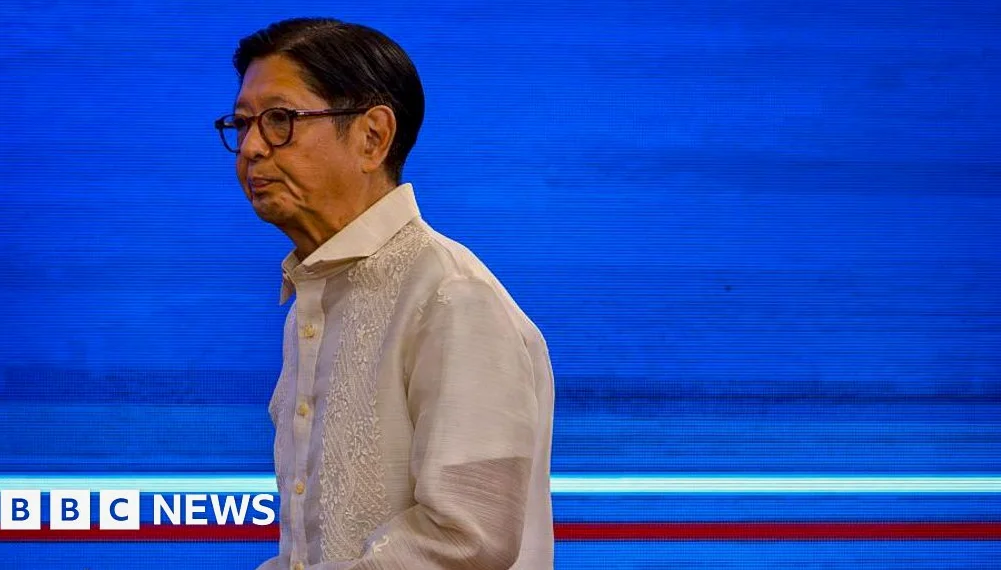
Philippine President Ferdinand Marcos has declared a national energy emergency, promising a ‘flow of oil’ to combat soaring fuel prices linked to the war in Iran, according to the BBC. In a televised address. Marcos said the government would procure one million barrels of oil to add to the current stock, which is good for 45 days. ‘We will have a flow of oil. Not just one delivery. Not two deliveries, but a flow of oil-related products,’ he said.
Impact on Fuel Prices and Daily Life
The Philippines, which imports 98% of its oil from the Gulf, became the first country to declare an energy emergency after local diesel and petrol prices more than doubled since the war broke out on 28 February. The US-Israel war with Iran and the effective closure of the Strait of Hormuz – a key shipping route – have sent shock waves through global energy markets, causing shortages and price rises.
The price of petrol and diesel spiked again on Tuesday, rising to more than double its pre-war level in February. This has had a direct impact on ordinary Filipinos, with transport costs increasing sharply and many families struggling to afford basic necessities. According to Energy Secretary Sharon Garin, the country had about 45 days of fuel supply left, prompting the government to temporarily depend more heavily on coal-fired power plants to meet its energy needs.
Marcos emphasized that ‘nothing is off the table’ and that the government is considering all possible solutions to address the crisis. ‘We are looking at everything we can do, whatever suggestion, whatever idea,’ he said. The declaration of an energy emergency grants the government the legal authority to impose measures to ensure energy stability and protect the broader economy.
International Collaboration and Domestic Criticism
Philippine Ambassador to the US Jose Manuel Romualdez told Reuters that Manila is working with Washington to secure exemptions that would allow the country to import oil from US-sanctioned countries. The Philippines is one of the US’ closest allies in the Pacific, and this collaboration is seen as a key step in securing alternative fuel sources.
Under Marcos’ order, a committee has been formed to oversee the orderly distribution of fuel, food, medicines, and other essential goods. The government has also been empowered to directly purchase fuel and petroleum products to shore up supplies. The declaration will remain in place for one year, unless it is extended or lifted by the president.
However, the emergency declaration has drawn criticism from some domestic groups. One of the country’s main labor coalitions, the Kilusang Mayo Uno (KMU), strongly criticized the emergency declaration, calling it an ‘admission’ that the government failed to address the oil crisis. The KMU also accused the administration of downplaying the situation earlier, saying previous claims that ‘everything is normal’ were misleading.
The KMU raised concerns about what it describes as ‘anti-worker provisions’ in the executive order – particularly clauses that could restrict activities seen as disrupting economic activity, including strikes. They warn this could effectively limit workers’ ability to protest at a time when fuel prices are already hitting incomes.
Business Backing and Upcoming Protests
Tycoon Manuel V. Pangilinan, who chairs major utilities companies, has backed the emergency powers. In a statement, he said his companies are feeling the strain of rising energy costs and warned the crisis is beginning to affect business operations, but added that the government ‘should have every option’ available to steer the economy through what he described as a difficult period.
Transport workers and other groups including ride-hailing services are planning a two-day strike on Thursday and Friday, reflecting wider anger over rising fuel costs and what they see as a slow or inadequate response from the government. Transport union coalition Piston – which is leading planned strike action – has laid out sweeping demands from scrapping fuel taxes and rolling back oil prices, to abandoning deregulation and introducing state controls. They are also pushing for fare increases and higher wages.
Since hostilities in the Middle East began, the government has offered subsidies to transport drivers, reduced ferry services, and implemented a four-day work week for civil servants to save fuel. However, these measures have not been enough to alleviate the growing crisis, with fuel prices continuing to rise and daily life becoming increasingly difficult for many Filipinos.
Asia is particularly exposed to the blockade of the Strait of Hormuz. Last year, nearly 90% of all the oil and gas that passed through the waterway was bound for the region. The Philippines, as a major importer, has felt the impact acutely, with no immediate relief in sight.
As the energy emergency declaration remains in place, the government faces mounting pressure to find a sustainable solution to the fuel crisis. With the economy at risk and public frustration growing, the coming months will be critical in determining how effectively the administration can address the challenges posed by the war in the Middle East.





Comments
No comments yet
Be the first to share your thoughts