

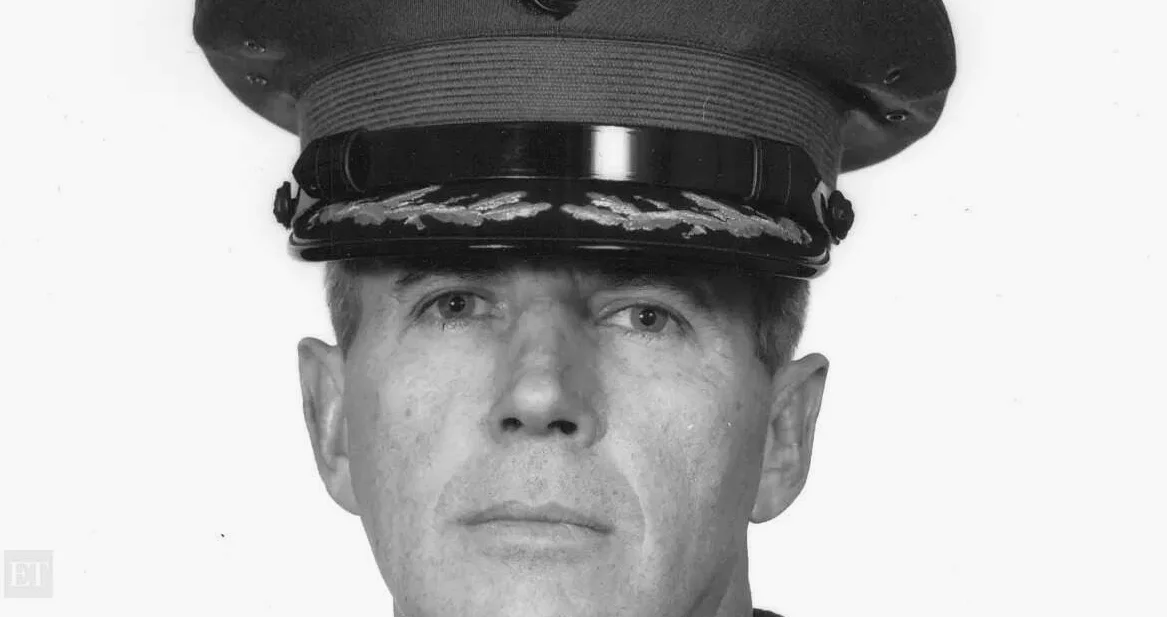
Marine Capt. John Ripley, a decorated United States Marine Corps officer who single-handedly destroyed the Dong Ha Bridge under heavy fire in 1972, is set to receive the Medal of Honor posthumously. The Senate approved special legislation to clear the way for the award, though final approval from President Donald Trump remains pending.
The Heroic Bridge Destruction
On April 2, 1972, Ripley, then a captain, was ordered to stop a North Vietnamese Army advance. He was tasked with halting two enemy divisions that were moving through the Cua Viet River region. The Marine battalion he was with suddenly found itself in the path of the North Vietnamese forces, which included tanks larger than their own and backed by heavy armor.
According to the National Museum of the Marine Corps, Ripley hung from the Dong Ha Bridge for three hours while setting charges under the structure to delay the enemy advance. During this time, he faced sniper fire from the opposite bank and later a tank that fired at his position. A shell from the tank ricocheted and exploded on the riverbank, but Ripley continued his mission.
Ripley described the harrowing experience to the U.S. Naval Institute, as reported by Task & Purpose: ‘I’m dangling under the bridge and hanging by my arms with a full load of explosives. I would drop down out of the steel, grabbing the flanges of the I-beam; swing sideways, and leap over to handwalk all the way out over the river.’
Over the course of three hours, Ripley made five trips across the river, eventually placing 500 pounds of explosives on the bridge. His actions delayed the North Vietnamese advance and earned him the Navy Cross, which he was awarded for his valor. Now, advocates are pushing for the recognition to be upgraded to the Medal of Honor, the nation’s highest military honor.
A Legacy of Service
John Walter Ripley was born on June 29, 1939, in Radford, Virginia. He graduated from Radford High School in 1957 and enlisted in the Marine Corps for one year before attending the United States Naval Academy. He obtained a bachelor’s degree in electrical engineering and was commissioned as a second lieutenant in the Marine Corps in June 1962.
Ripley was assigned to the Marine detachment aboard the USS Independence and was to first lieutenant in December 1963. He later returned to Vietnam in 1971, arriving in Dang Hu as an experienced and well-trained officer with nearly a decade of elite training and combat tours in Vietnam and other regions.
Ripley retired from the Marine Corps in 1992 as a colonel. After his military service, he became the president of a small college in Virginia and later served as the director of the Marine Corps History and Museums Division. He was inducted into the U.S. Army Ranger Hall of Fame in 2008.
Recognition After Decades
Ripley’s actions during the Vietnam War have been widely recognized for their bravery. His fellow Marines, friends, and advocates have long pushed for his Navy Cross to be upgraded to the Medal of Honor. The Senate’s recent approval of special legislation is a significant step toward fulfilling this request.
While the Senate has cleared the way for the award, the final approval from President Donald Trump is still pending. Once approved, the Medal of Honor will be presented posthumously to Ripley, who passed away in 2008. The award will serve as a fitting tribute to his extraordinary courage and sacrifice during the Vietnam War.
Ripley’s story is a powerful reminder of the sacrifices made by service members during the Vietnam War. His actions not only delayed an enemy advance but also inspired future generations of Marines and military personnel. As the nation moves forward, the recognition of his heroism highlights the importance of honoring those who have served their country with distinction.






Comments
No comments yet
Be the first to share your thoughts