

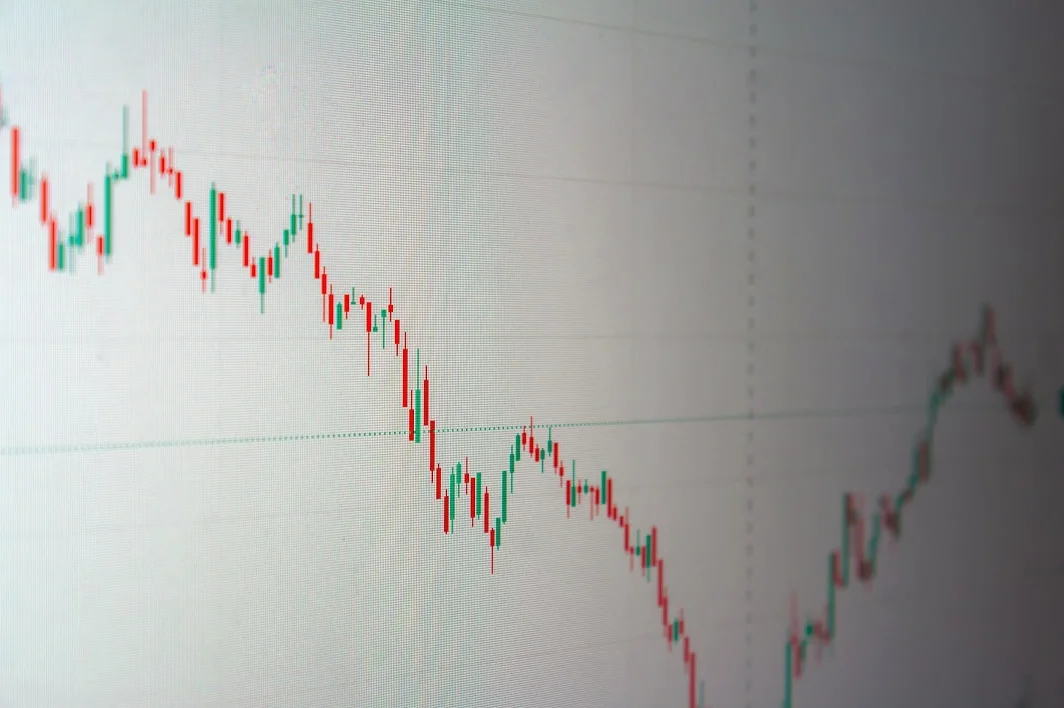
Market futures experienced extreme volatility on Monday after conflicting reports emerged about U.S.-Iran diplomatic efforts, with Dow futures initially surging 1,100 points before collapsing 1,000 points within hours. According to CNBC. The surge followed President Donald Trump’s assertion that the U.S. and Iran had held ‘productive’ talks, but this was quickly contradicted by other reports indicating Trump had issued a 48-hour ultimatum to Iran.
Conflicting Signals from Trump’s Statements
The contradictory messages from Trump created immediate uncertainty in financial markets. According to Reuters. Trump first claimed on social media that he had engaged in ‘very beneficial and productive’ discussions with Iran about resolving hostility in the Middle East, suggesting the U.S. would delay attacks on Iranian power plants for five days. However, other sources reported that Trump had simultaneously issued a 48-hour ultimatum, creating conflicting signals about U.S. intentions.
Japanese officials told Argus Media that the conflicting statements raised concerns about the credibility of U.S. foreign policy, with one analyst stating, ‘When a leader gives contradictory messages, it creates chaos in global markets.’
Korean media reported that the KOSPI 200 futures plunged 5% as investors reacted to the uncertainty, triggering a sell-off in sidecar contracts. According to the Korean newspaper, the sharp decline was partly due to fears that the 48-hour ultimatum might be more significant than the reported productive talks.
Oil Market Turbulence and Geopolitical Risks
The oil market experienced significant swings as investors assessed the geopolitical risks. According to Investopedia, Trump’s warning about Iran’s actions in the Strait of Hormuz caused oil prices to spike, with Treasury yields rising and gold and silver prices falling. The volatility was exacerbated by reports that Iran had launched strikes in response to U.S. threats, according to Yahoo Finance.
Experts warn that the situation could lead to prolonged instability in the oil infrastructure. Tom Sosnoff, founder of Lossdog, told Yahoo Finance that the market might need ‘3 to 5 years’ to recover from the current turbulence, emphasizing the long-term implications for global energy markets.
Argus Media analysts noted that the uncertainty surrounding Trump’s statements had already begun to affect iron ore markets, with China’s decision to abandon a benchmark price mechanism adding to the volatility. The interplay between geopolitical tensions and commodity markets is creating a complex landscape for investors.
Regional Market Reactions and Investment Strategies
Regional markets showed varied responses to the developments. In South Korea, the KOSPI 200 futures fell sharply as investors fled to safer assets, according to the Korean newspaper. Meanwhile, in the U.S., market participants were divided between those who saw the productive talks as a potential de-escalation and those who feared the 48-hour ultimatum could lead to immediate conflict.
Financial analysts suggest that the situation highlights the importance of diversification in investment strategies. According to Investopedia, gold prices fell as investors shifted their focus to Treasury bonds, reflecting a flight to safety amid geopolitical uncertainty. However, some experts argue that the long-term outlook for commodities like oil and iron ore might remain positive if the tensions subside.
Japanese market observers noted that the situation could have lasting effects on the yen’s value, with one analyst stating, ‘The yen’s strength against the dollar is likely to persist as investors seek refuge from geopolitical risks.’
What’s Next for Global Markets
Market participants are now closely watching for further developments in the U.S.-Iran negotiations. According to Reuters, the next 48 hours will be critical in determining whether the reported productive talks lead to a de-escalation or if the ultimatum triggers immediate hostilities. The outcome could have far-reaching implications for global trade routes and energy markets.
Experts warn that the situation could lead to prolonged volatility in financial markets. According to Yahoo Finance, the uncertainty surrounding Trump’s statements has already caused significant swings in stock and commodity markets, with the potential for further turbulence if the situation escalates.
Investors are advised to remain cautious and monitor developments closely. According to Argus Media, the interplay between geopolitical tensions and commodity prices is likely to continue influencing market movements in the coming weeks, with the situation remaining highly unpredictable.






Comments
No comments yet
Be the first to share your thoughts