

 Daily Mail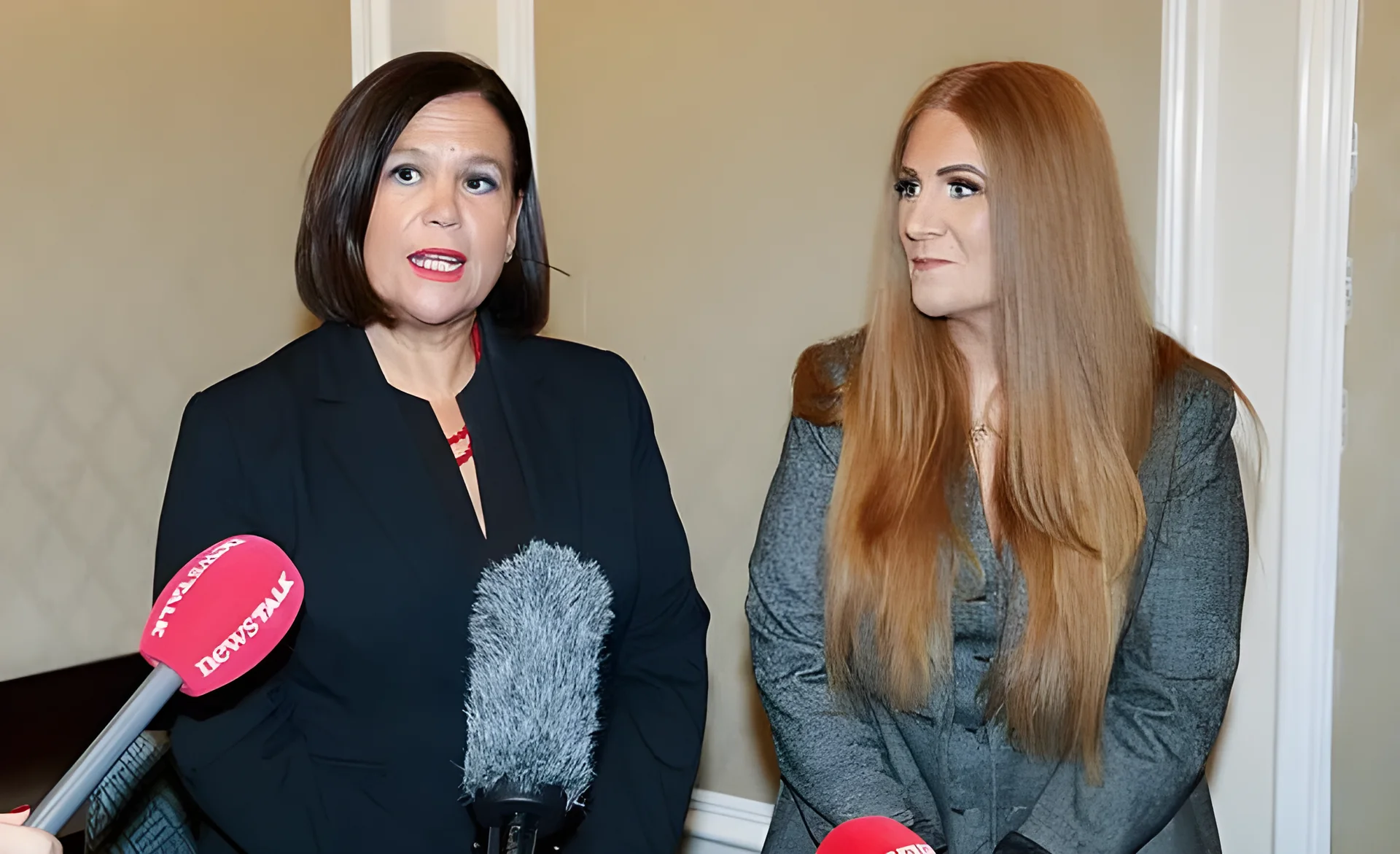
Sinn Féin leader Mary Lou McDonald is reportedly unsettled by the selection of Janice Boylan as the party’s candidate for the Dublin Central by-election, which is set to take place in May. Boylan, who received less than 1,000 votes in the 2024 general election, was chosen by local members after internal party divisions. This decision contrasts with McDonald’s apparent preference for Gillian Sherratt, a party member from Dublin West and the mother of Harvey Morrison Sherratt, who tragically passed away after being denied critical medical care by the Health Service Executive (HSE).
Leadership Influence and Local Preferences
According to internal sources, McDonald, who currently holds the Dublin Central seat, is believed to have had significant influence over the candidate selection process. The choice of Boylan, a local figure, over Sherratt, who has gained national visibility, may be perceived as a snub to the party leader, despite the lack of formal approval from the leadership for Sherratt to run.
Boylan’s path to the nomination was not without controversy. She initially entered the race following internal party disagreements, and her selection has raised questions about the extent of McDonald’s involvement in the decision. While Boylan may benefit from the Sinn Féin votes McDonald received in the 2024 election, the turnout for the party could be lower in the by-election, adding to the uncertainty.
Complicating matters further is the potential challenge from Gerry Hutch, a convicted criminal known as ‘The Monk,’ who previously failed to secure a seat in the 2024 general election. Hutch has announced a campaign to register new voters in the constituency, which could significantly impact the by-election outcome.
Security Concerns for Israel Match
Garda Commissioner Justin Kelly has acknowledged the complexities surrounding the Republic of Ireland men’s football team’s upcoming match against Israel on October 4. The game, which will take place in Dublin, presents a unique set of security challenges, particularly given the political tensions involving the Israeli government.
Commissioner Kelly stated that the Garda will be deploying a major policing plan for the event, including highly trained senior officers and significant resources. He emphasized that the force is prepared to handle any potential disruptions, including protests or incidents on the pitch.
The match has drawn comparisons to past incidents, such as the 1995 clash between the Republic of Ireland and England at Lansdowne Road, which was abandoned due to hooliganism. However, the current situation is expected to be different, with the risk of Irish fans protesting the Israeli presence, potentially leading to tensions.
While the Garda has experience managing high-profile events, the possibility of fan violence remains a concern. Commissioner Kelly warned that any criminal activity at the match will be met with strict enforcement, including arrests if necessary.
Political and Ethical Dilemmas
The decision to host the match in Dublin has sparked debate, with some arguing that UEFA should reconsider allowing Israel to participate in European competitions, given the humanitarian crisis in Gaza. Others believe that the match should be held behind closed doors at a venue outside Ireland, similar to how Belgium moved a game from Brussels to Hungary.
Despite these concerns, the match is set to proceed in Dublin, with the Garda preparing for potential protests outside the venue. Organizers are urging supporters to express their views peacefully, emphasizing that disruptive actions will not benefit the people of Gaza.
As the by-election and the football match approach, the political landscape in Ireland remains uncertain. The outcome of the by-election could have implications for Sinn Féin’s strategy in the 2029 general election, while the security measures for the Israel match will be closely watched by both the public and international observers.






Comments
No comments yet
Be the first to share your thoughts