

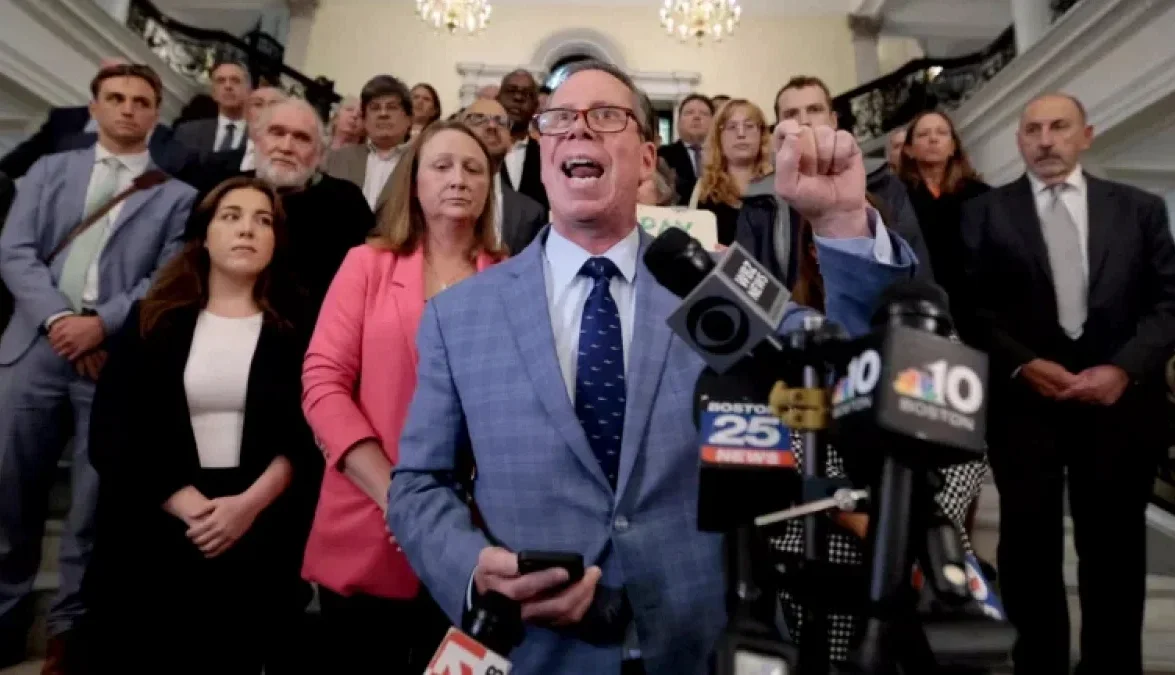
BOSTON — Anthony J. Benedetti, chief counsel for Massachusetts’ Committee for Public Counsel Services, declared a breakthrough in the state’s public defense crisis after rapidly assigning more attorneys to poor defendants. The effort ramped up hiring and temporary pay hikes, filling gaps left by private lawyers who halted work in late May over inadequate compensation.
Bar advocates walked off the job May 28, refusing assigned cases in district and superior courts. They cited the $65 hourly rate for district work, unchanged for years despite inflation and rising caseloads. Defendants went unrepresented at arraignments and bail hearings, prompting judges to release some without conditions and delay others’ cases. CPCS stepped in with staff attorneys and incentives to lure private practitioners back.
“This is a turning point,” Benedetti said in a statement last week. The agency added 40 new lawyers since June, according to its latest update. Temporary rates jumped to $100 per hour for district court cases through March 31. Officials expect to assign counsel in 95% of cases within 14 days, up from 60% before the stoppage.
Governor Maura Healey’s administration backed the fixes. Her office endorsed a new law raising baseline pay for bar advocates and allocating $47 million — a 15.9% increase — to expand CPCS in the fiscal year starting July 1. The budget covers 140 additional staff positions statewide.
Leaders of the work stoppage welcomed the changes but urged caution. Shira Diner, former president of the Massachusetts Association of Criminal Defense Lawyers, said the state risks sliding backward after incentives expire. “We’re teetering on the edge of being back where we were,” she told reporters Tuesday.
Sean Delaney, president of the Massachusetts Association of Private Appointed Counsel and a key organizer of the stoppage, traced the problems to decades of neglect. “This has been neglected for so long,” Delaney said. Private attorneys handle 85% of indigent cases in the state, but numbers have dropped 20% since 2019 amid low pay and heavy workloads.
The crisis echoes nationwide. California faces a 25% vacancy rate in public defender offices, while New York City reported 1,500 unassigned cases last month. In response, those states have pursued similar pay boosts and hiring drives. Internationally, legal aid systems in the UK and Australia grapple with funding cuts and attorney burnout, according to a 2023 report from the International Legal Assistance Consortium.
Massachusetts courts have adapted. Superior Court Chief Justice Diana L. Scott issued guidelines last month allowing judges to appoint CPCS staff over private counsel when delays threaten speedy trials. The state Supreme Judicial Court will rule by year’s end on whether judges can force budget reallocations in future crises — a decision that could influence other states.
CPCS reports show progress: In Suffolk County, assignment times fell from 21 days to seven. Hampden County hit zero backlogs last week. Still, rural areas like Berkshire County lag, with 15% of cases pending over two weeks.
Experts credit the fixes to pressure from the stoppage, which idled 400 court sessions over three weeks. The Massachusetts Bar Association called it a model for reform, though it warned that without permanent rate hikes to $120 per hour, shortages will return. Healey’s office plans hearings next month on long-term funding.
Benedetti emphasized sustainability. “We’re building capacity, not just plugging holes,” he said. With 70,000 indigent cases annually, the state aims to shift 30% to full-time public defenders by 2026.

Comments
No comments yet
Be the first to share your thoughts