

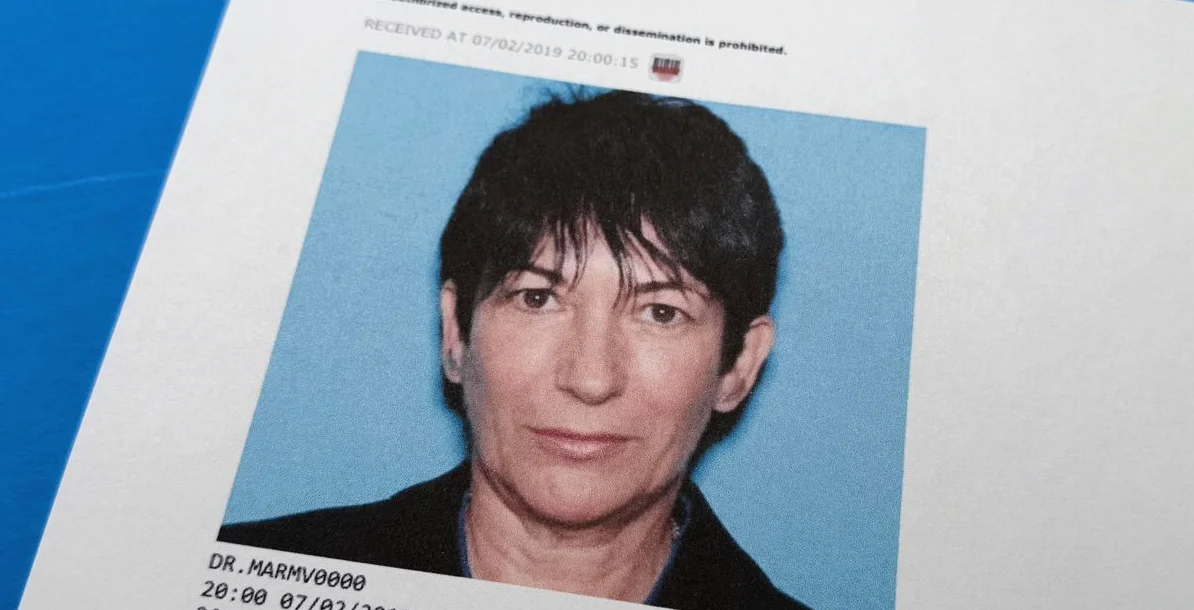
Manhattan federal court received the urgent filing from Ghislaine Maxwell’s lawyers late Friday. The documents target materials from a civil defamation case Virginia Giuffre, an Epstein victim who died last year, brought against Maxwell more than 10 years ago. That suit ended in a settlement years back.
The push to unseal comes from the Department of Justice. Prosecutors asked a judge recently to lift confidentiality orders on the 90,000 pages. Maxwell’s team fired back, zeroing in on a law Congress passed last December. That measure requires public release of millions of Epstein-related files already in government hands.
“Under the Constitution’s separation of powers, neither Congress nor the Executive Branch may intrude on the judicial power,” the lawyers wrote in their submission, according to court records.
Maxwell, the 64-year-old British socialite, has served time since her December 2021 conviction on sex-trafficking charges. A federal jury found her guilty of recruiting and grooming underage girls for Epstein. Judge Alison Nathan handed down a 20-year sentence the following June. Last summer, prison officials transferred her from a Florida facility to a low-security camp in Texas. The move followed two days of interviews with Deputy Attorney General Todd Blanche.
Victims have voiced sharp frustration over prior releases. Some saw their names and personal details exposed in unsealed documents, while abusers’ identities stayed redacted. Members of Congress have piled on, noting that only about half of known Epstein files have surfaced publicly. Many of those came with heavy blackouts. Department of Justice officials insist they’ve disclosed everything possible, save for files awaiting a judge’s approval.
The dispute traces back to Epstein’s vast web of abuse, which ensnared powerful figures. Giuffre’s separate 2021 lawsuit against Prince Andrew—full name Mountbatten-Windsor—drew global headlines. She accused him of having sex with her at age 17. The prince denied it. The two sides settled in 2022.
Maxwell’s current bid highlights ongoing battles over Epstein’s legacy. Her lawyers argue the new law oversteps by dictating what judges can seal or unseal in private civil cases. The Manhattan court now holds the decision on whether the 90,000 pages see daylight. A ruling could ripple through other Epstein-linked litigation still simmering in federal dockets.
Pressure for full transparency has mounted since Epstein’s 2019 jailhouse death. Prosecutors labeled it a suicide. Waves of documents have trickled out since, revealing names from Bill Clinton to Alan Dershowitz. Yet gaps persist, fueling demands from victims’ advocates and lawmakers alike.






Comments
No comments yet
Be the first to share your thoughts