

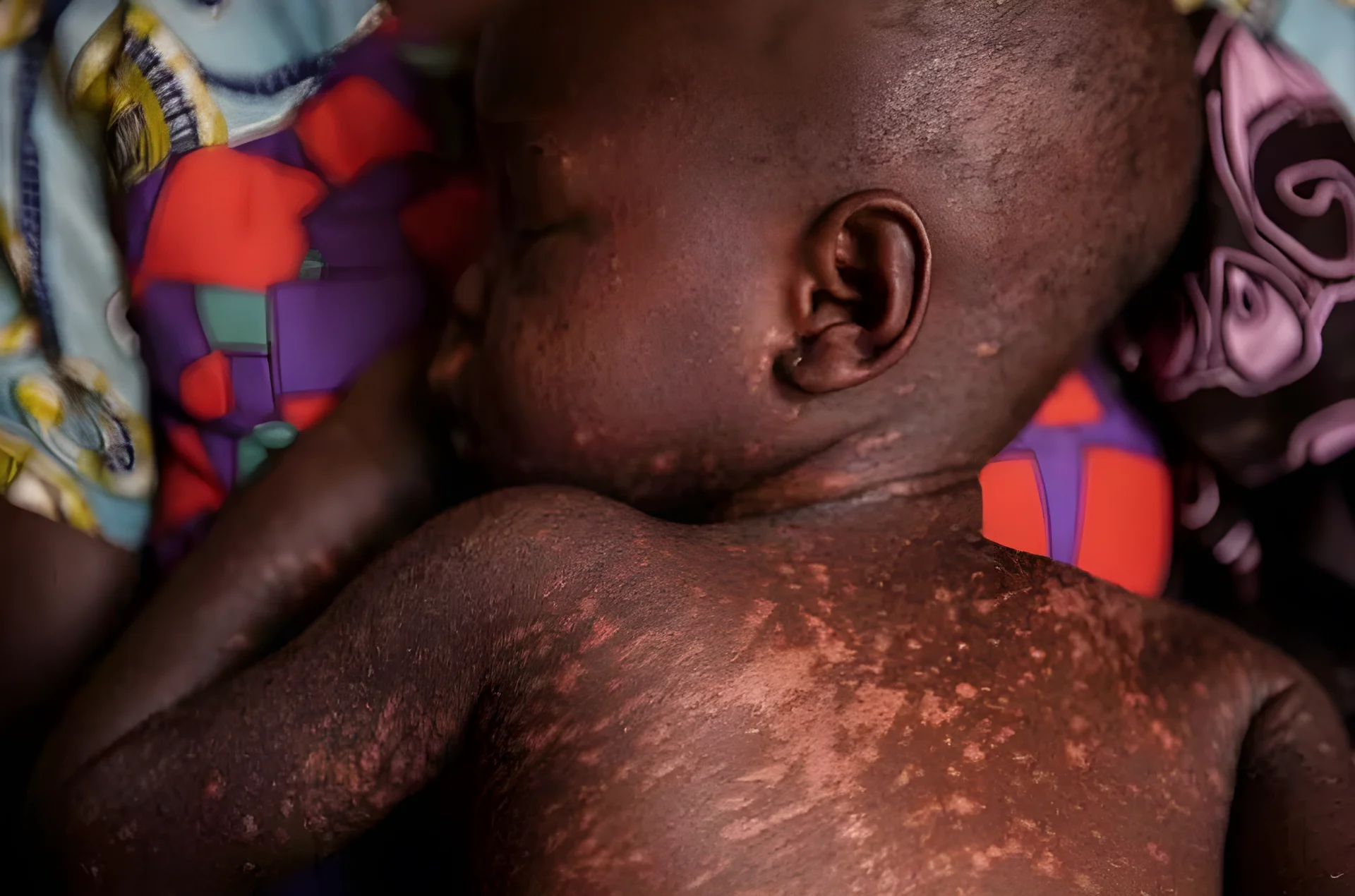
More than 140,000 people died of measles in 2018, a figure that highlights the persistent threat posed by the highly contagious viral disease, particularly in low-income countries with underdeveloped health systems. The World Health Organisation (WHO) has repeatedly warned about the resurgence of preventable diseases, including measles, which remains a leading cause of death among children under five years of age. Despite the availability of a safe and effective vaccine, the disease continues to spread in parts of Africa, Asia, and other regions with limited access to immunisation programs.
Measles: A Persistent Global Health Threat
Measles is a viral illness that spreads through coughing and sneezing, with symptoms including high fever, cough, runny nose, red watery eyes, and a rash that typically begins on the face and spreads across the body. The disease is known to cause severe complications, including blindness, pneumonia, encephalitis, and even death, especially in young children and those with weakened immune systems. According to the WHO, the global measles death rate has dropped by 73% since 2000, but progress has stalled in recent years, with outbreaks flaring up in countries that have previously seen declines.
In 2018, the countries with the highest rates of measles outbreaks included Nigeria, India, Pakistan, Liberia, Ethiopia, Afghanistan, the Democratic Republic of Congo, Indonesia, and Ivory Coast. These nations often struggle with inadequate healthcare infrastructure, vaccine shortages, and low immunisation coverage. In Zimbabwe, for example, the cumulative number of measles cases had risen to 2,056 as of August 15, 2022, with at least 157 deaths recorded since April of that year. Officials have expressed concern over the high mortality rate, particularly among children who could have been protected through vaccination.
Challenges in Measles Control
The spread of measles in Zimbabwe has been exacerbated by various factors, including the disruptions caused by the global pandemic. While the country maintained high alert status and continued immunisation efforts during the peak of the COVID-19 outbreak, the overall progress in containing measles has been hindered by vaccine shortages and logistical challenges. According to health officials, the lack of sufficient vaccines, combined with delays in their acquisition, storage, and distribution, has contributed to the resurgence of the disease.
Another critical challenge lies in the reluctance of some communities to accept vaccines. In Zimbabwe, certain religious sects, including the Apostolic faith, have been accused of discouraging members from seeking medical care. This belief has led to a significant number of unvaccinated children, increasing their vulnerability to outbreaks. Public health experts have warned that such resistance to immunisation poses a serious threat to global efforts to eliminate measles.
Health practitioners in the country have called for increased engagement with traditional and faith-based leaders to promote vaccination programs. They argue that involving these influential figures can help bridge the gap between the health sector and communities that are hesitant to adopt modern medical practices. In addition, they have recommended the creation of special legislation to mandate vaccinations for children, ensuring that all citizens have access to life-saving immunisations.
Call for Urgent Action
Health officials have urged the public to remain vigilant and take immediate action to prevent the spread of measles. They emphasize that the disease is highly contagious, with symptoms appearing between seven to 14 days after exposure. Early detection and prompt medical intervention are crucial in preventing complications and saving lives. The WHO has raised alarms about the increasing number of preventable disease cases in Africa, with measles cases rising by at least 400% in some regions.
In response to the growing threat, health authorities are calling for an accelerated vaccination drive, including the recruitment of more healthcare workers, the acquisition of additional vaccines, and improved storage and transportation systems. They also stress the importance of strong case management to ensure that patients receive timely and appropriate care.
Health experts warn that if action is not taken soon, the outbreak could lead to more deaths, particularly among children who are most vulnerable. They urge parents and guardians to ensure that their children receive the necessary vaccinations and to seek medical attention if symptoms of measles are observed. The health community is working closely with local leaders and international partners to combat the spread of the disease and protect public health.
Measles remains a preventable disease, and with the right measures in place, it is possible to eliminate it. However, the success of such efforts depends on the cooperation of governments, healthcare professionals, and the public. As the global health landscape continues to evolve, the fight against measles must remain a priority to safeguard the health of future generations.






Comments
No comments yet
Be the first to share your thoughts