

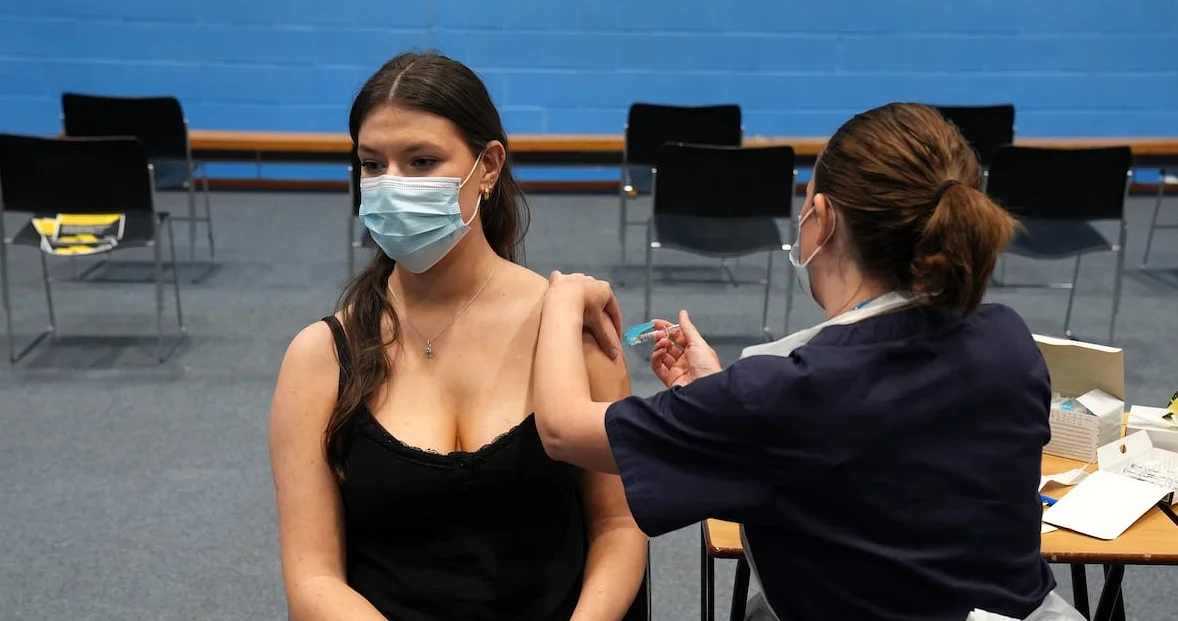
Students at the University of Kent have started receiving meningitis B vaccines as health officials investigate a deadly outbreak linked to a nightclub in Canterbury. Around 5,000 students from the university’s Canterbury campus are being offered the jab, alongside courses of antibiotics, in response to an outbreak that has claimed the lives of two students and has 18 additional cases under investigation by the UK Health Security Agency (UKHSA).
Response to Outbreak and Alert to NHS
The UKHSA has issued a detailed alert to the NHS across England, urging clinical staff to remain vigilant for signs and symptoms of meningitis. The alert highlights that the illness being seen in the Kent outbreak has been severe, with rapid deterioration in patients. It emphasizes the importance of infection control measures before patients are placed on antibiotics, such as the use of face masks and personal protective equipment (PPE).
The alert also advises doctors to maintain a ‘high index of suspicion’ when a young person aged 16 to 30 presents with consistent signs or symptoms of the illness. This directive comes in response to the rapid spread of the disease among young people, particularly those associated with the University of Kent and Canterbury Christ Church University, where confirmed or suspected cases have been reported.
Student Reactions and Vaccine Rollout
The first student to receive the meningitis B vaccine at the University of Kent’s Sports Hall 2 was Oliver Contreras, a 22-year-old postgraduate law student. He expressed relief at receiving the jab, though he criticized the university for not providing more information sooner. ‘I was at one of the social events on Sunday, and I kind of wish I’d got more information before all that,’ he said.
Divine Nweze, an architecture student, also received the vaccine early. His parents insisted he not return home until he was vaccinated. ‘The vaccine rollout should have been done earlier, but now that it’s available, I feel like it is all getting done,’ he said. He added that his parents would allow him to return home once he received the vaccination.
Students who have already left campus are being advised to obtain the vaccine through their GP practices. A letter sent to University of Kent students indicated that the menB vaccine would remain available on campus for the rest of the week. For students who have returned home, arrangements are being made to ensure they can receive the vaccine closer to home, with further details to follow.
Public Health Measures and Vaccine Availability
The UKHSA has also instructed GPs across the country to prescribe antibiotics to anyone who attended Club Chemistry in Canterbury between March 5 and 7, as well as to students from the University of Kent. This measure ensures that individuals who have left campus can receive the necessary treatment. So far, more than 2,500 doses have been administered to students, close contacts, and others who attended the nightclub during the specified period.
The UKHSA has confirmed that there are sufficient supplies of the menB vaccine in the NHS system, despite reports that private pharmacies had struggled to obtain stock. A spokesperson for the UKHSA stated, ‘There are sufficient menB vaccine stocks. We will work with local resilience partners to ensure effective distribution.’
The chief medical officer for Kent and Medway Integrated Care Board, Kate Langford, praised the students for their response to the vaccination campaign. ‘Students have responded brilliantly to their invitation to get vaccinated. This vaccine is highly effective against meningitis B. Our anticipation is it’s effective against the subtype that we’re finding,’ she said.
Spread and Future Concerns
As of Wednesday, five new cases of meningitis have been reported in Kent, bringing the total number of cases under investigation to 20. Of these, nine have been confirmed in the laboratory, with six of the confirmed cases being the meningitis B strain. Canterbury Christ Church University also confirmed a case among its students, raising concerns about the spread of the disease across multiple educational institutions.
Experts are viewing the outbreak as unprecedented due to the high number of cases appearing in a short period. The incubation period for meningitis B is two to 14 days, meaning the number of cases is expected to rise in the coming weeks. Laboratory scientists are currently analyzing the genome of the menB strain identified in the outbreak to determine if it is a mutant strain and whether it is resistant to existing vaccines.
French authorities have confirmed that a person linked to the Kent outbreak was admitted to a hospital in France and is now in stable condition. No other cases have been reported in France, and the UKHSA has stated that the risk of the outbreak spreading to London is low, as the affected individual had no community contacts in the capital.
Political Response and Public Health Messaging
During Prime Minister’s Questions, Sir Keir Starmer expressed his condolences to the families of the two students who died in the outbreak. ‘Our deepest condolences are with the families and friends of the two young people who have died following the outbreak of meningitis B in Kent. Others are seriously ill. This will be a deeply difficult time for their loved ones,’ he said.
Health Secretary Wes Streeting addressed concerns about the outbreak spreading to other parts of the country. ‘No, and lots of students from Kent have already gone home. It’s exam week at the university this week, so there are still quite a few students around sitting their exams. Lots of students will have gone home, and that’s fine. That’s okay,’ he said. He advised people to consider whether they attended Club Chemistry on March 5, 6, or 7 and, if so, to seek antibiotics immediately.
Private pharmacies such as Boots and Superdrug have implemented queuing systems and waiting lists due to high demand for the menB vaccine. However, Streeting emphasized that the NHS has sufficient stock for those who need it. ‘I understand why people would want to access vaccines privately, but people do not need to. There was plenty of NHS stock for those who have been told they need a jab,’ he said.






Comments
No comments yet
Be the first to share your thoughts