

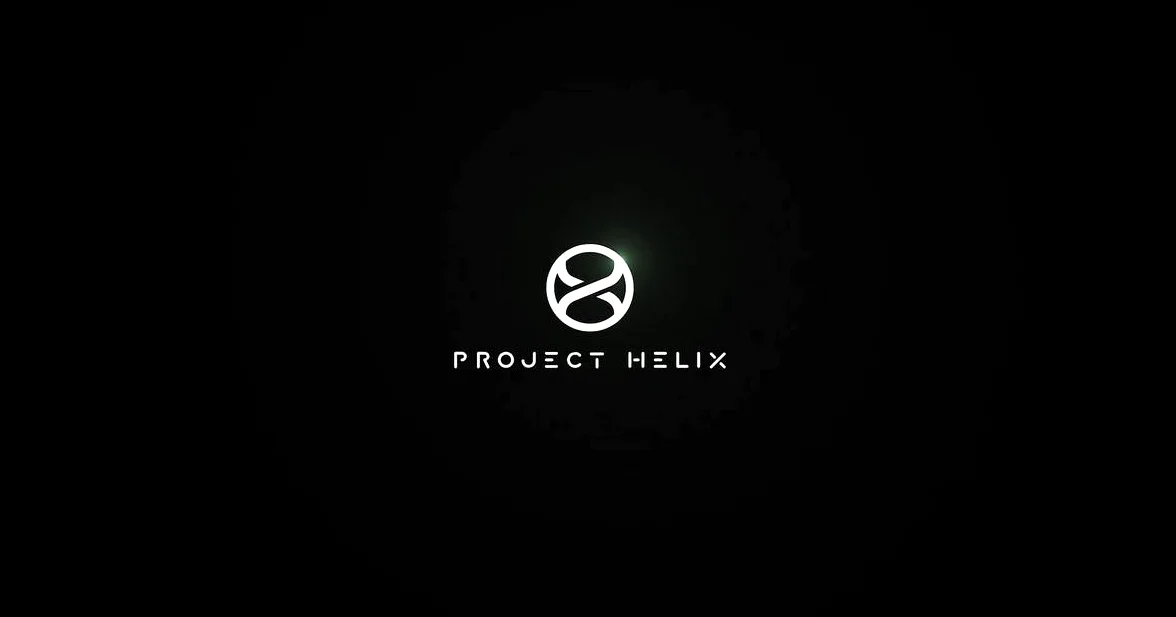
Microsoft has officially revealed the code name for its next-generation Xbox console: Project Helix, as confirmed by newly appointed Microsoft Gaming CEO Asha Sharma. The announcement was made in a post on X, where Sharma expressed excitement about the future of the Xbox brand and the new console.
Project Helix and the Future of Xbox
“Great start to the morning with Team Xbox, where we talked about our commitment to the return of Xbox including Project Helix, the code name for our next generation console,” Sharma wrote. The name Project Helix is tied to a new logo that features a double helix forming an X inside a circle, symbolizing the integration of PC and Xbox games on the next-gen console.
Microsoft has been preparing for this next phase of Xbox development for over a year. In June 2023, the company signed a deal with AMD to co-engineer the silicon for the next-generation Xbox consoles. The agreement indicated that the new console would run on Windows, and would not be restricted to a single store, a move that has fueled speculation about greater openness in the future.
Previously, then-president of Xbox Sarah Bond described the next-gen Xbox as a “very premium, very high-end curated experience,” a term that suggests a higher price point for the console. Bond also hinted that future Xbox consoles might be more open, allowing integration with platforms like Steam and the Epic Games Store.
Microsoft’s Presence at GDC and Future Vision
Microsoft is set to make a significant impact at the upcoming Game Developers Conference (GDC), where it will host a session titled “Building for the Future with Xbox.” Jason Ronald, vice president of next generation at Xbox, will discuss how the company plans to empower game creators with a more flexible and connected ecosystem.
The session description highlights that 2026 will mark the 25th anniversary of Xbox, a milestone that reflects the company’s legacy of innovation. Microsoft has evolved from its first console to the Xbox Series X|S, and now with the introduction of Xbox Cloud Gaming and the ROG Xbox Ally, the company is working to meet players where they are.
“As we look ahead, we remain focused on empowering game creators and enabling smooth play across devices,” the session description states. The emphasis on cross-device compatibility suggests that Project Helix will be a key component in Microsoft’s broader vision for the future of gaming.
Timeline and Expectations for Project Helix
According to current estimates, Project Helix is expected to launch in 2027. This timeline allows Microsoft ample time to refine the hardware, software, and ecosystem that will support the console.
Microsoft Gaming CEO Asha Sharma has stated that under her leadership, the company will see “the return of Xbox.” In February, she emphasized that the new console would be a “return to our roots” and a renewed commitment to the Xbox brand. “It connects us to the players and fans who invest in Xbox, and to the developers who build ambitious experiences for it,” Sharma said.
The announcement of Project Helix follows a series of strategic moves by Microsoft to position itself as a leader in the gaming industry. The company has been investing heavily in cloud gaming, with Xbox Cloud Gaming offering access to hundreds of games across multiple devices. The integration of Xbox Game Pass into the console experience has also been a key selling point for Microsoft.
The new console is expected to support both Xbox and PC games, which aligns with the company’s broader goal of creating a more flexible and connected gaming ecosystem. This approach could potentially disrupt the traditional console market, where hardware is often siloed and exclusive to specific platforms.
As the gaming industry continues to evolve, Microsoft’s focus on cross-platform play and accessibility could influence how other companies approach console development. With Project Helix set to launch in 2027, the coming years will be critical for the company as it seeks to solidify its position in the next generation of gaming technology.






Comments
No comments yet
Be the first to share your thoughts