

Exports of crude oil, condensate, and refined fuels from eight Middle Eastern countries — including Saudi Arabia, Iran, and the United Arab Emirates — averaged 9.71 million barrels per day in the week to March 15, a 61% decline from the 25.13 million barrels per day recorded in February, according to data from Kpler. Another source, Vortexa, reported an even steeper drop, with exports from the same countries falling to 7.5 million barrels per day, a 71% decrease from February’s 26.1 million barrels per day.
Strategic Bottleneck: The Role of the Strait of Hormuz
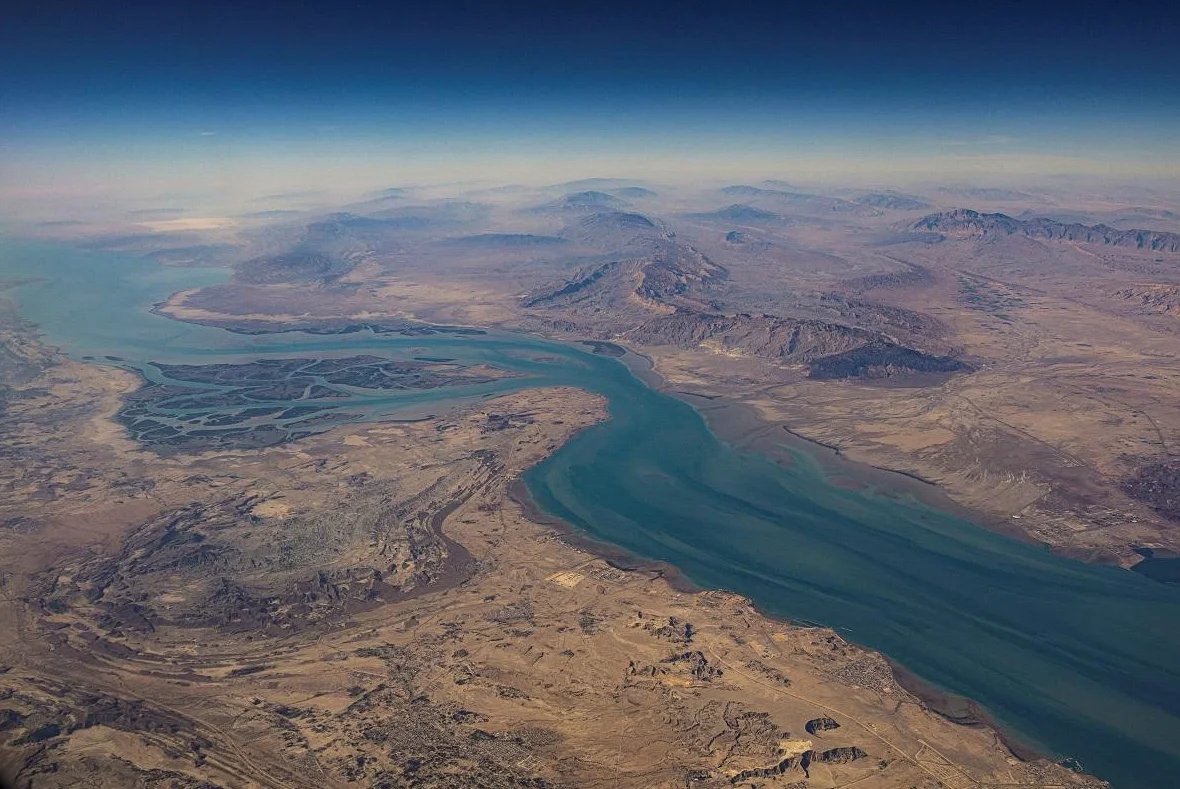
The Strait of Hormuz, which normally handles about 20% of the world’s oil supply, has become a strategic bottleneck following the escalation of tensions between the U.S. and Iran. The closure of this critical maritime passage has forced exporters to cancel shipments and halt production at oilfields, creating the largest supply disruption in modern history. The resulting impact has sent crude oil prices to their highest level in four years, while some fuel prices have reached record highs.
Before the conflict, the eight Middle Eastern countries accounted for 36% of global seaborne oil exports, which totaled 70.43 million barrels per day, according to Kpler. However, the actual export volumes may be even lower than the reported figures, as some oil is being stored in floating tankers rather than being shipped out of the Gulf.
Kpler analyst Johannes Rauball noted that floating storage of Middle Eastern crude has surpassed 50 million barrels this week, compared to pre-war levels of around 10 million barrels. This surge in floating storage indicates that many oil producers are running out of onshore storage capacity and are forced to keep their crude in tankers.
Disruptions Across Key Ports and Production Cuts
The impact of the conflict has been felt across the region, with disruptions reported at key ports and a significant reduction in oil production. Loadings from the UAE’s Fujairah port — a major oil export hub — have been disrupted in recent days due to drone attacks. Despite these challenges, some oil flows continue through alternative routes, including exports from Saudi Arabia’s Red Sea port of Yanbu, Iran’s exports, and Oman’s exports, as well as the UAE’s oil flows from Fujairah.
Total oil output cuts from Middle East producers have risen as countries face storage constraints and traffic through Hormuz remains a fraction of normal levels. The United Arab Emirates, which previously produced about 3.4 million barrels per day, has seen its output drop by more than half. Saudi Arabia has cut production by 20%, while Iraq has reduced output by approximately 70%.
According to analysts, total crude oil output cuts in the Middle East now stand at 7-10 million barrels per day. These reductions have significant implications for global oil markets, as the region accounts for a substantial portion of the world’s oil supply.
Global Economic Impact and What’s Next
The drop in Middle East oil exports has far-reaching consequences for the global economy. The surge in oil prices has increased the cost of transportation, manufacturing, and energy for consumers around the world. In the U.S., where gasoline prices have already been rising due to the conflict, consumers are likely to face even higher costs at the pump. This could lead to inflationary pressures and impact economic growth in both developed and developing nations.
Analysts warn that the situation could worsen if the conflict in the region escalates further. The closure of Hormuz, which has been partially closed for several weeks, could become a prolonged issue if the U.S. and Iran fail to de-escalate tensions. The U.S. has already deployed additional military assets to the region in an effort to deter further attacks.
Meanwhile, the International Energy Agency and other global energy organizations are closely monitoring the situation. They are considering emergency measures to stabilize oil markets and prevent further price spikes. The coming weeks will be critical in determining whether the conflict can be resolved or if the economic fallout will continue to mount.
The drop in Middle East oil exports has already had a significant impact on global markets, and the situation remains highly volatile. As the conflict continues, the world will be watching closely to see how the situation unfolds and what steps will be taken to mitigate the economic consequences.






Comments
No comments yet
Be the first to share your thoughts