

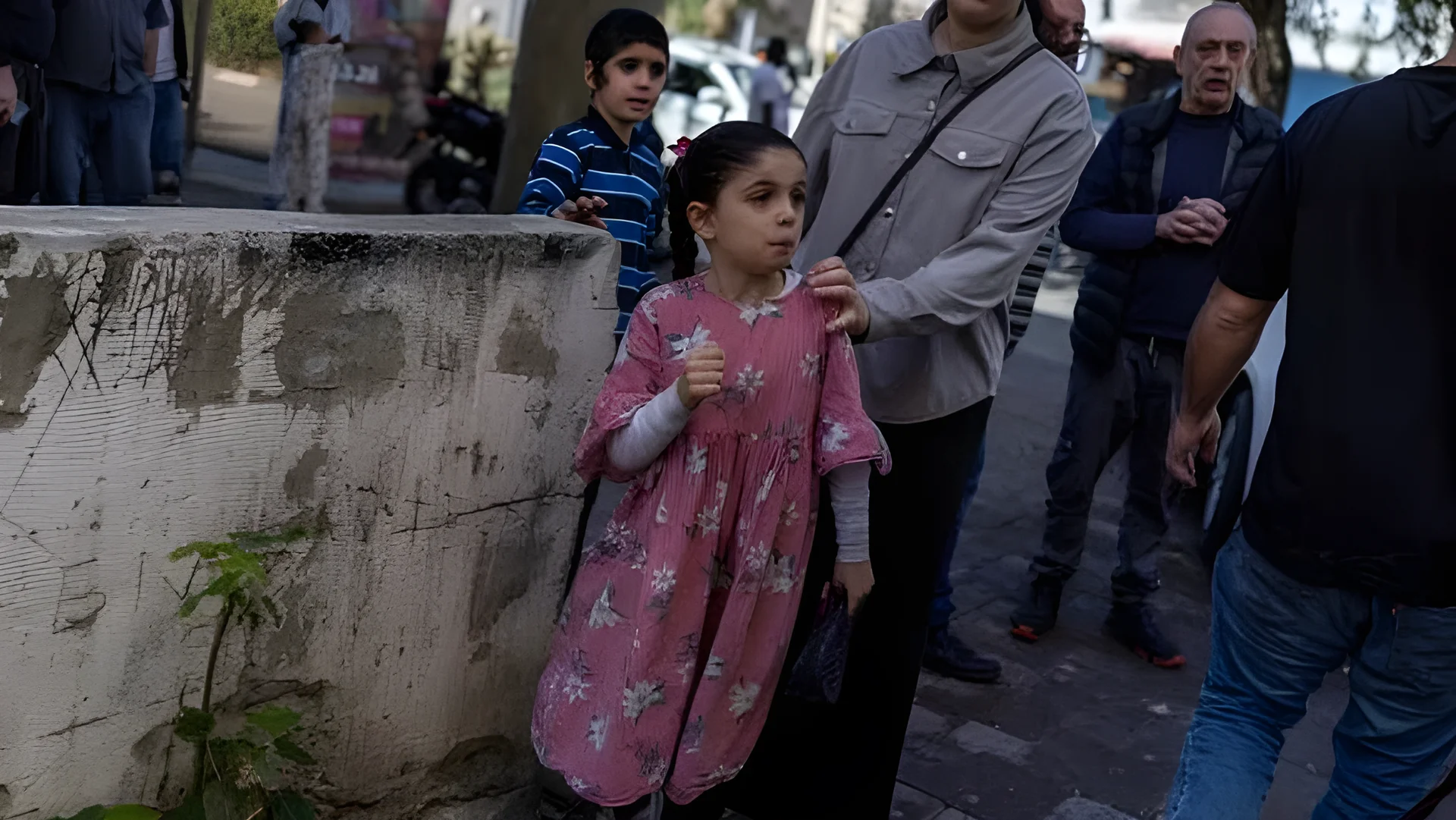
Turkey’s foreign minister, Hakan Fidan, has issued a stark warning that the ongoing conflict in the Middle East could lead to a permanent refugee crisis, with displaced people seeking shelter beyond the borders of their countries. The warning came as Lebanon reported that more than a million people have been displaced due to Israel’s military actions, marking a significant escalation in the humanitarian crisis.
Lebanon’s Humanitarian Crisis Deepens
Lebanon has been drawn into the Middle East war following a series of escalations that began on March 2, when Iran-backed Hezbollah launched attacks on Israel in response to the killing of Iranian supreme leader Ali Khamenei during US-Israeli strikes on Iran. According to Lebanese authorities, more than one million people have now registered as displaced, representing over a sixth of the country’s population. This number includes both internally displaced persons and those who have fled to neighboring countries.
The situation has grown increasingly dire as Israel’s military announced a limited ground operation against Hezbollah in southern Lebanon. The operation has raised concerns about the potential for further displacement and a worsening humanitarian situation. Canadian Foreign Minister Anita Anand, who was present at the joint news conference with Fidan, expressed deep concern about the deteriorating conditions in Lebanon and the risk of further escalation.
‘The humanitarian situation is deeply concerning in Lebanon and has the potential to worsen if there is a ground offensive there,’ Anand said, emphasizing the need for an immediate de-escalation of hostilities. The Canadian official also praised Turkey’s diplomatic efforts in trying to prevent the conflict from spreading further.
Regional Tensions and Diplomatic Efforts
Fidan warned that the conflict could lead to ‘permanent damage’ between countries in the region, particularly if the fighting spreads beyond Lebanon into Iraq. He highlighted that the situation is already becoming more complex in Iraq, where tensions with Iran and other regional powers are rising. Turkey, which has been actively engaged in diplomatic efforts to contain the crisis, plans to travel to several countries in the region later this week to continue its outreach.
‘We have been working very hard diplomatically since the outbreak of the war to prevent these crises from escalating,’ Fidan said, emphasizing the importance of regional cooperation to find a solution. His remarks underscore the growing concern among regional powers about the potential for long-term consequences if the conflict is not contained.
Canada, for its part, has condemned Iran’s retaliatory strikes on regional nations, calling them ‘reprehensible.’ Anand reiterated Canada’s resolute opposition to such actions, stating, ‘Those retaliatory strikes must stop, whether they are in Doha or even against this very country.’ The Canadian official’s comments reflect the broader international pressure on Iran to cease its involvement in the conflict.
What Analysts Say About the Crisis
Analysts have warned that the ongoing conflict could have lasting implications for the Middle East, particularly in terms of displacement and regional stability. According to a recent report by the United Nations, the number of displaced people in the region has already reached over 2.5 million, with projections indicating that this number could rise significantly if the war continues to expand.
‘This is not just a temporary crisis; it’s a situation that could become permanent if the fighting continues unchecked,’ said a senior analyst at the International Crisis Group. The analyst added that the humanitarian impact could be felt for decades, with entire communities forced to relocate and regional economies suffering from the loss of labor and resources.
The situation has also raised concerns about the potential for a broader regional conflict, with some experts warning that the involvement of other powers could lead to a full-scale war. ‘The risk of a wider conflict is real, and the consequences could be devastating,’ said a Middle East analyst at the Carnegie Endowment for International Peace.
As the conflict continues to unfold, the international community is closely watching the situation, with many calling for immediate diplomatic intervention to prevent further escalation. The United Nations has called for a ceasefire and urged all parties to engage in peace talks to resolve the crisis.
Fidan emphasized that Turkey remains committed to playing a role in de-escalating the situation. ‘We are not just observers; we are actively involved in trying to find a solution,’ he said, adding that his upcoming diplomatic visits will focus on building consensus among regional actors.
The stakes are high, with the potential for a long-term refugee crisis that could affect millions of people across the region. As the conflict continues, the international community faces the challenge of finding a peaceful resolution before the situation becomes irreversible.






Comments
No comments yet
Be the first to share your thoughts