

 Al Jazeera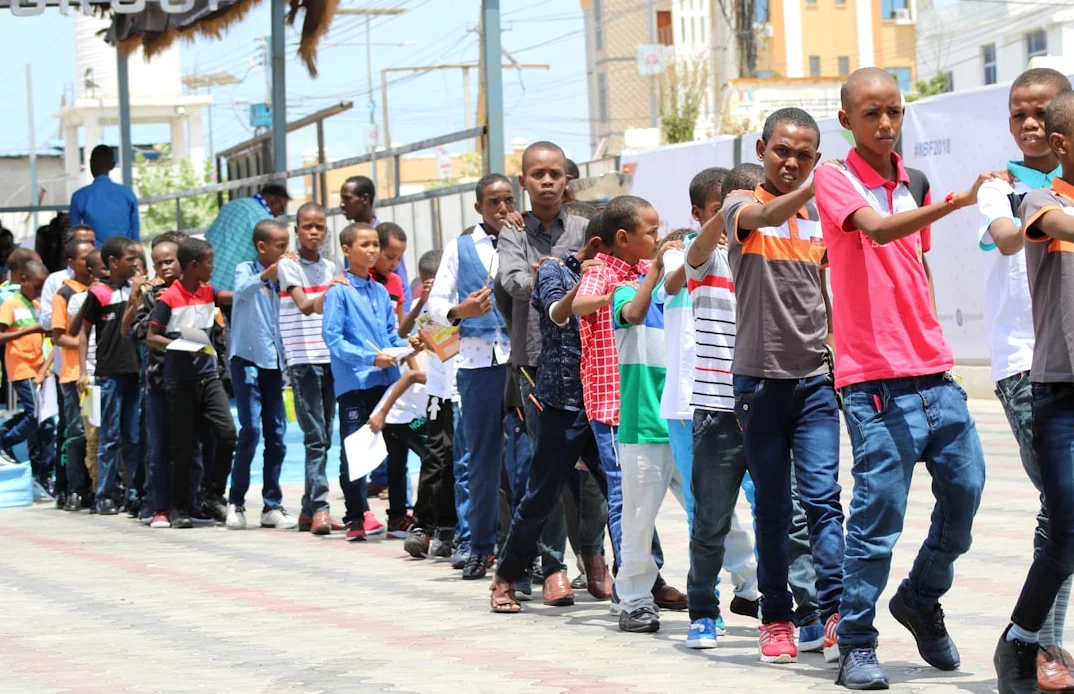
Mustafa, a 33-year-old bajaj driver in Mogadishu, dreads election time in Somalia — he says tensions rise when polls are near, and drivers like him are often the first to feel it. On Wednesday. He was passing through the Hawl Wadaag district when heavy gunfire between government and opposition forces erupted all around him.
Violence Shatters Improving Security in Mogadishu
“I couldn’t even think. Everyone was shouting and running for their lives, and we all fled from the bullets,” he told Al Jazeera. “We haven’t seen fighting this bad in years.” The shooting began around the homes of former Prime Minister Hassan Ali Khaire and former President Sheikh Sharif Sheikh Ahmed. These opposition leaders were planning protests against what they describe as an illegal term extension by President Hassan Sheikh Mohamud.
The government said the planned protests would undermine security in a city still grappling with persistent armed violence; Hundreds of families fled neighbourhoods near the fighting, and by the next day, many of the capital’s central areas had emptied. The sudden eruption of violence ended a period of improving security in Mogadishu, shattering the perception that the city had begun turning a corner.
Protests and Economic Impact
“The most frustrating thing is that we have nothing to do with it, and it impacts so many of us,” Mustafa said. “We make our living in this city.” Security forces sealed Maka al-Mukarama Road, one of Mogadishu’s main arteries, while Bakara market, the largest commercial hub in the city, was effectively closed for business.
“Look, it’s midday, and there’s almost no one here, shops are closed, and usually by this time the place is jammed,” Ahmed, a street vendor at Bakara market, told Al Jazeera, gesturing at shuttered stalls. Ali Wardheere. The deputy central bank governor. Estimated the direct cost to businesses and services at $3.8m, though he stressed the figure was a model-based projection, not an official or final tally.
Political Instability and Constitutional Disputes
Like most Somalis, Mustafa has never voted for a president or a member of parliament. The country has not held a direct election for national leadership since the late 1960s. Since the state was re-established in 2012 after its 1991 collapse, leaders have been selected through an indirect system negotiated by clan elders and political elites. As presidential terms near their end, low trust among political actors often leads to intense competition over power — and at times violence, as disputes over the electoral timetable come to a head.
At a press conference in late May, Sharif warned that the political deadlock could turn violent if negotiations failed. “Where do things stand? [We say] Leave, and [you say] I won’t leave. What comes next? Bullets.” The warning echoed events in 2021, when then-President Mohamed Abdullahi Farmaajo remained in office more than a year beyond the end of his term, triggering clashes in Mogadishu before a political agreement was reached.


Comments
No comments yet
Be the first to share your thoughts